How to Pop Up on a Surfboard: a Step-by-Step Guide
The pop-up, also called the take-off, is the moment you go from lying down to standing up and riding the wave. It is the instant that decides the whole ride: get it wrong and you end up in the water, get it right and you glide. The good news is that it can be broken down, drilled and learned, even on dry land.
What is a pop-up (take-off) in surfing?
The pop-up is the transition from lying on the board to standing on it, ready to surf. Surfers say pop-up and take-off interchangeably, in the line-up as much as in surf school. In practice it strings three things together in a couple of seconds: you build speed by paddling, you go at the right moment as the wave picks the board up, then you push straight up in one smooth move and land your feet. Some surfers do it in a single motion, beginners break it into stages, but it is this one skill that separates the beginner still lying down from the surfer riding waves.
Why the pop-up is easier on a foam surfboard
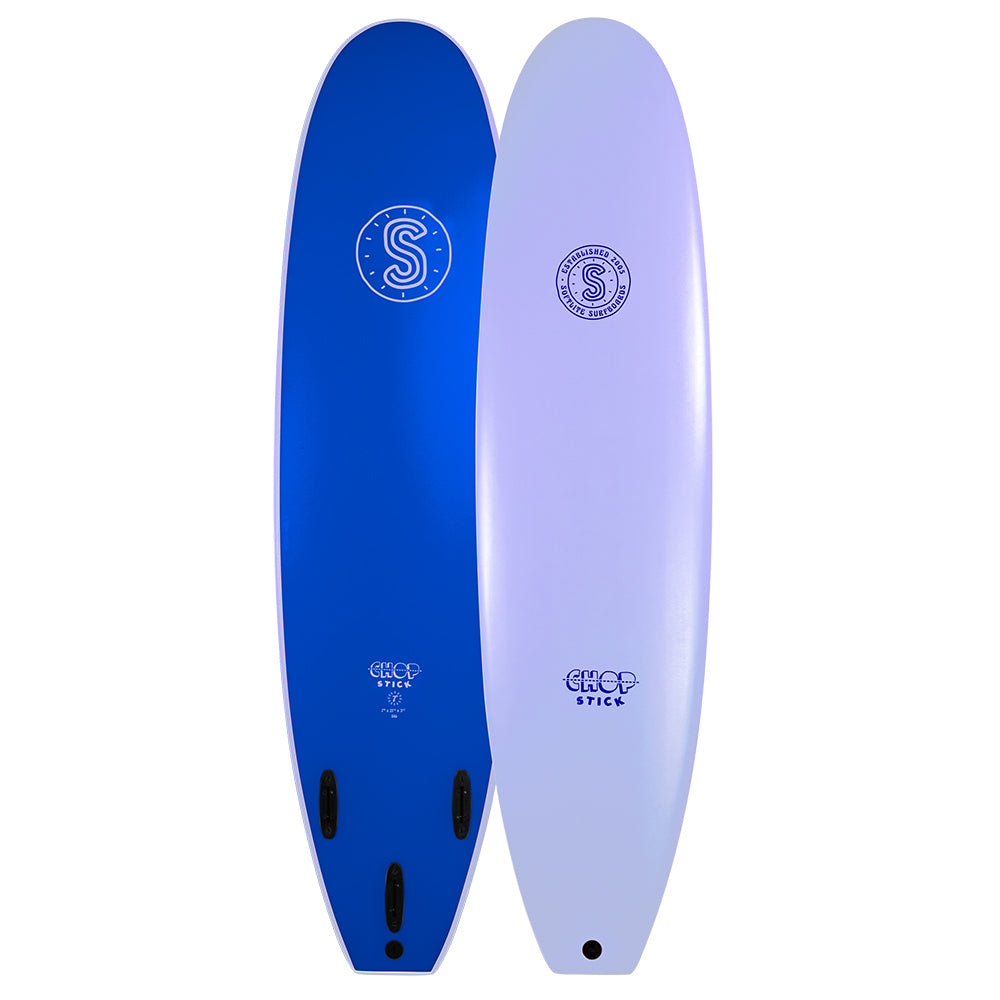
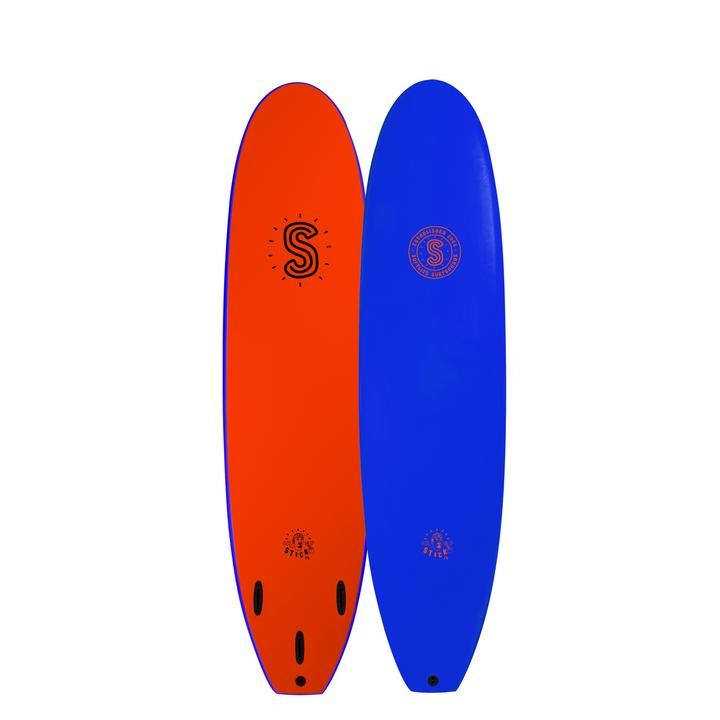
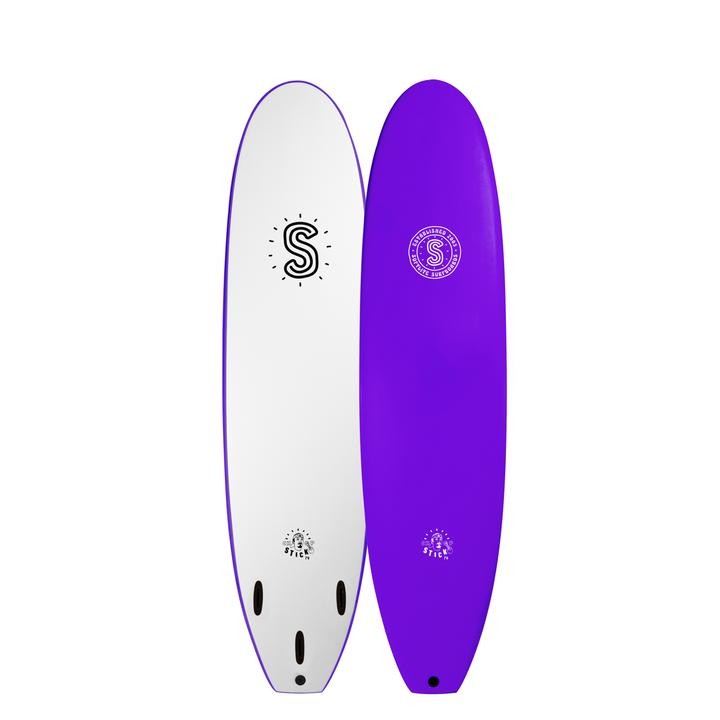
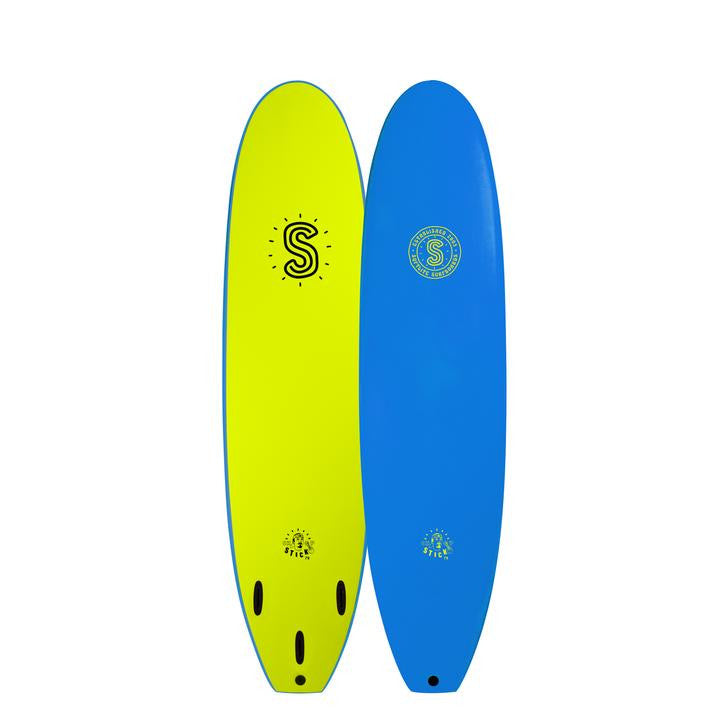
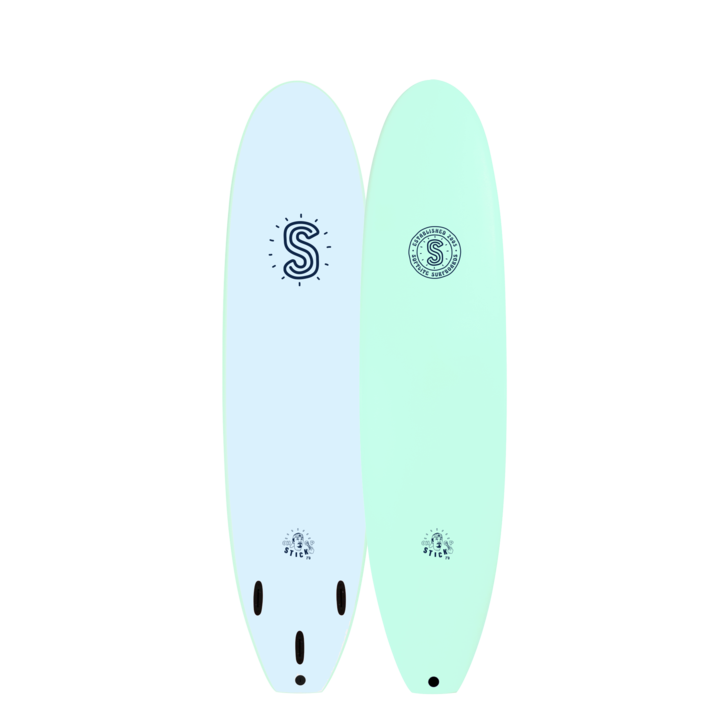
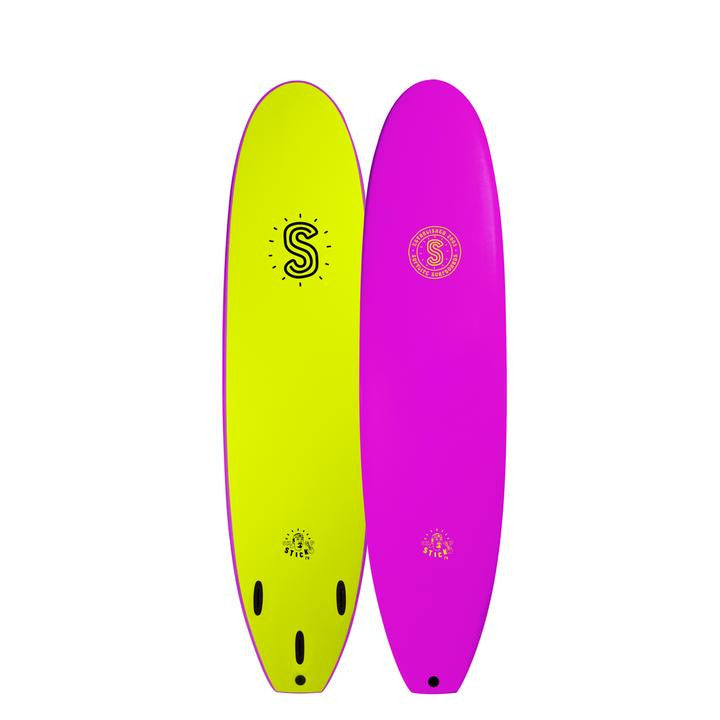
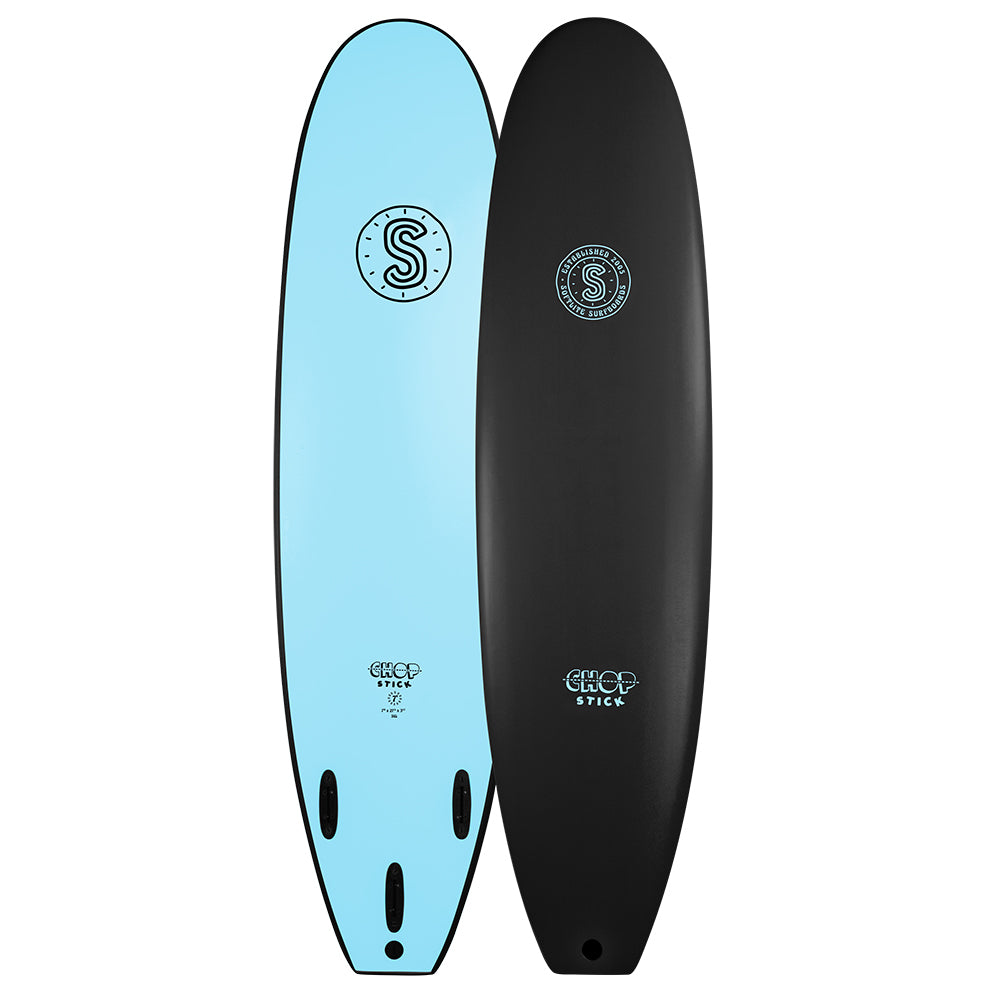
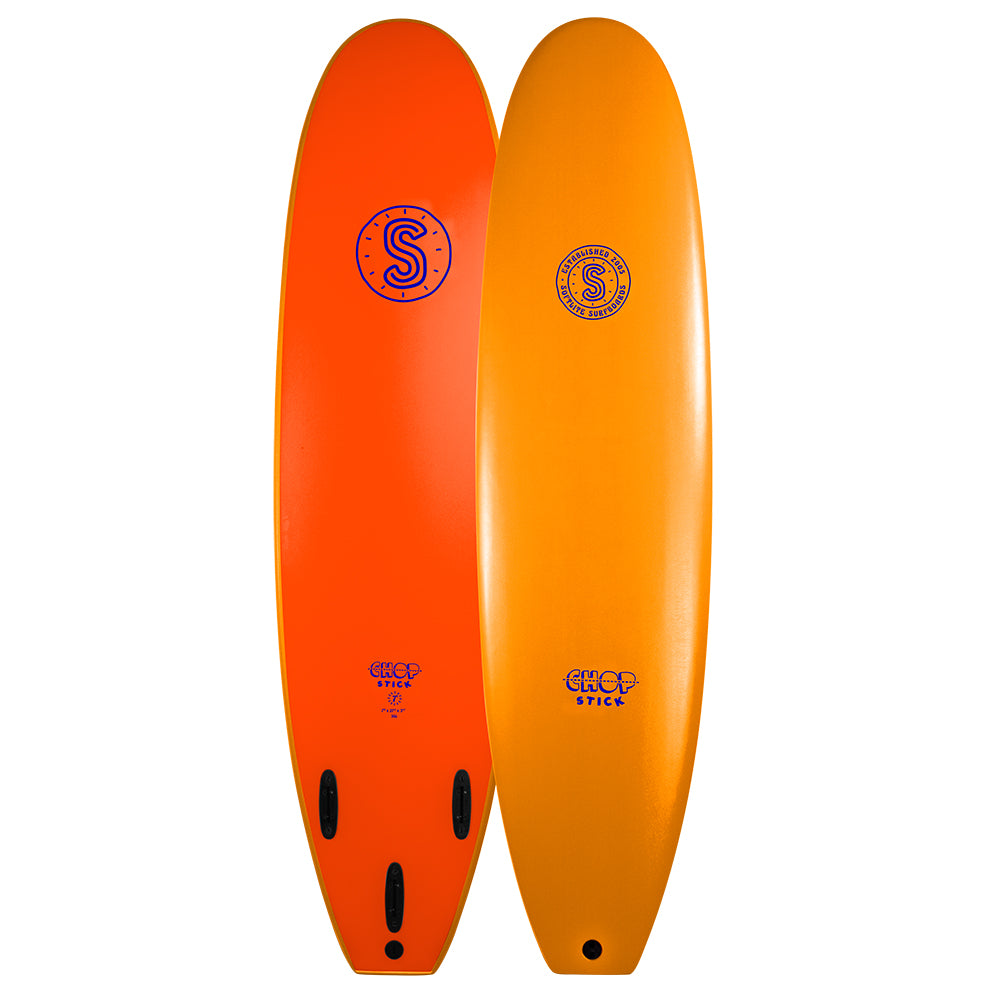
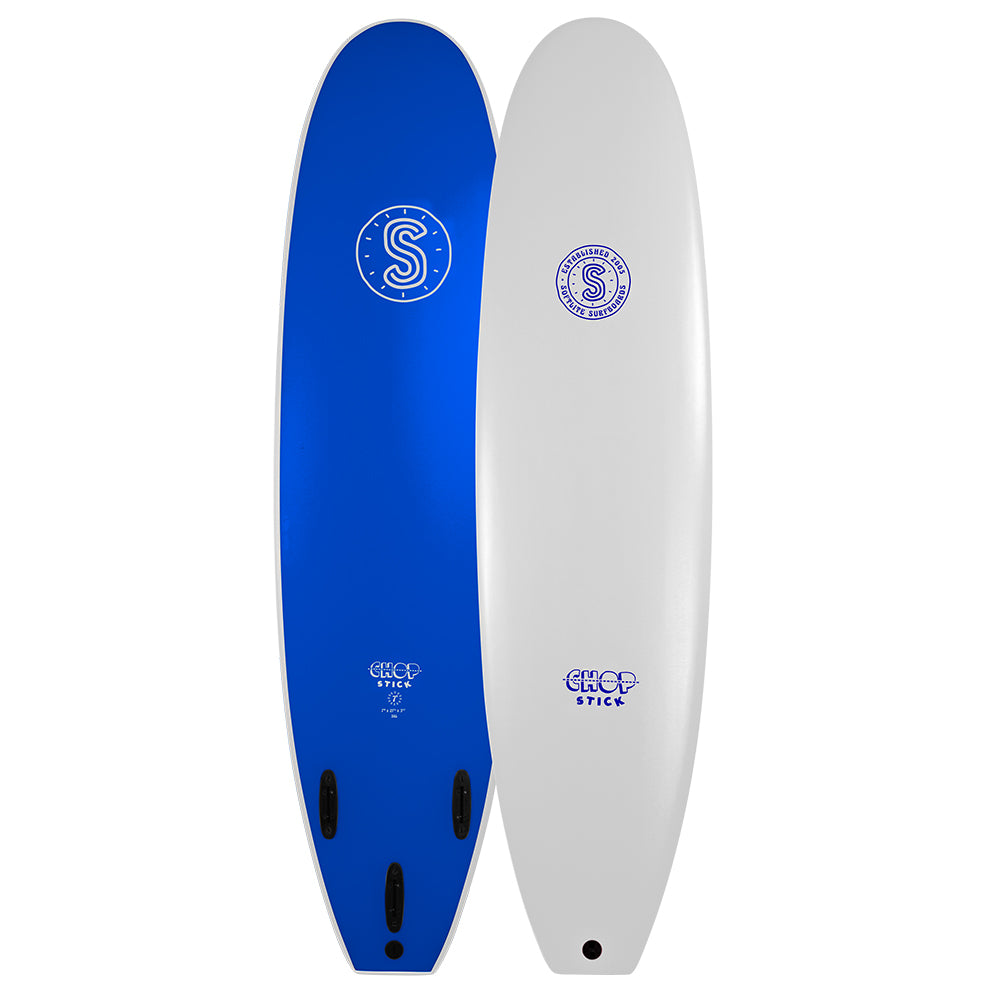
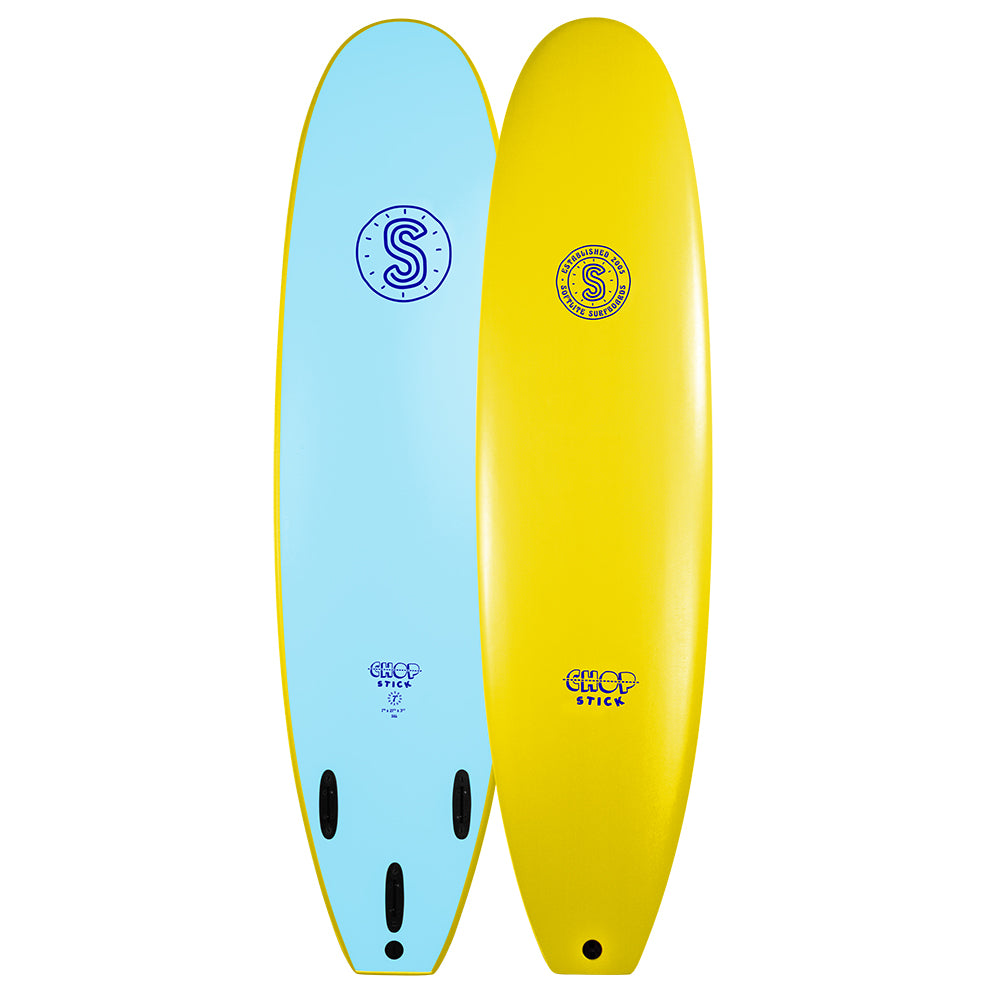
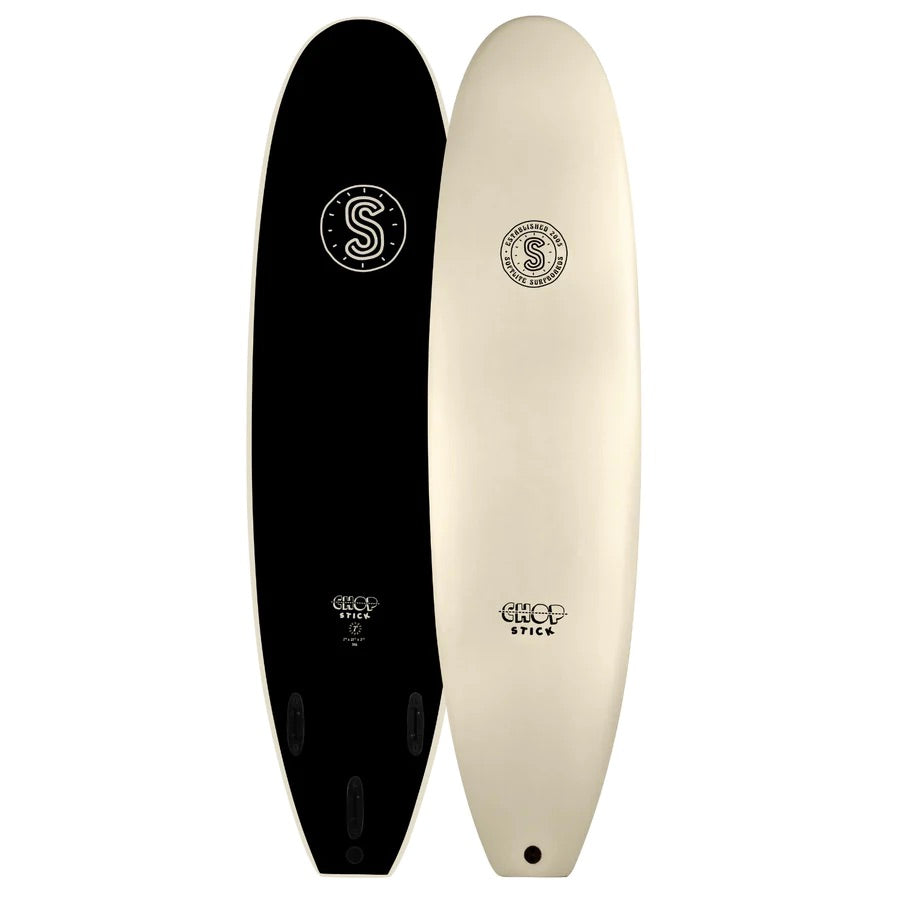
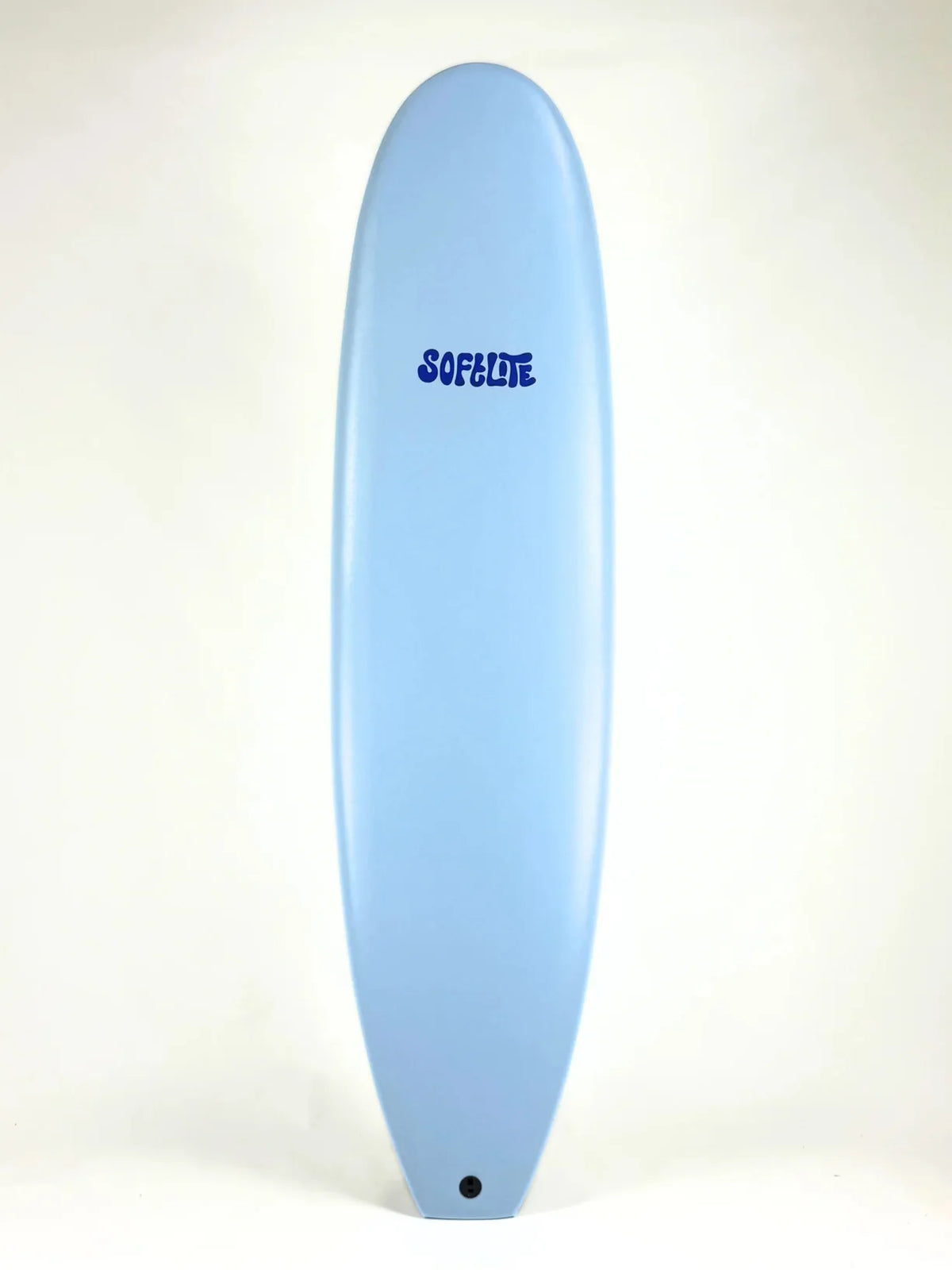
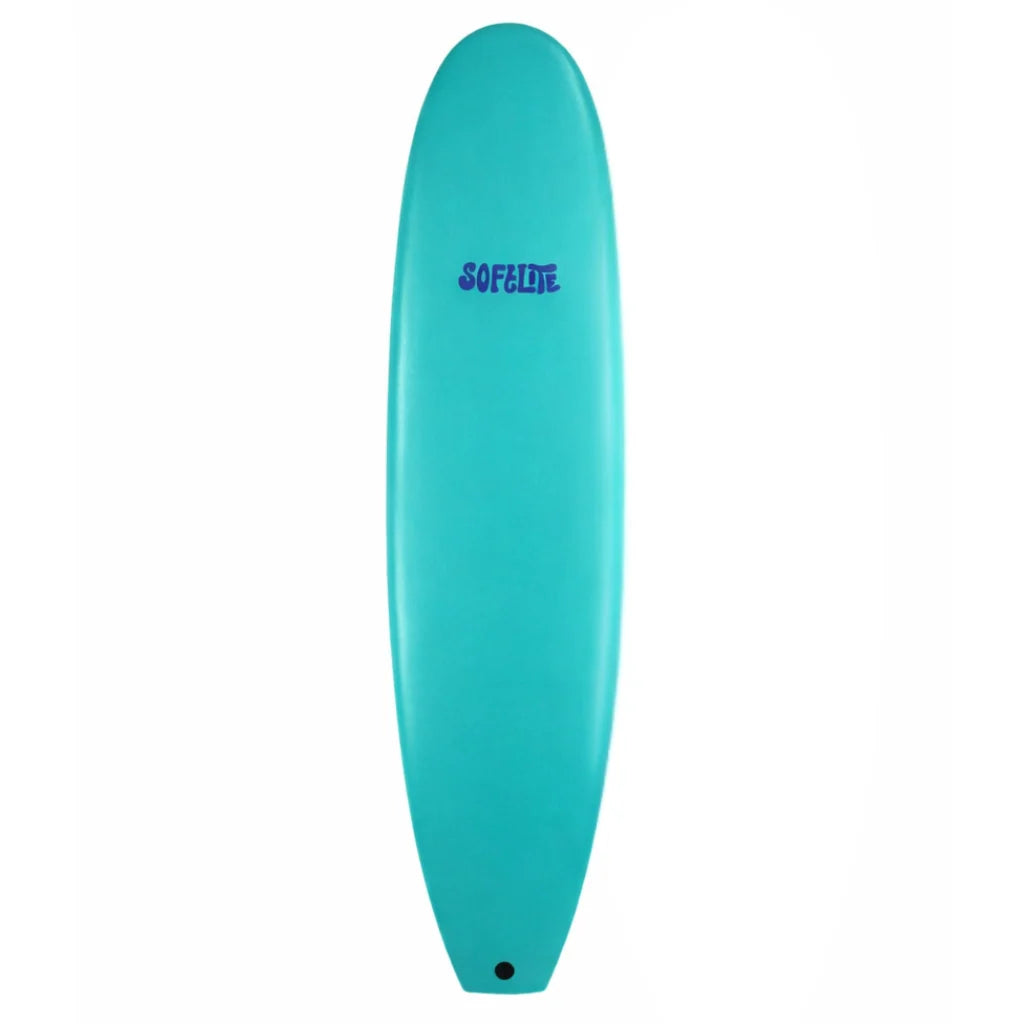
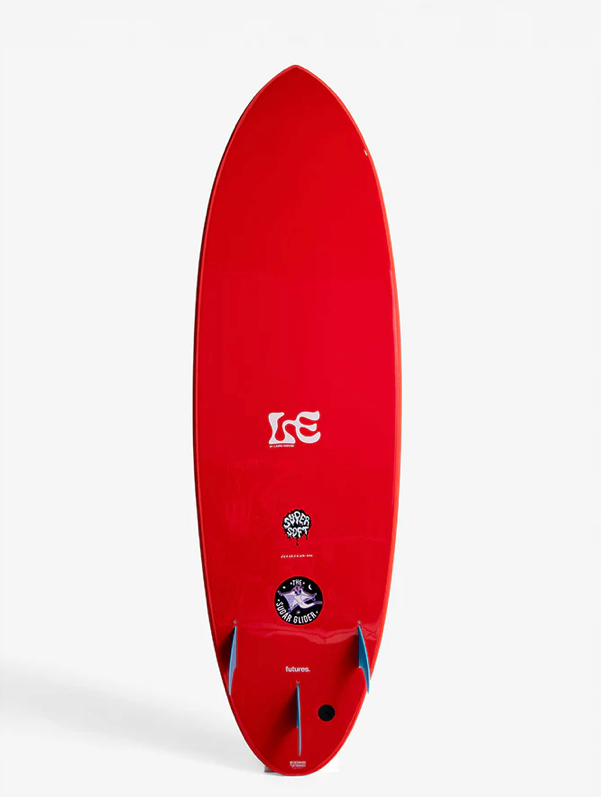
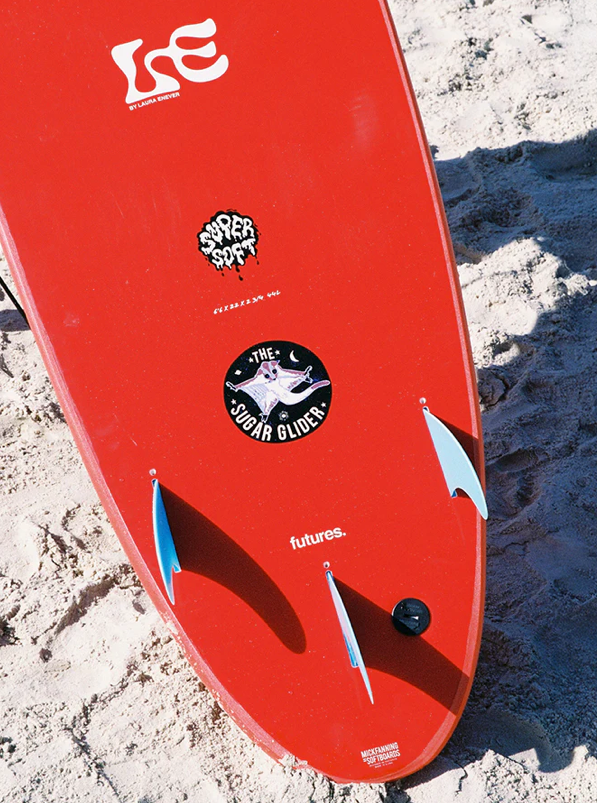
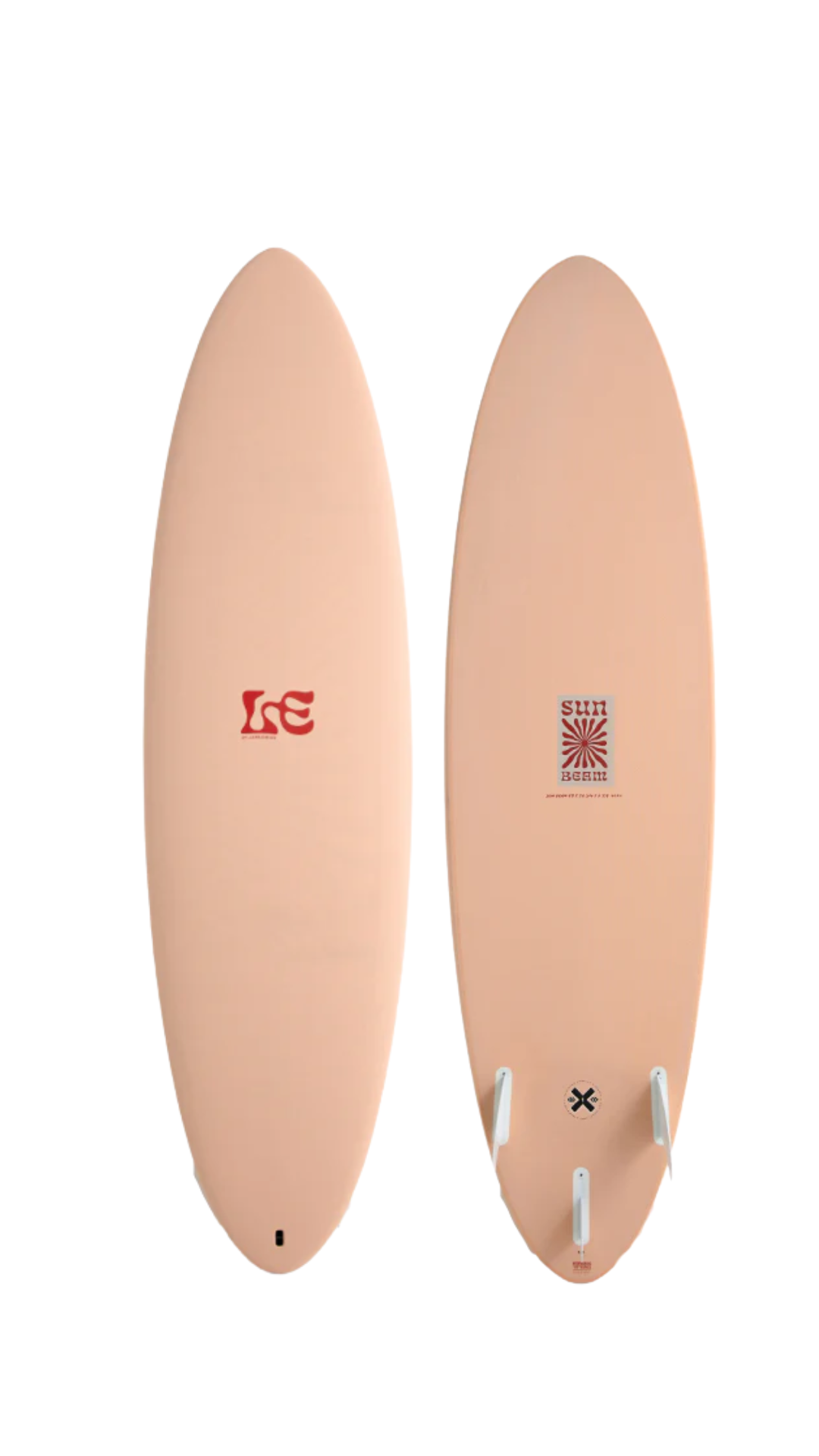
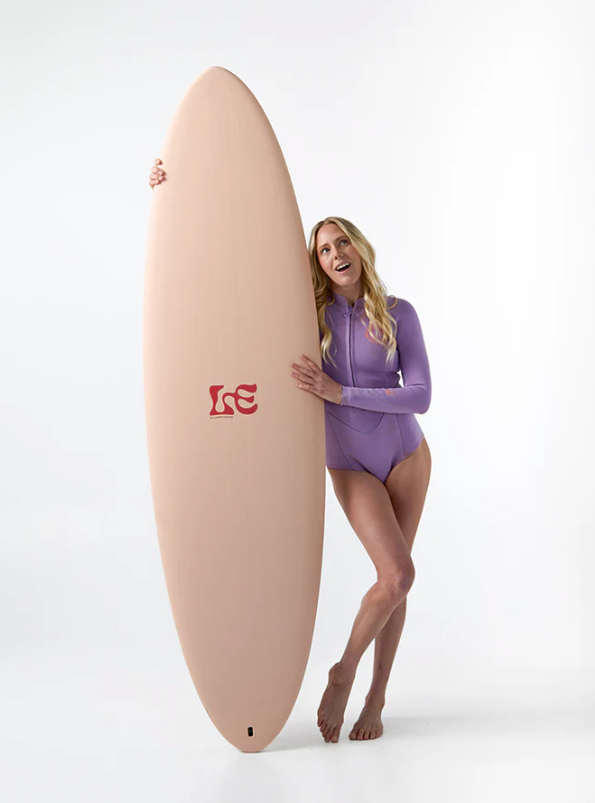
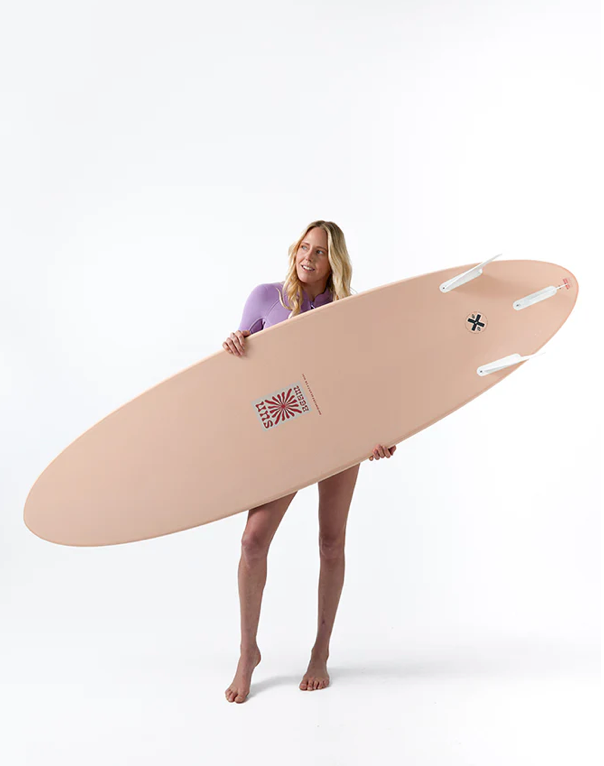
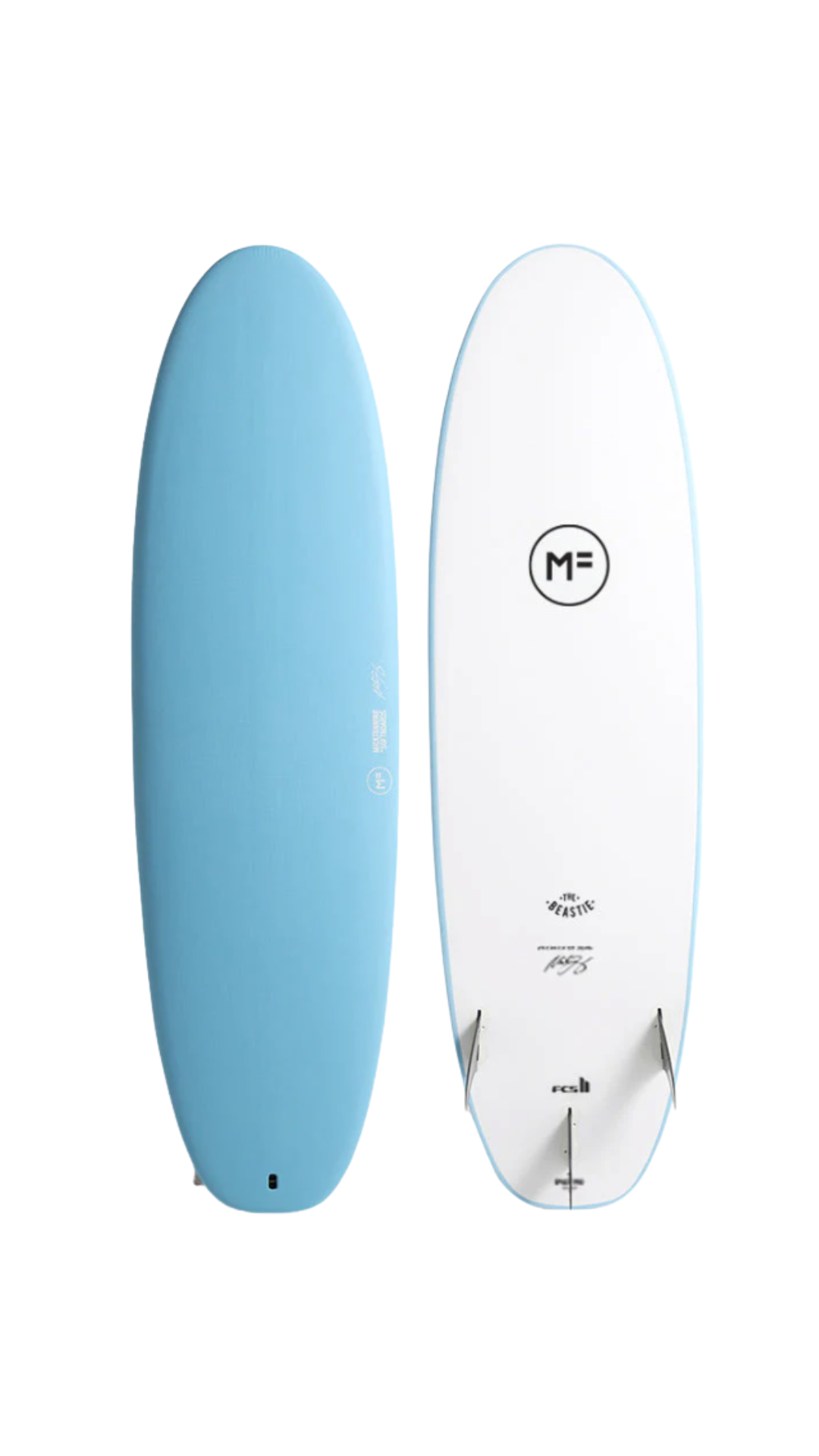
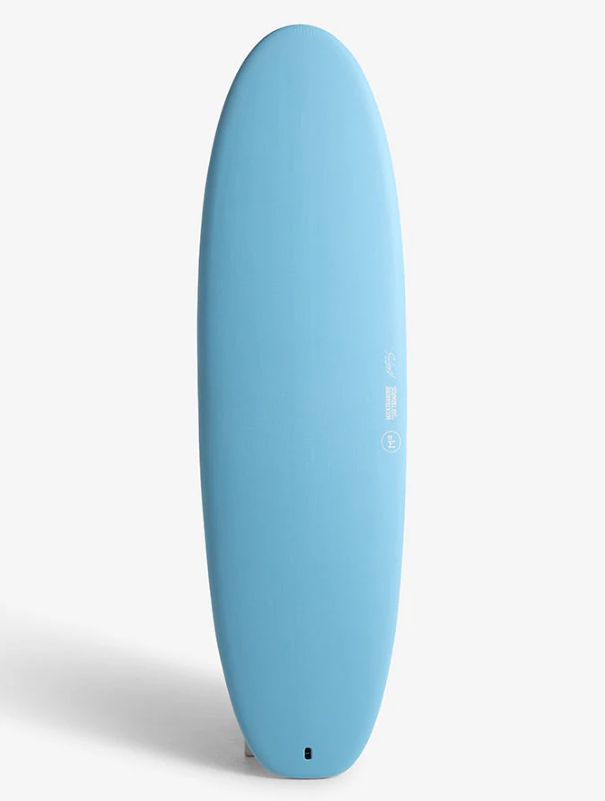
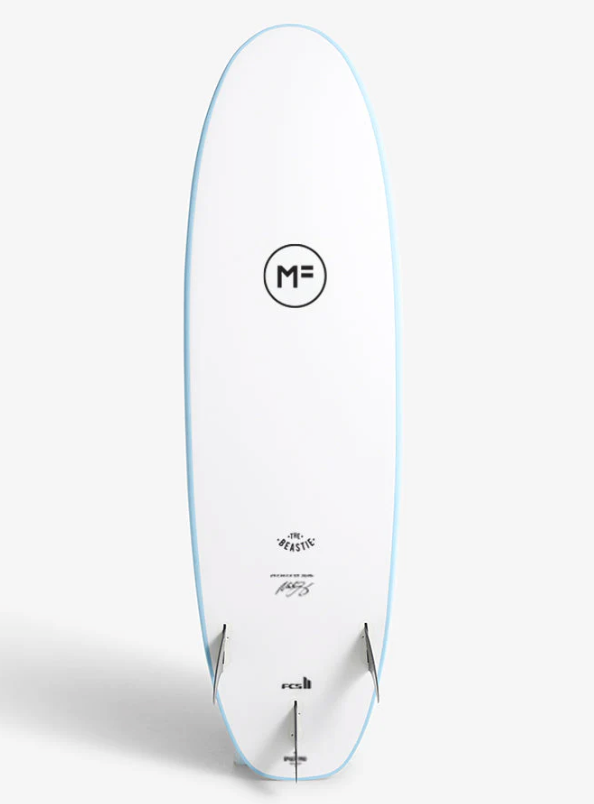
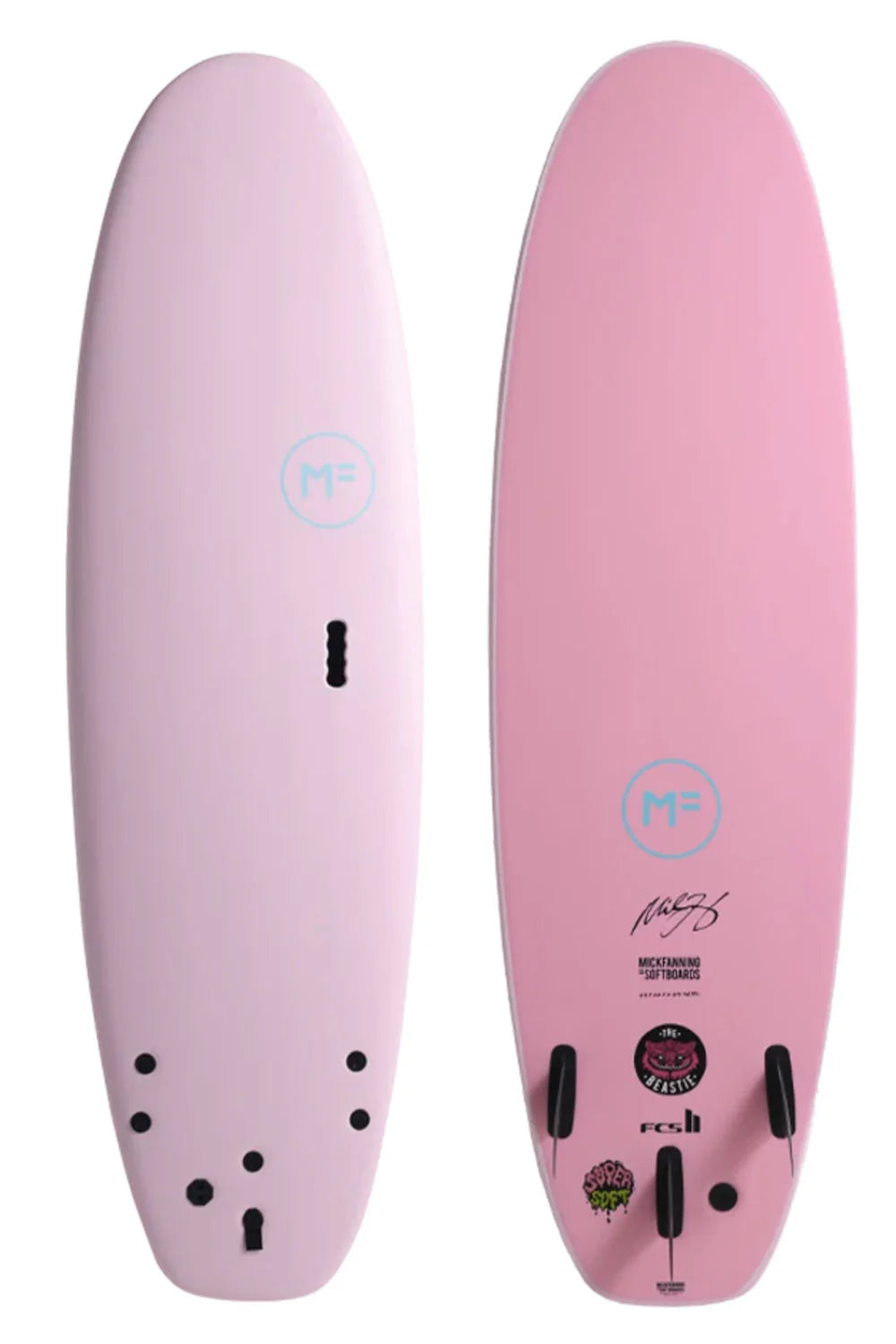
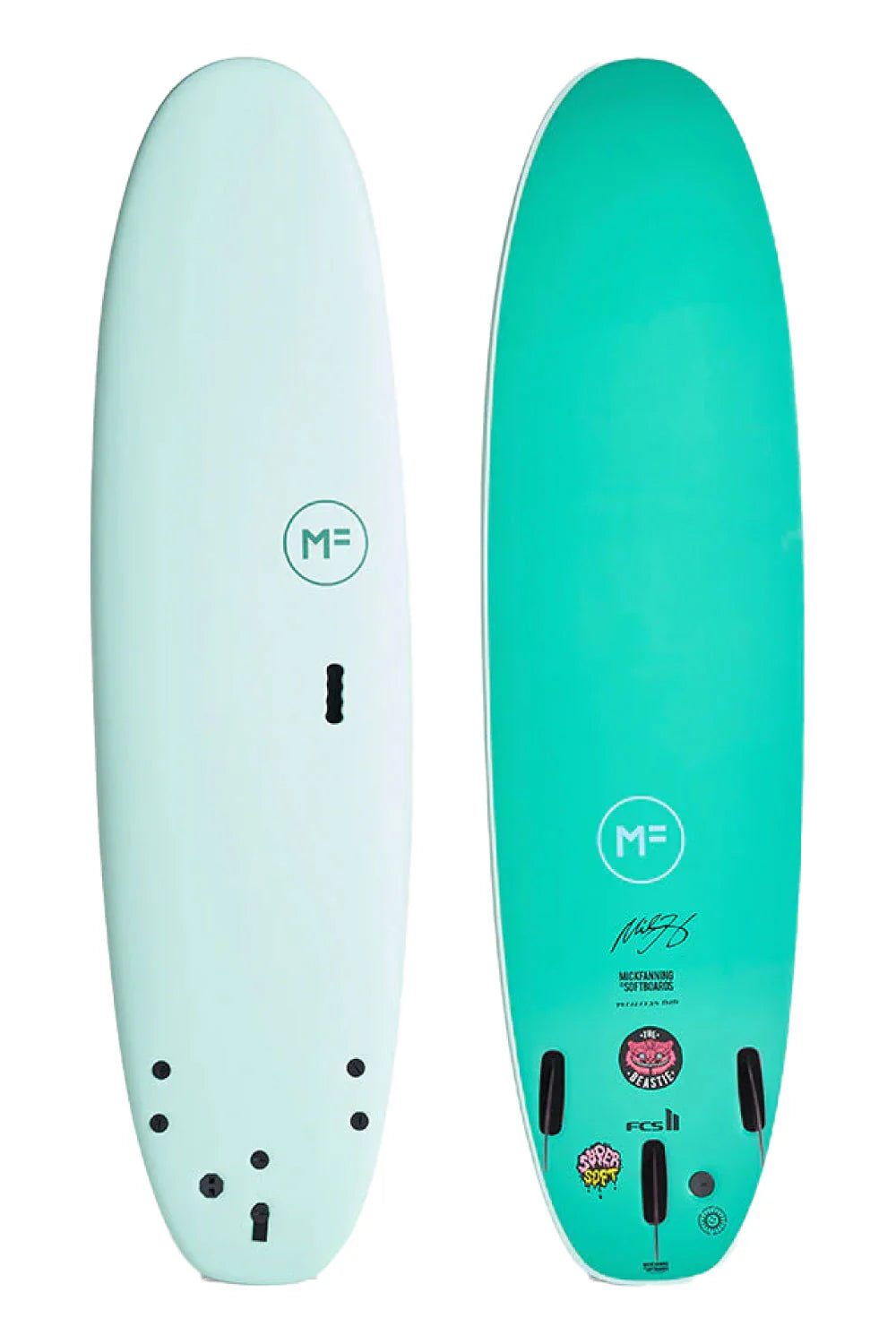
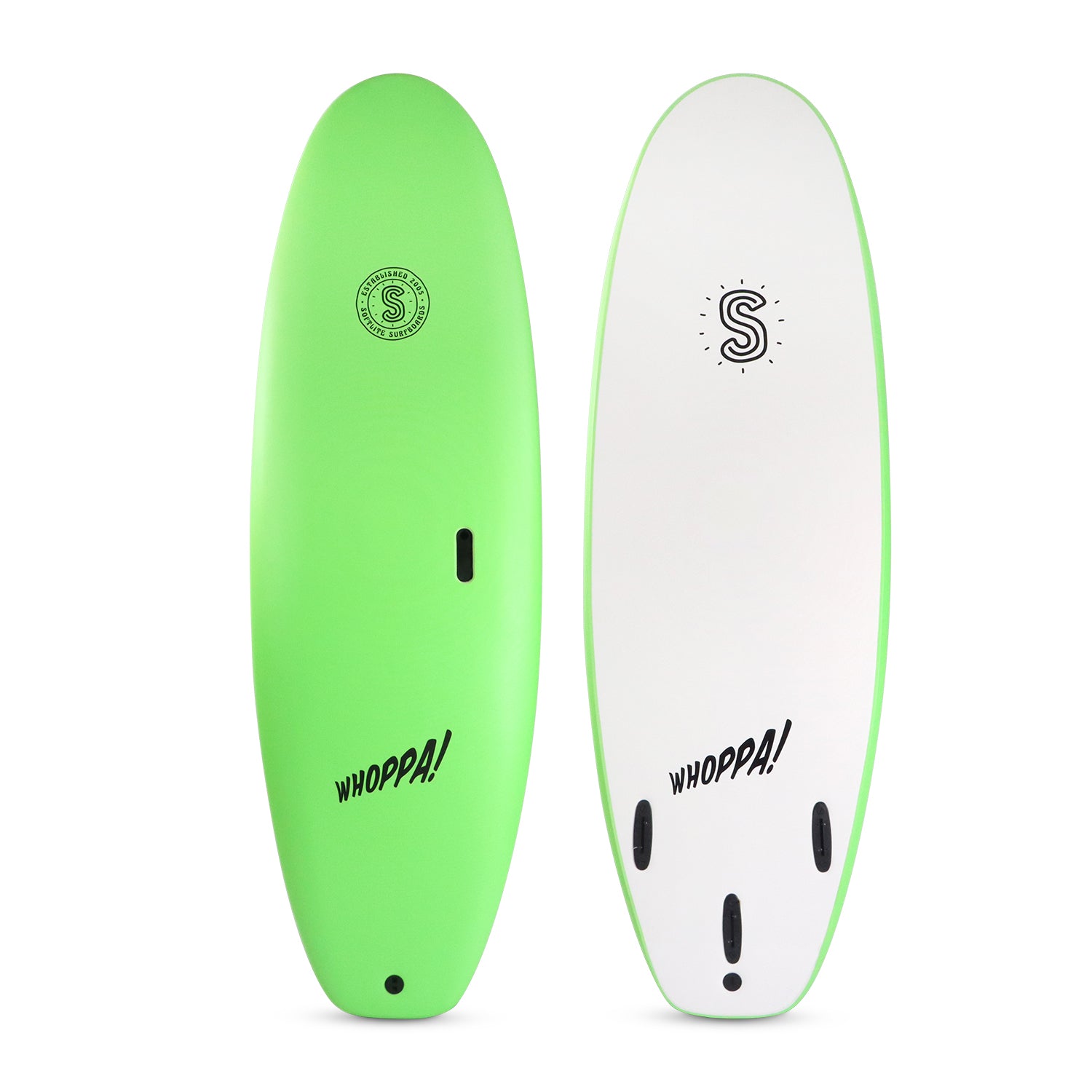
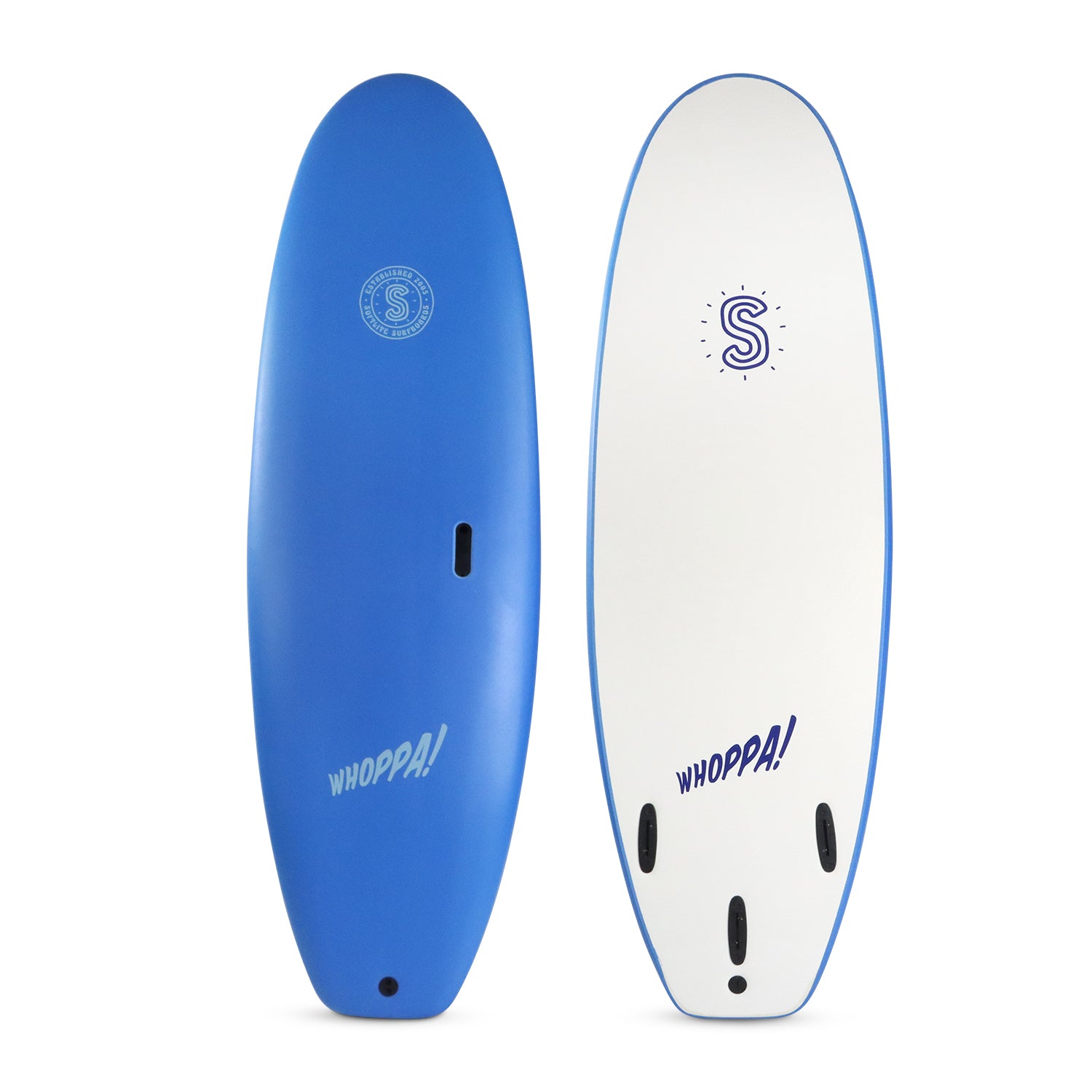
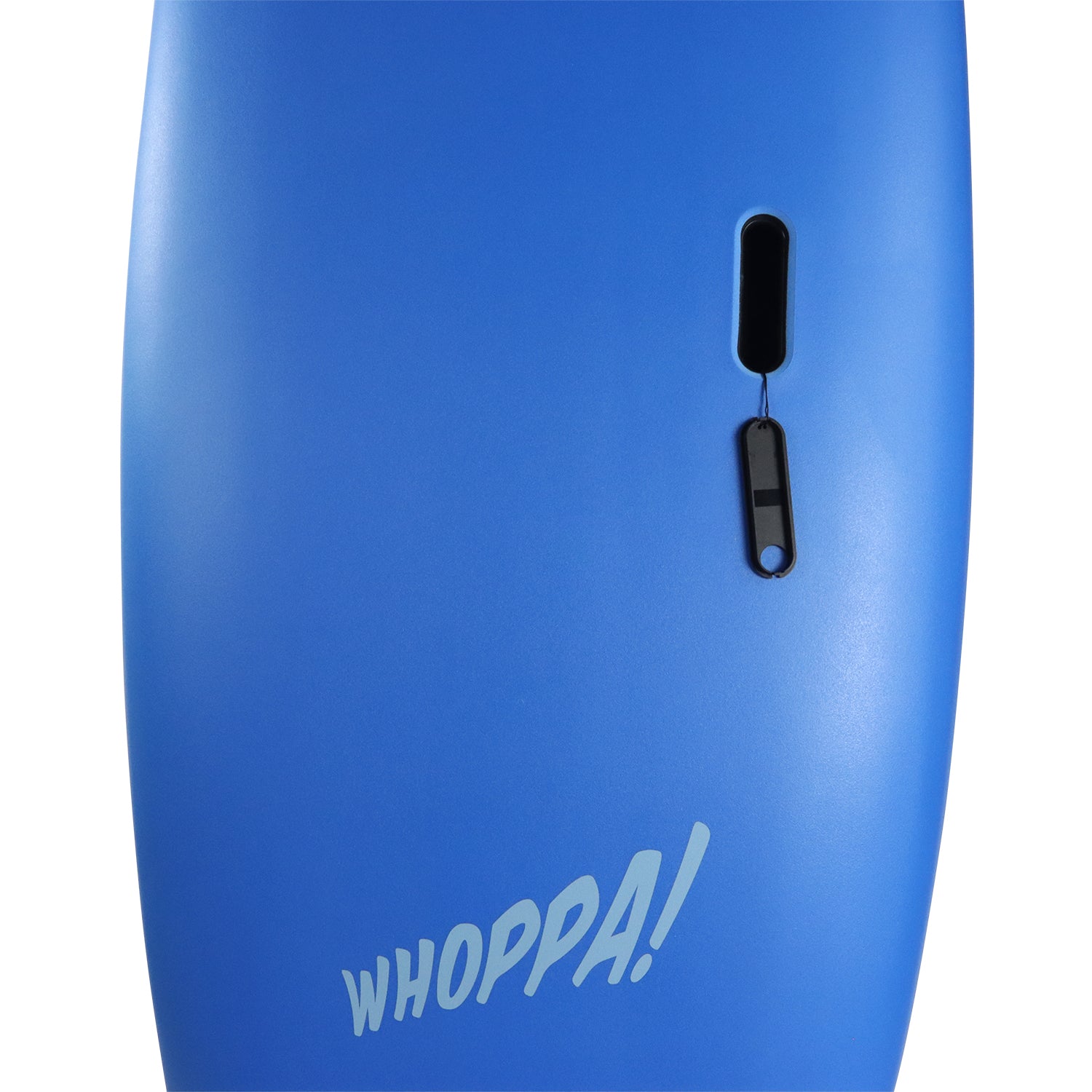
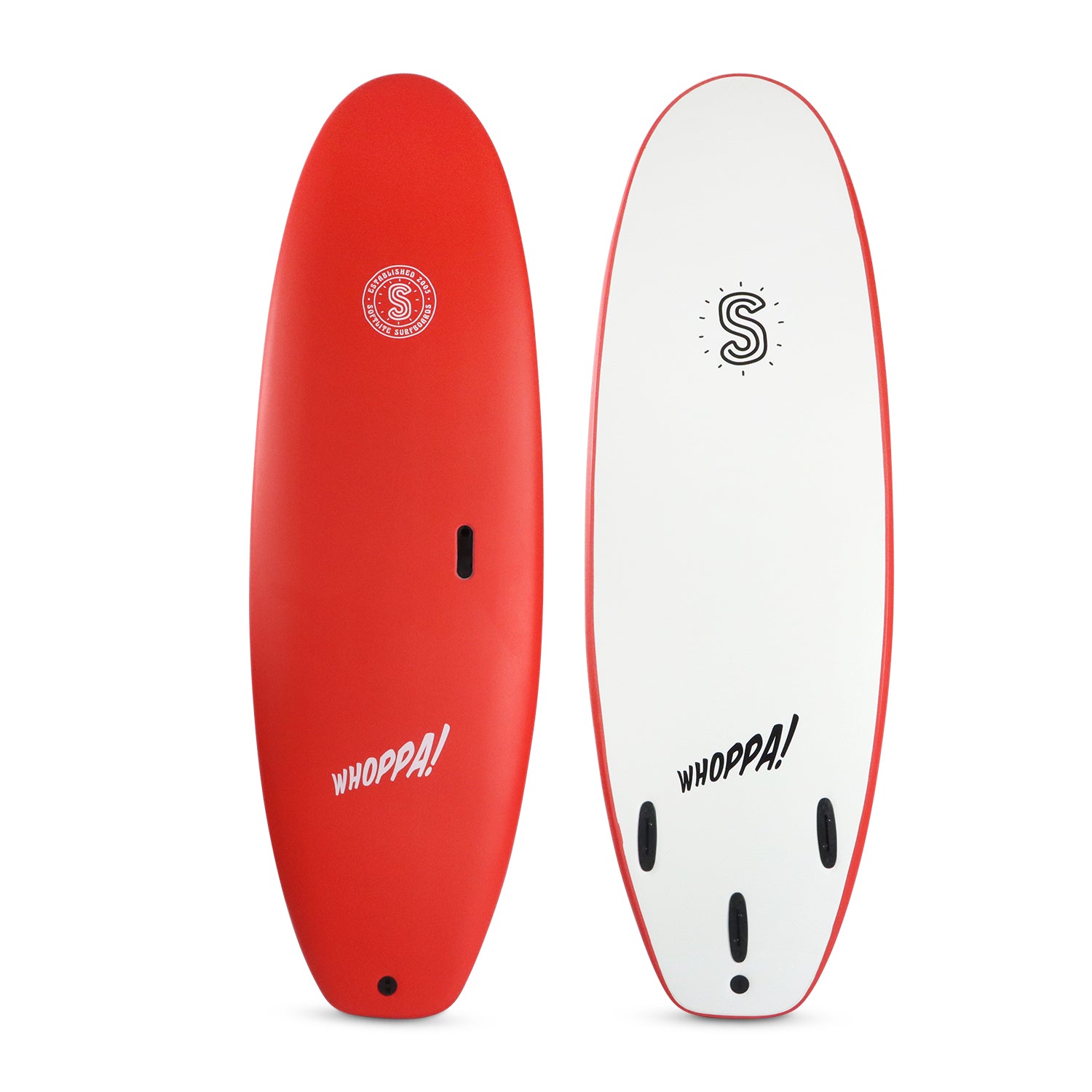
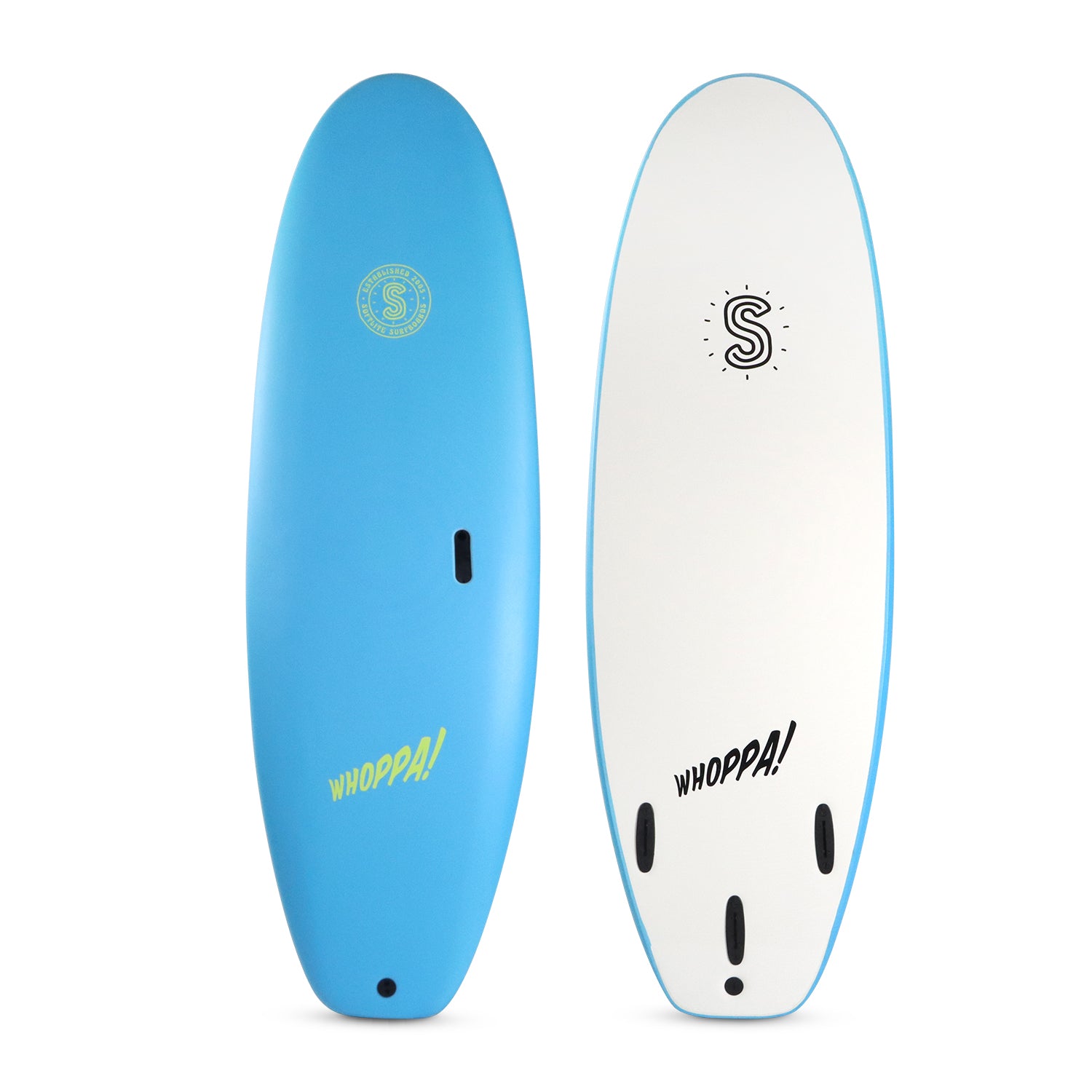
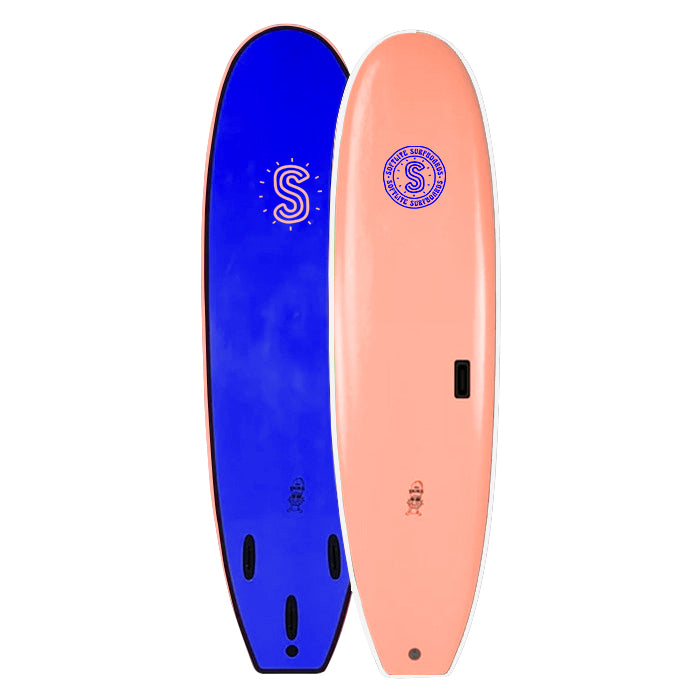
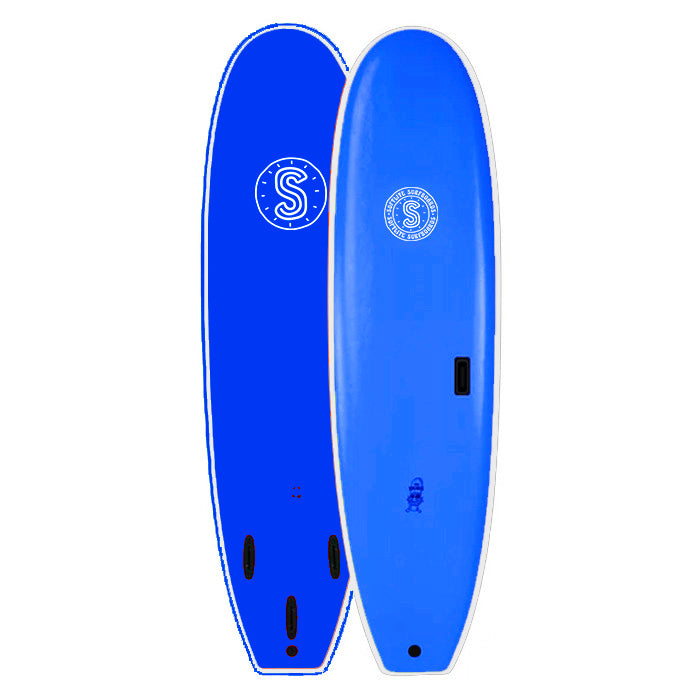
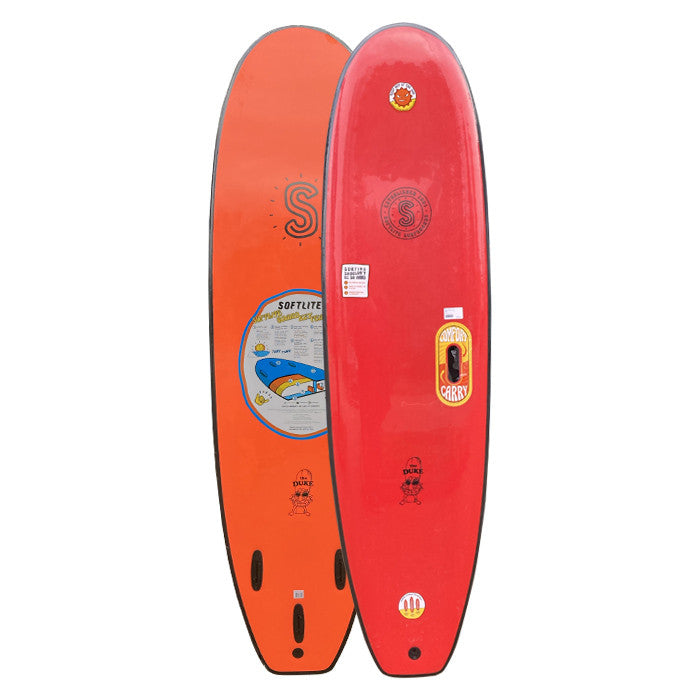
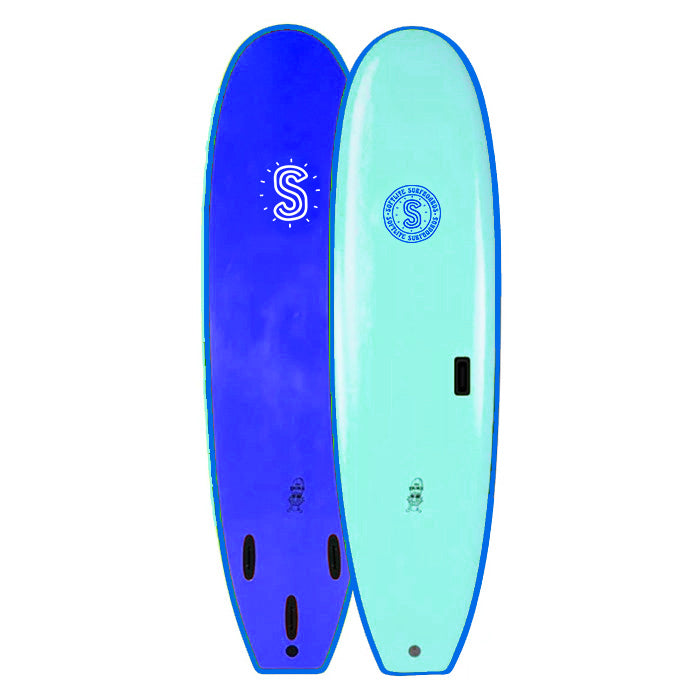
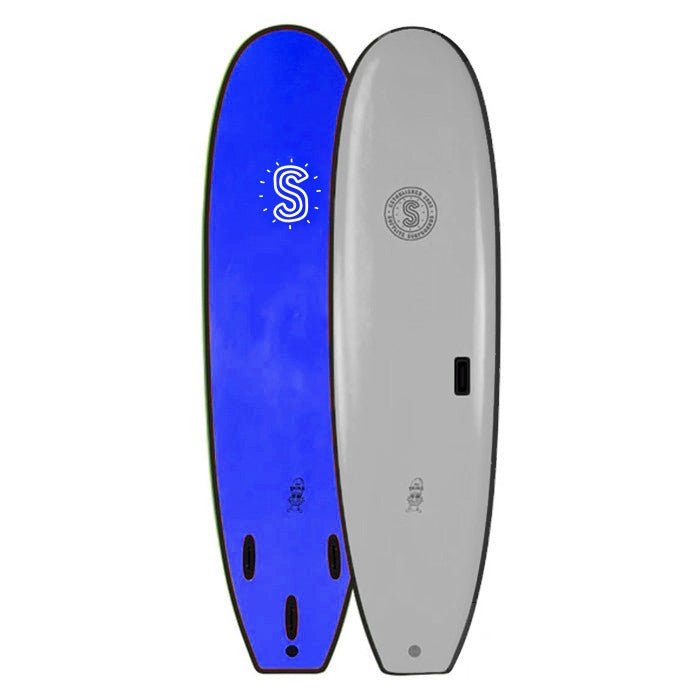
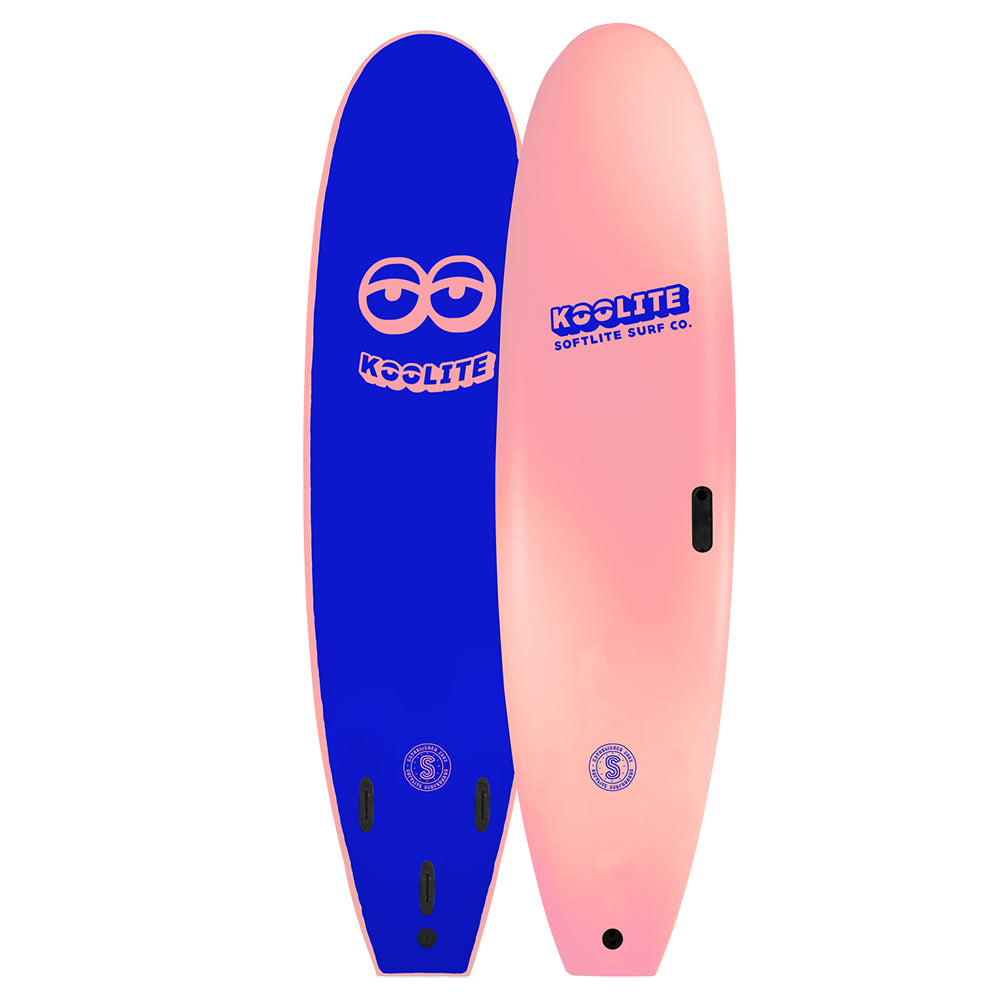
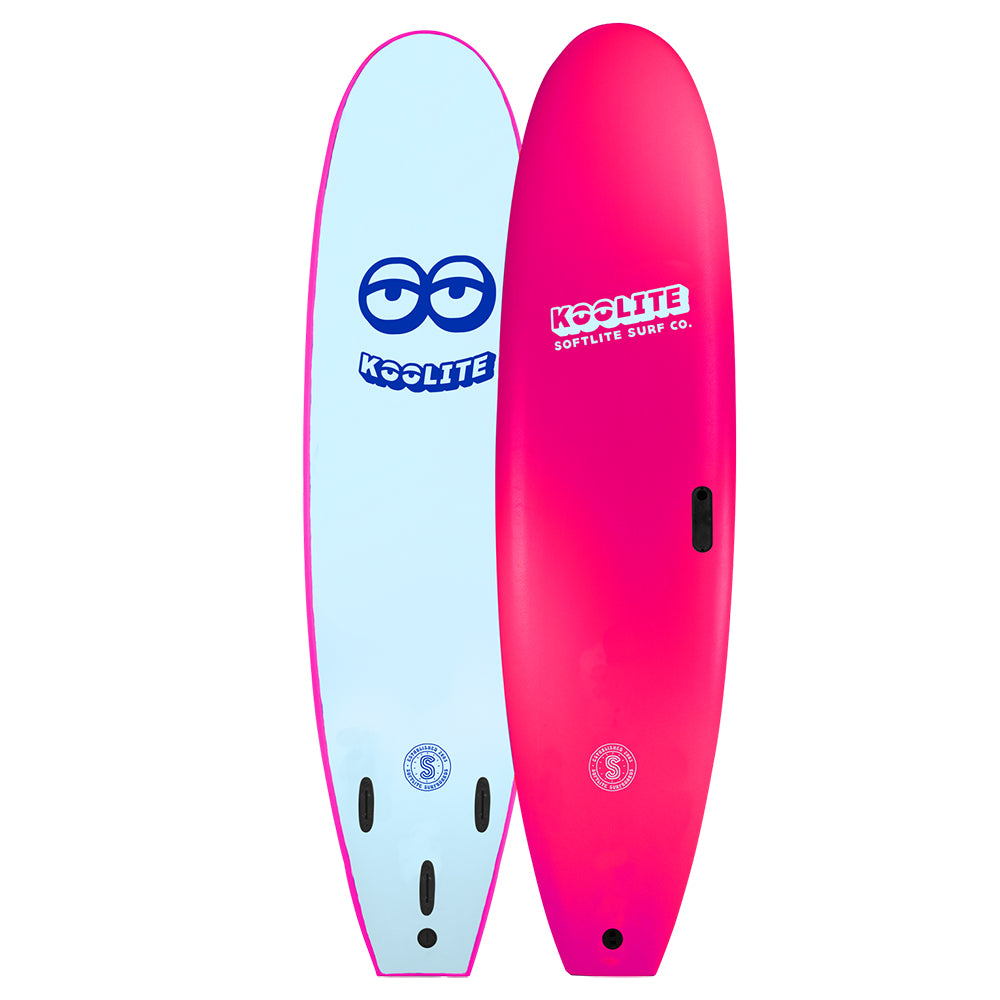
If you are just starting out, the board changes everything. A foam surfboard is wide, thick and very buoyant: it floats a lot, it is stable and it paddles fast. You catch the wave earlier, you get more time to stand up, and the board stays under you instead of sliding out sideways. A soft-top is what makes the pop-up achievable, because the volume forgives sloppy hand placement and a slightly late take-off, where a short board punishes every mistake. Once the movement is automatic you can move on to something more technical. To find the volume that matches your weight, read our guide to choosing a foam surfboard.
How to pop up on a surfboard in 3 steps
Here is the reference method, the one that works for the vast majority of beginners. It breaks down into three steps that you will run through slowly at first, then faster and faster until they become a single movement.
Step 1: paddle and pick the right moment
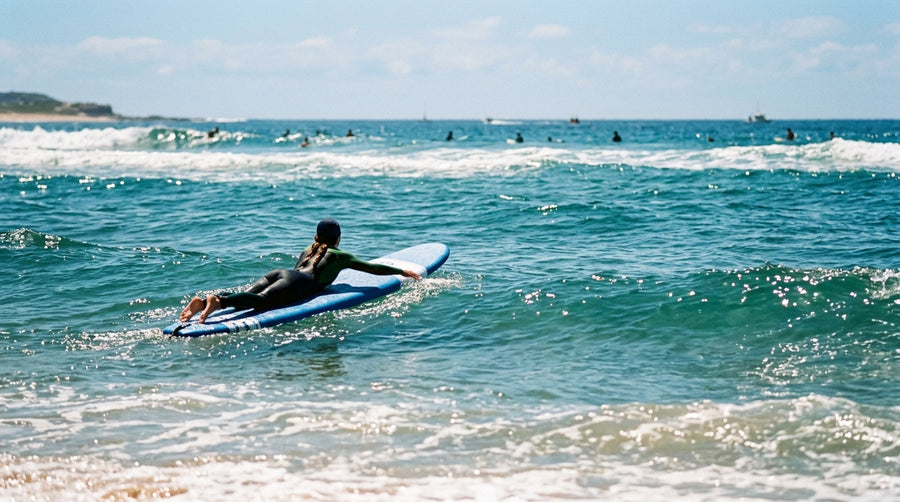
It all starts with speed. Lie down centred on the board, not too far forward or the nose digs in, not too far back or the board stalls. Spot the wave coming and point yourself at the beach. As soon as you feel the whitewater lift the tail, take three or four strong paddle strokes to match the speed of the wave. Shift your weight slightly forward to set the board into the slope. Without speed there is no glide and no balance: this is the number one beginner mistake.
Step 2: the pop-up, hands then feet
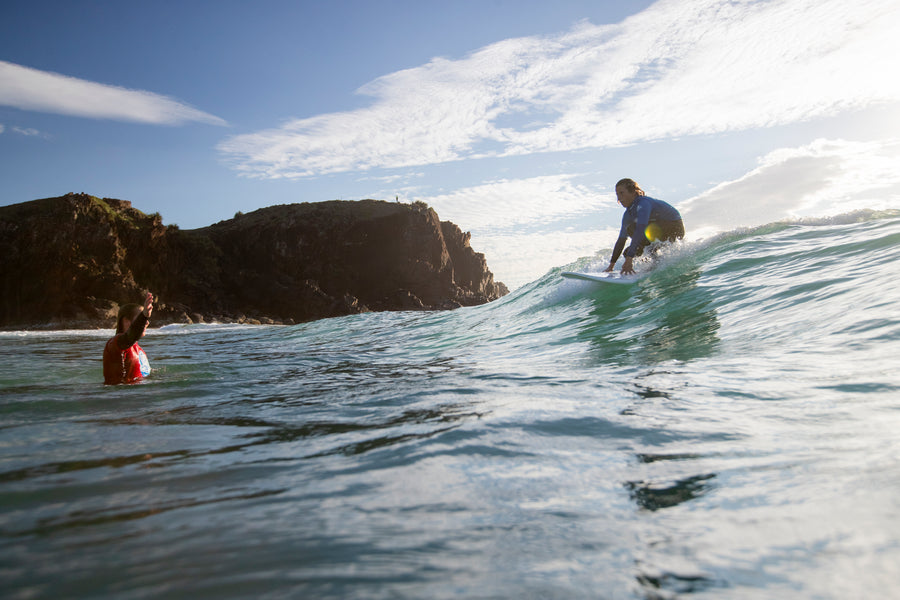
Put both hands flat on the deck, level with your chest, without gripping the rails. Press down and push your chest up, like a press-up. In the same movement, bring your feet underneath your chest: the back foot first, then the front foot landing between your hands. The goal is to arrive on your feet without going through your knees, because that stage slows the movement down and throws you off balance. Keep it smooth and explosive at once: it is one single move, not a series of small stops.
Step 3: the standing position
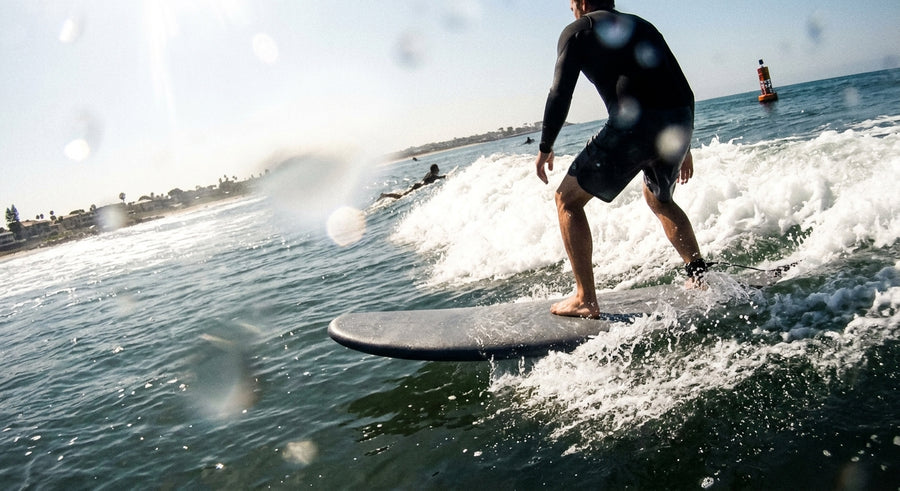
Once you are up, your feet are shoulder-width apart and across the board, back foot near the tail and front foot towards the middle. Bend your knees to lower your centre of gravity, keep your arms out for balance, and above all look far ahead at where you want to go. Your body follows your eyes: looking towards the beach is what holds your balance together. You are standing, you are surfing.
When should you pop up?
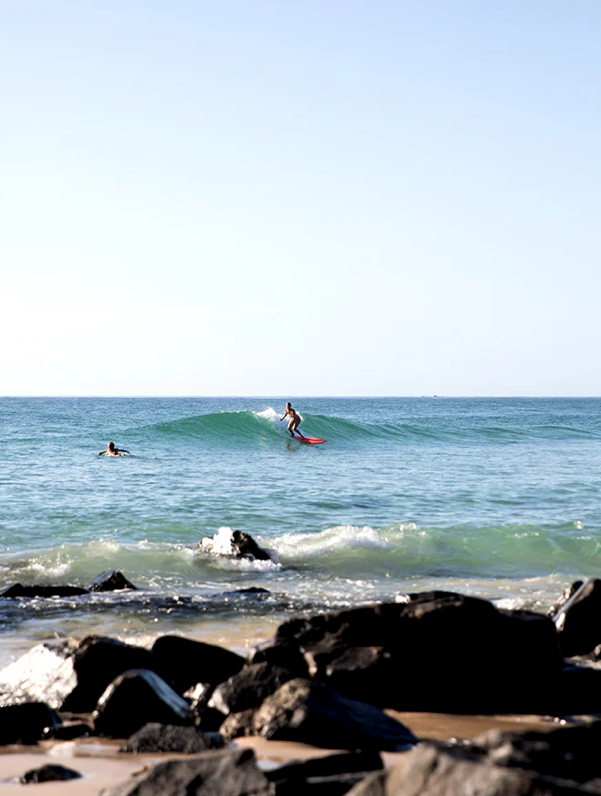
Timing matters as much as technique. Go too early, before the wave is carrying you, and you stand up on a board that is not moving: you fall. Go too late, once the wave has rolled underneath you, and you catch nothing. Start your pop-up the moment the wave lifts the tail of your board: that feeling of the board taking off on its own tells you the speed is there. Before that, you paddle; after that, it is too late. On a soft-top the window is wider and far more forgiving, which gives you time to learn to read that moment.
The most common pop-up mistakes
Four mistakes come up with almost every beginner, and simply knowing them is often enough to fix them. Looking at your feet or your board: your body follows your eyes, so if you look down you nosedive; keep your head up and your eyes forward. Standing up too early, before you have the speed of the wave: wait until you feel the push. Sloppy hand placement: hands stay flat under your chest, never on your fingertips. Going through your knees, the most stubborn habit of all, the one that slows you down and forces you to stand up a second time: the fix is to bring both feet under you in one go, and that is mostly drilled on dry land.
Why is your pop-up failing?
Pick the symptom that sounds most like you and we will give you the cause and the fix to work on.
Drilling the pop-up on dry land
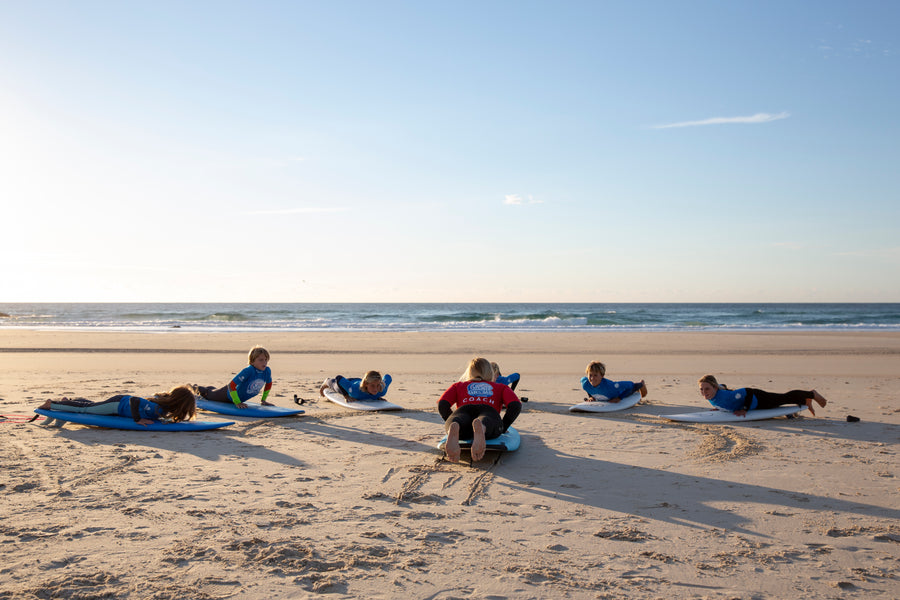
The great thing about the pop-up is that you can repeat it out of the water. Lay your board on the sand, or a towel at home, and run the movement on a loop, slowly at first then faster and faster, until it becomes automatic. It is the best way to kill the knee habit and lock in where your feet land. Add a little physical preparation: the pop-up loads the wrists, shoulders, hips and core. A joint warm-up before the session, plus regular core and mobility work on the side, will give you the strength and range of motion that makes the difference in the water.
How to improve your pop-up
Once the basics are there, three things move you forward. First, know your front foot: left foot forward makes you regular, right foot forward makes you goofy. To find out, ask someone to push you gently from behind without warning; the foot you put forward to catch yourself is usually your back foot. You will always place your feet the same way, which makes every pop-up more reliable. Second, keep going back and forth between the water and dry land: correcting on the sand what you noticed in the water is how you break bad habits. Third, work on your fitness over time, with more core strength, more mobility and stronger arms for paddling. The pop-up is only the first of the surfing skills: for the full picture, go back to the complete beginner’s guide to surfing.
Frequently asked questions
What is a pop-up in surfing?
It is the move from lying on the board to standing up on it to ride a wave. It is also called the take-off.
When should you start your pop-up?
The moment you feel the wave lift and push the tail of your board, right after your paddle strokes. Not before, not after.
How long does it take to land your first pop-up?
On a foam board, with a bit of dry-land practice, plenty of beginners get to their feet within the first few sessions. A reliable, repeatable pop-up usually takes a few weeks.
Is the pop-up easier on a foam board than on a hard board?
Yes. The volume and stability of a soft-top let you catch the wave earlier and forgive mistakes, which makes the pop-up much more accessible.
Should you go through your knees to stand up?
No, it is a habit worth avoiding because it slows the movement down. The goal is to bring your feet straight under your chest in one motion.
The essentials
To land your pop-up: speed from paddling, the right moment to go, one clean move without going through your knees, and your eyes looking far ahead. A foam board with the right volume makes all of it much easier when you are starting out.
Choose my foam surfboardLes autres guides
Ramer
Le moteur du surf : la technique pour avancer vite et se fatiguer moins. Lire le guide
Lire les vagues
Observer le plan d’eau, reconnaître les vagues et choisir la bonne. Lire le guide
Se placer au line-up
Où te positionner et les règles de priorité à respecter à l’eau. Lire le guide
Bottom turn
Ta première manœuvre : le virage en bas de la vague qui donne la vitesse. Lire le guide
Progresser
Les trois paliers de la progression et des repères de temps réalistes. Lire le guide
Apprendre à surfer
Tous les gestes dans l’ordre, de la rame au premier virage. Lire le guide