How to Surf: the Complete Beginner's Guide
Want to get into surfing but not sure where to start? This guide brings together everything a beginner needs: the right gear, reading waves, the basic skills and a plan to keep improving without getting discouraged.
You can learn to surf at any age
Good news: there is no age limit for starting. You can learn to surf at 20, 40 or even 50, the only real requirement being that you are comfortable in the water. Surfing is demanding at the start: you will paddle, swallow water and fall, and that is normal. Most beginners get their first waves on foam within a few sessions, but count on a season to feel genuinely at ease. Patience is your best ally.
Choosing your gear as a beginner
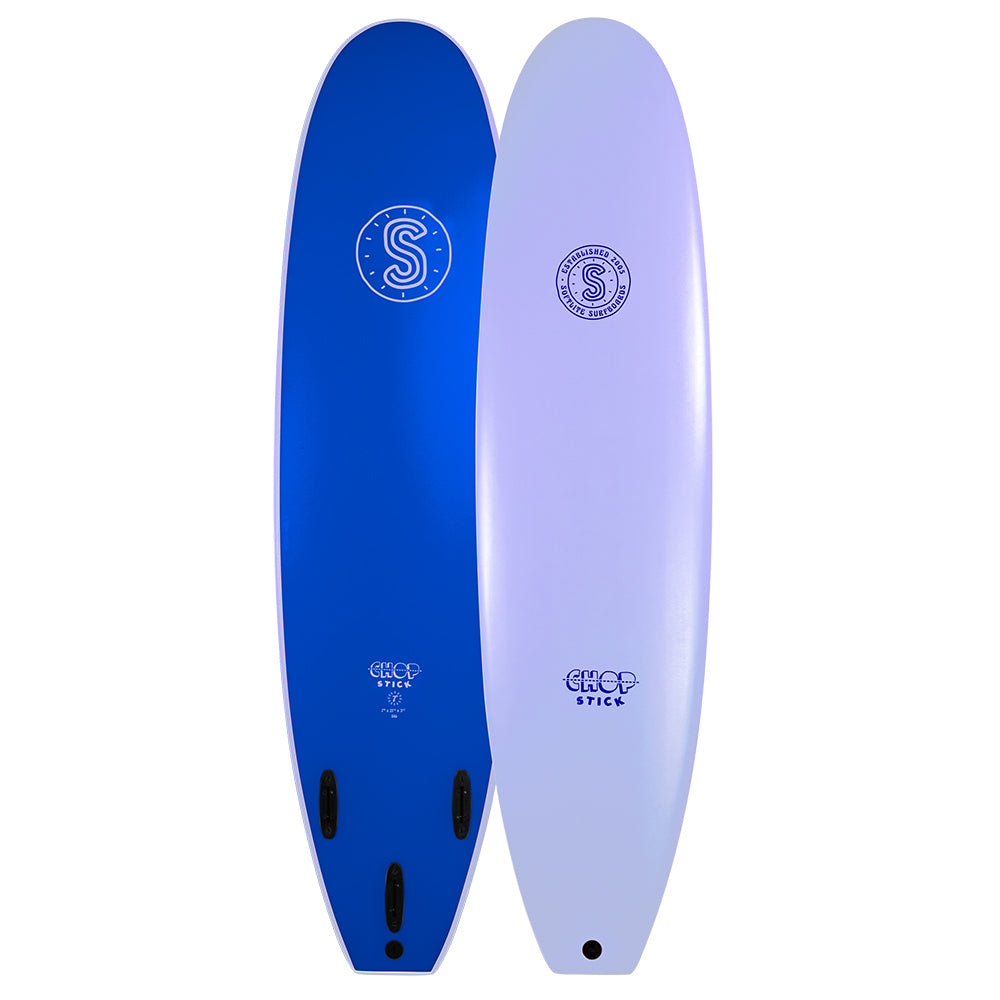
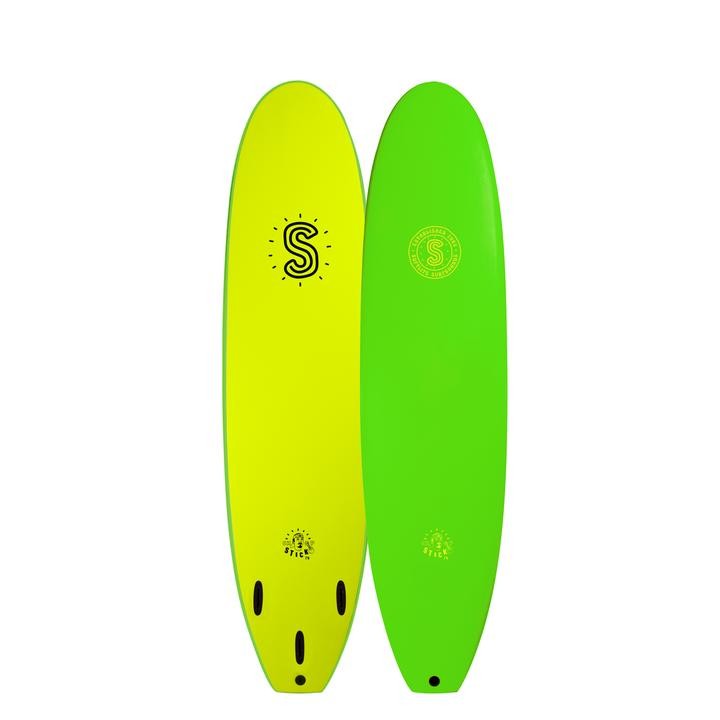
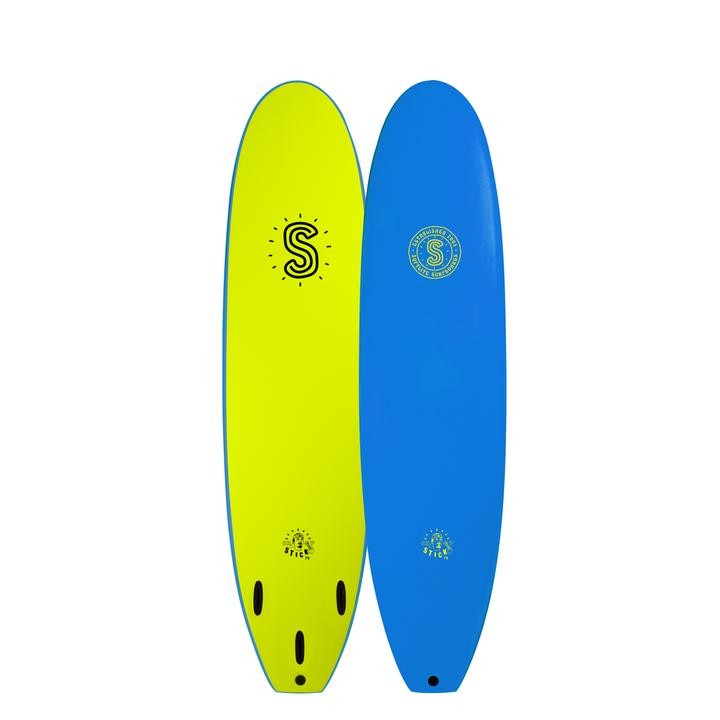
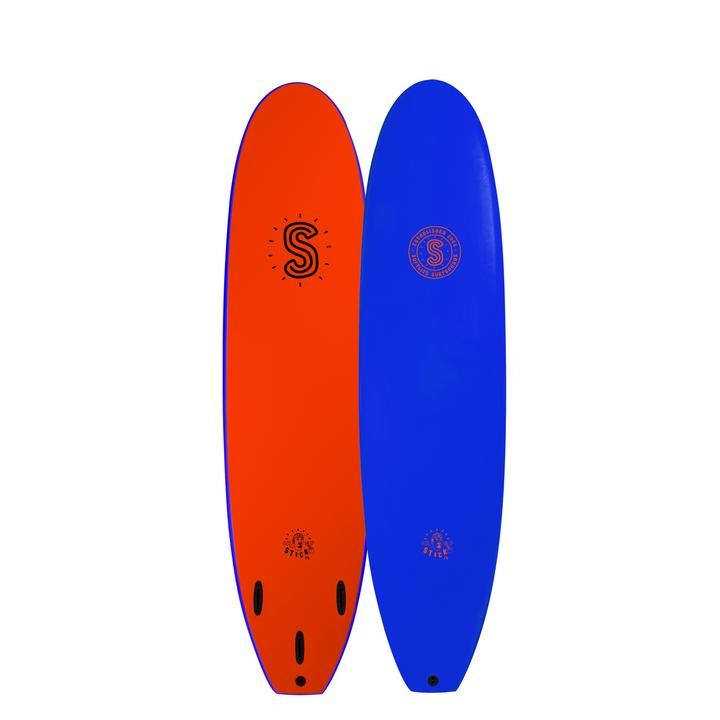
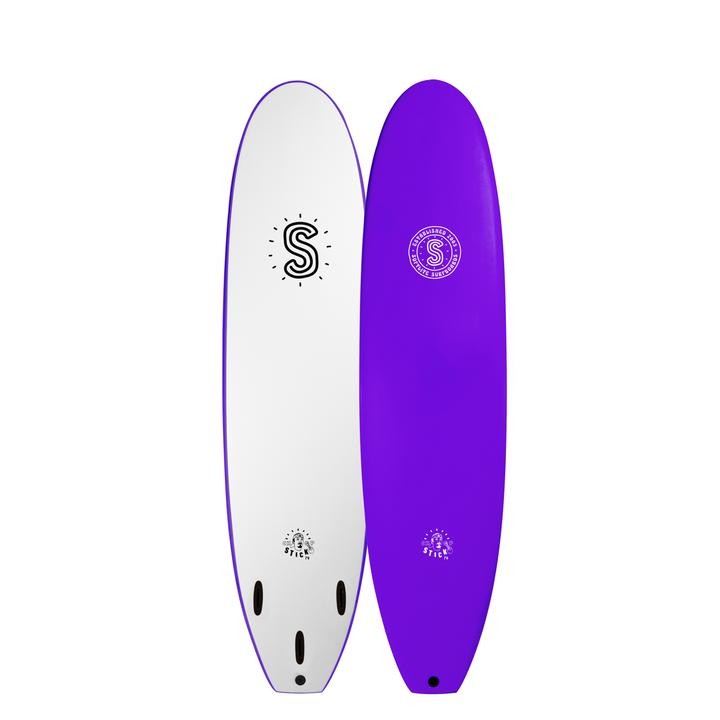
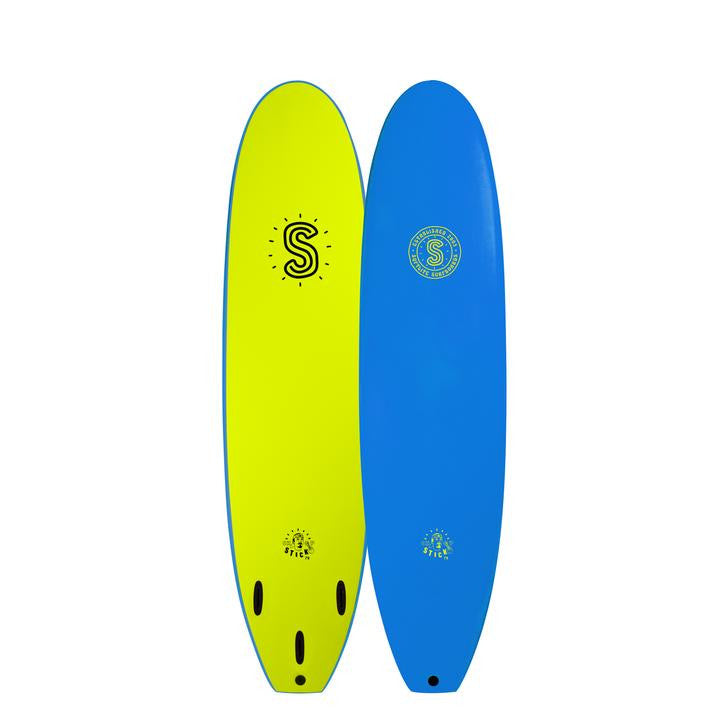
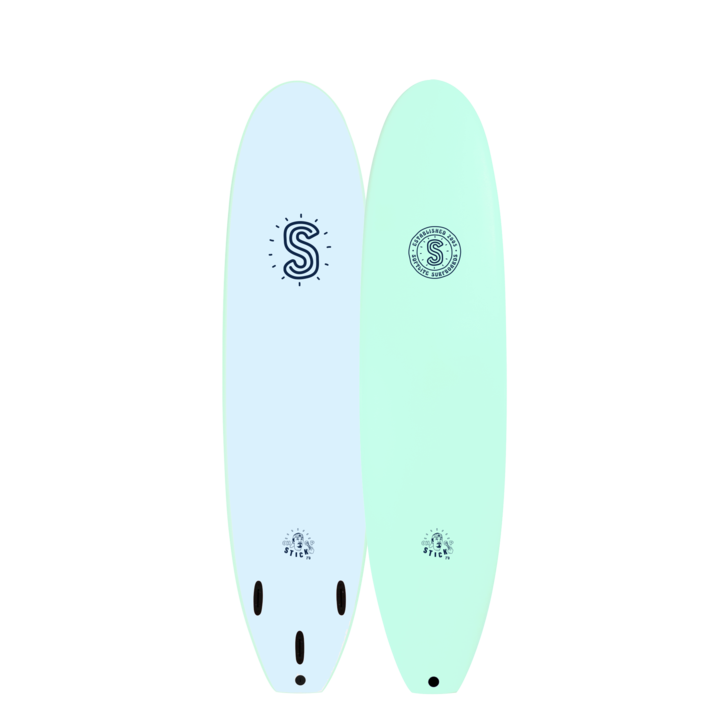
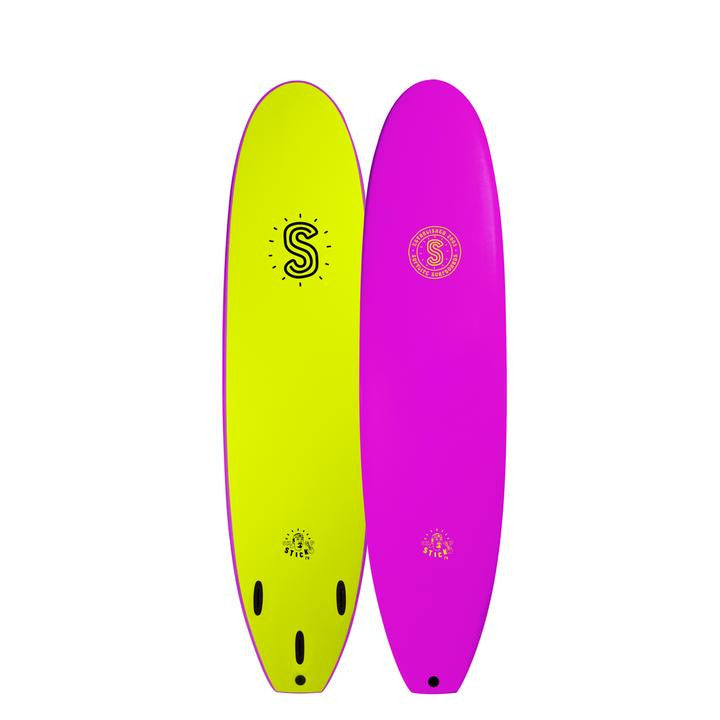
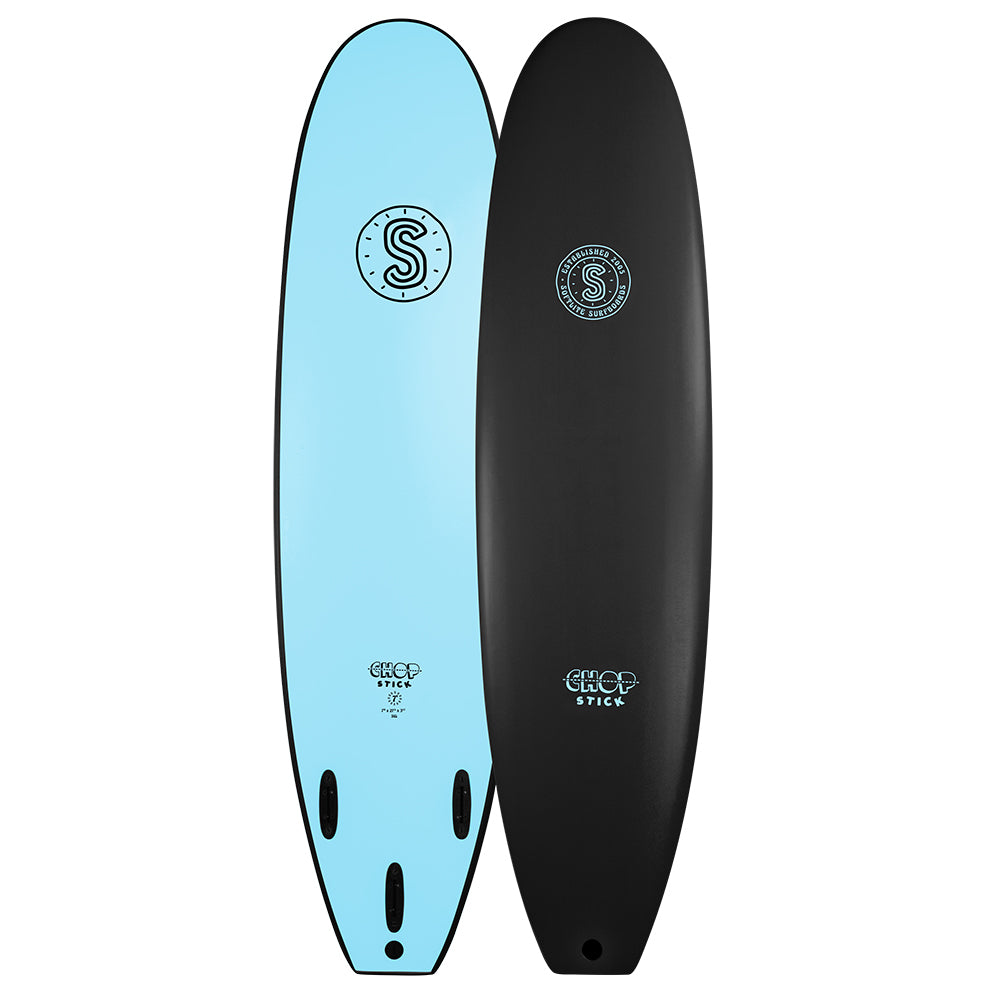
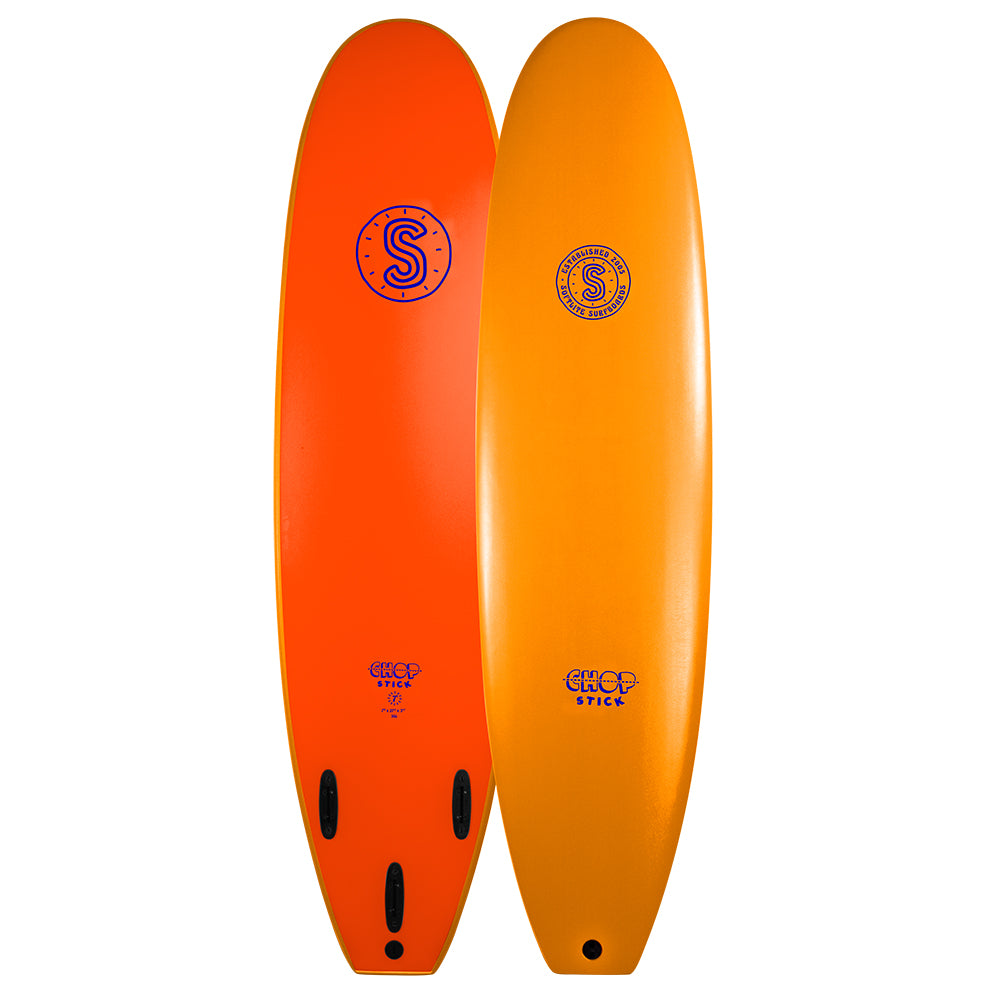
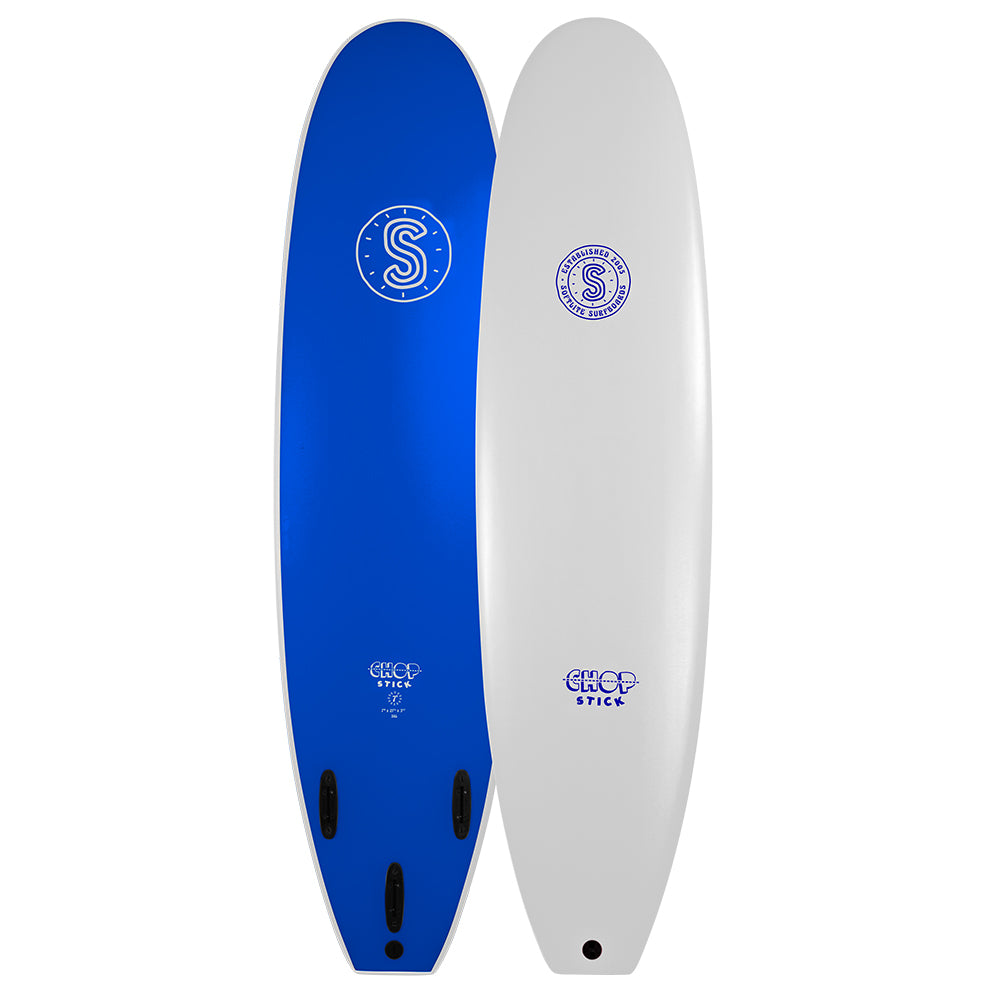
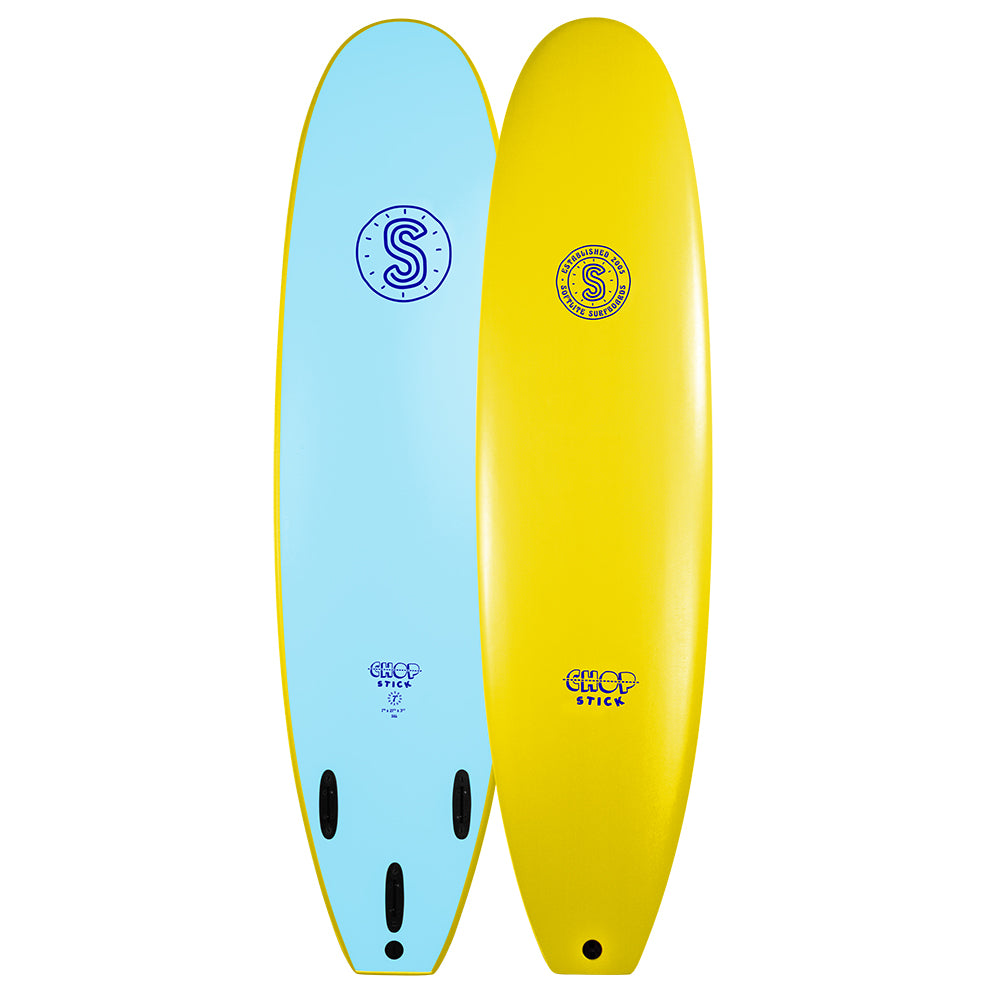
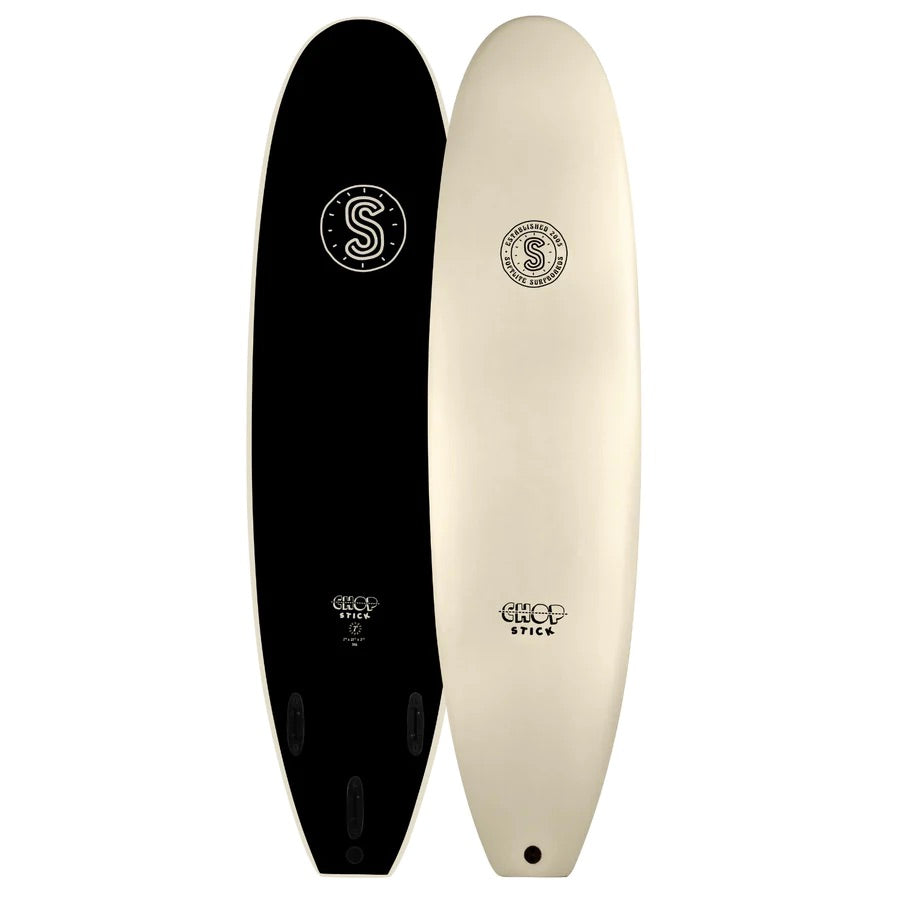
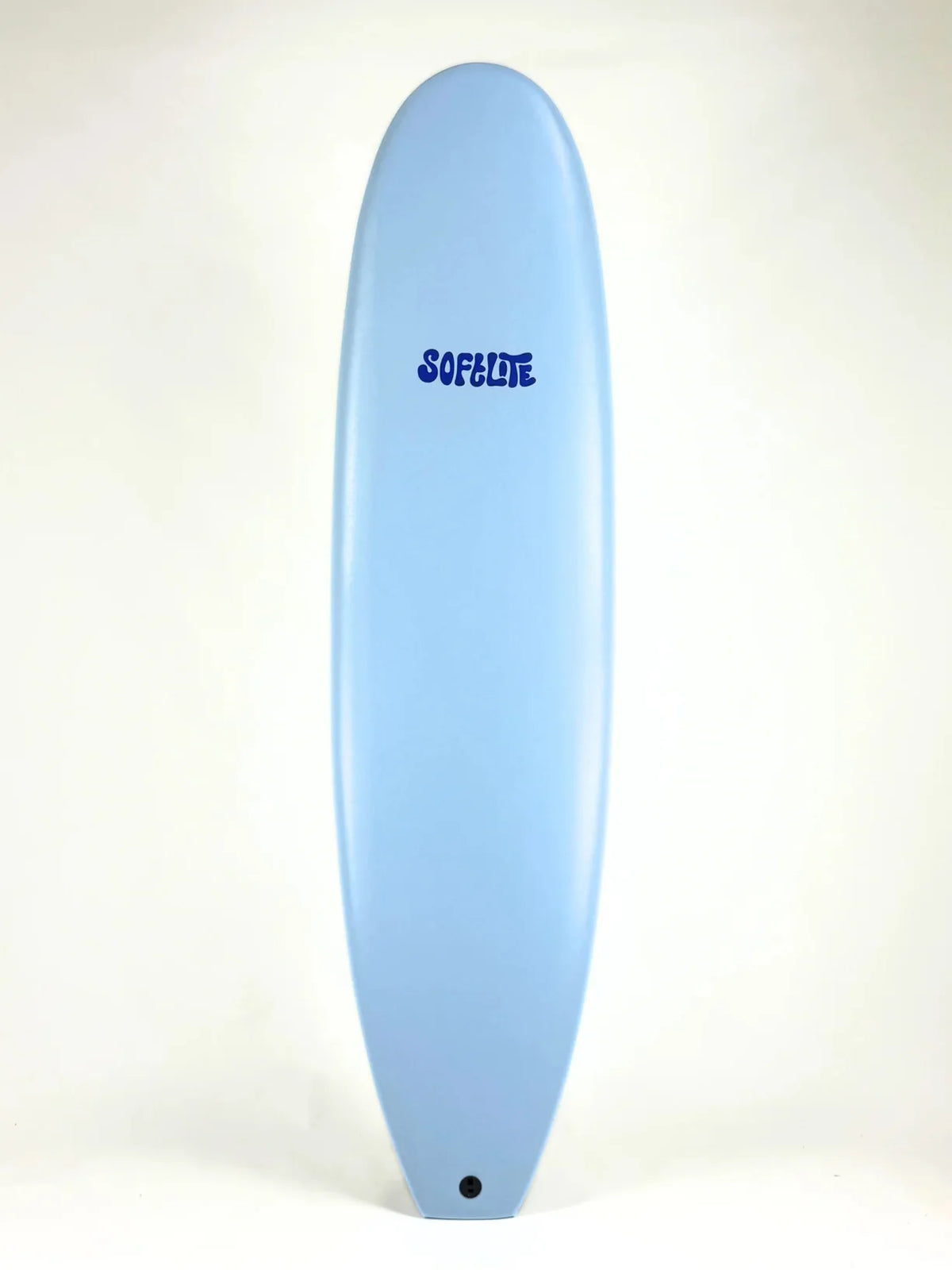
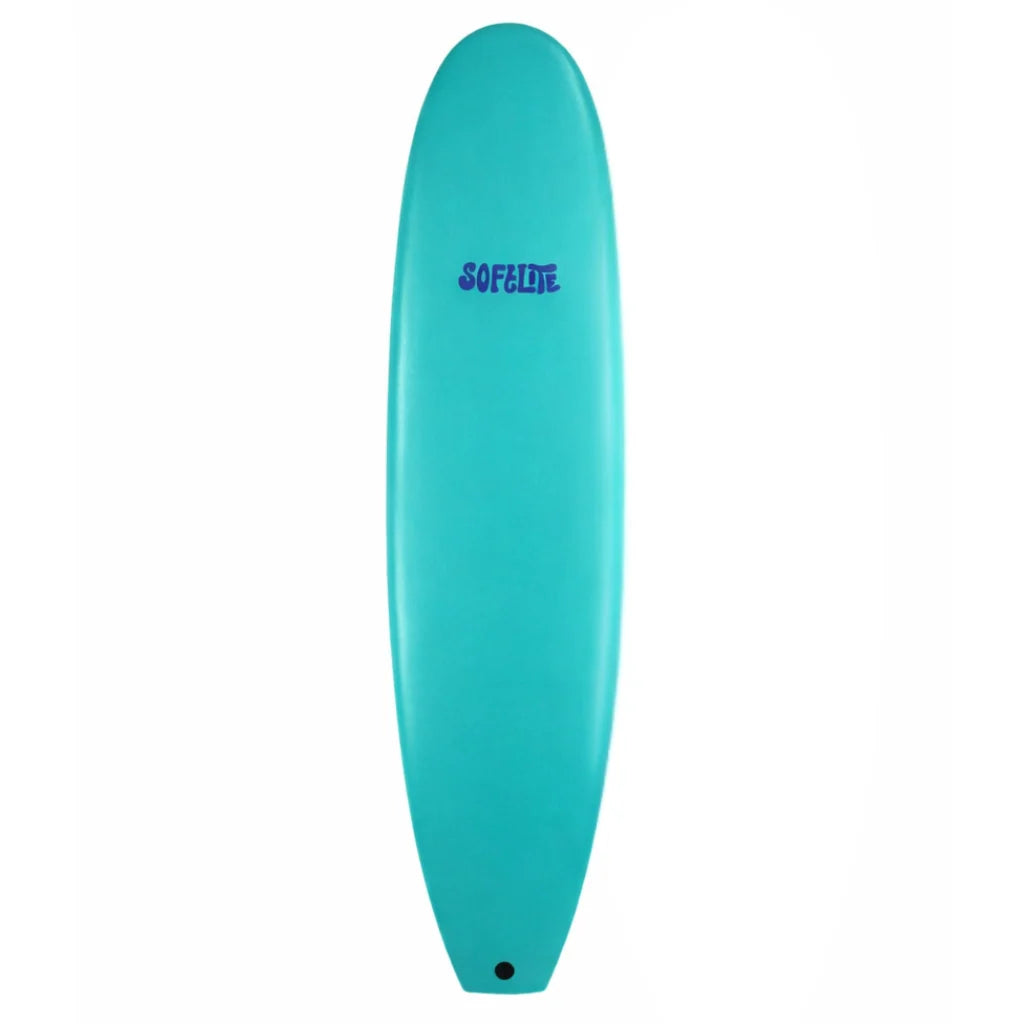
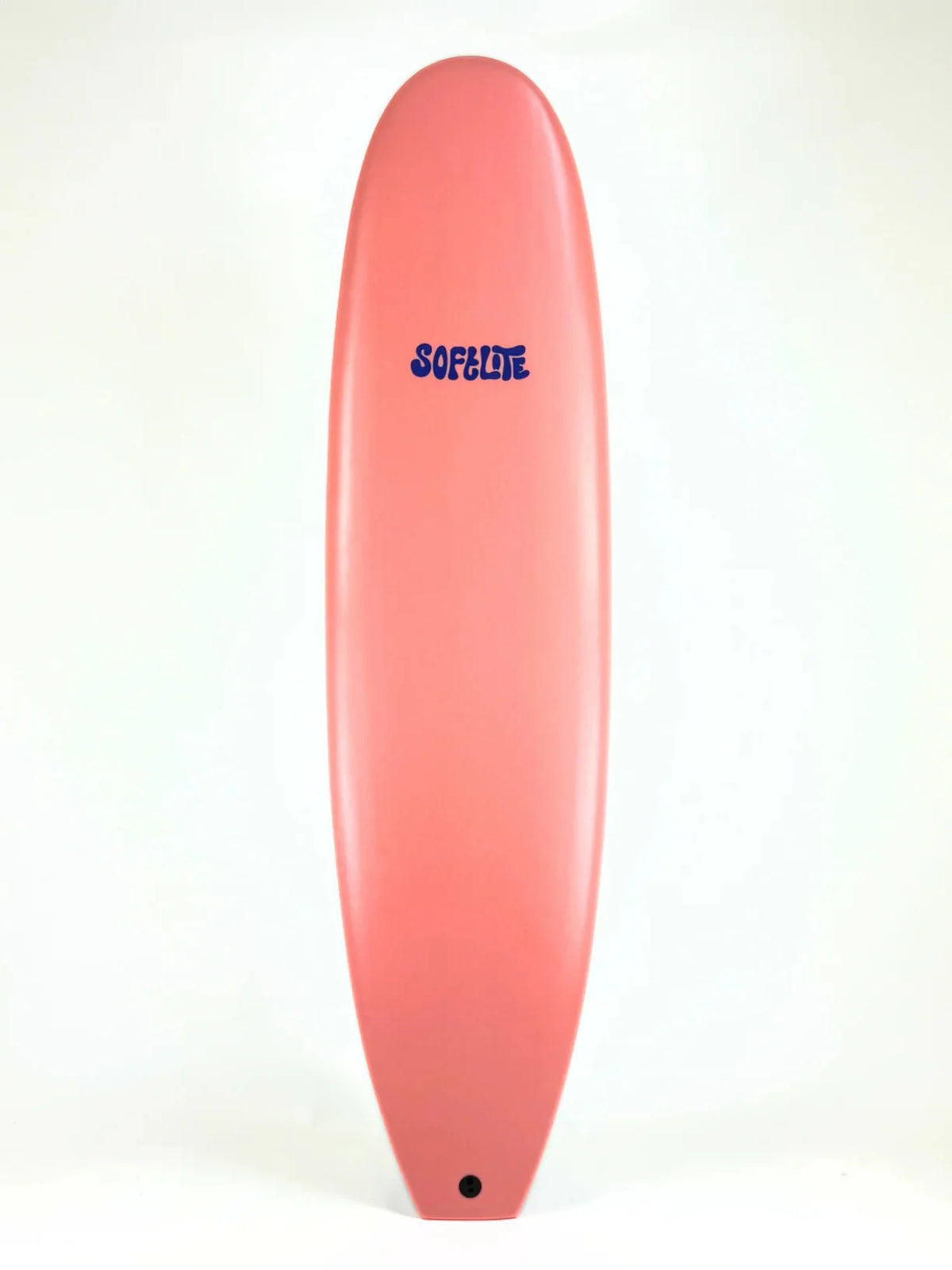
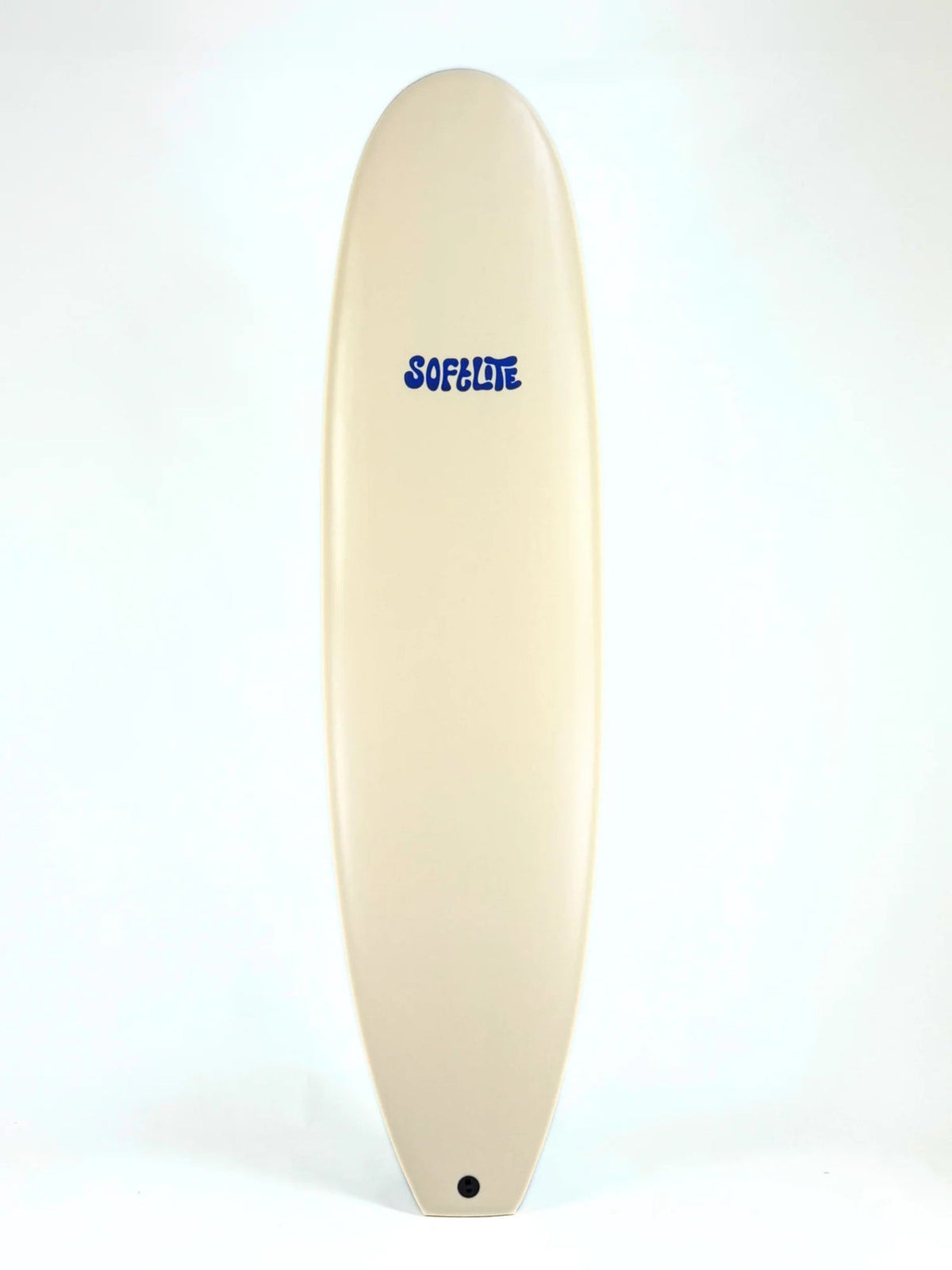
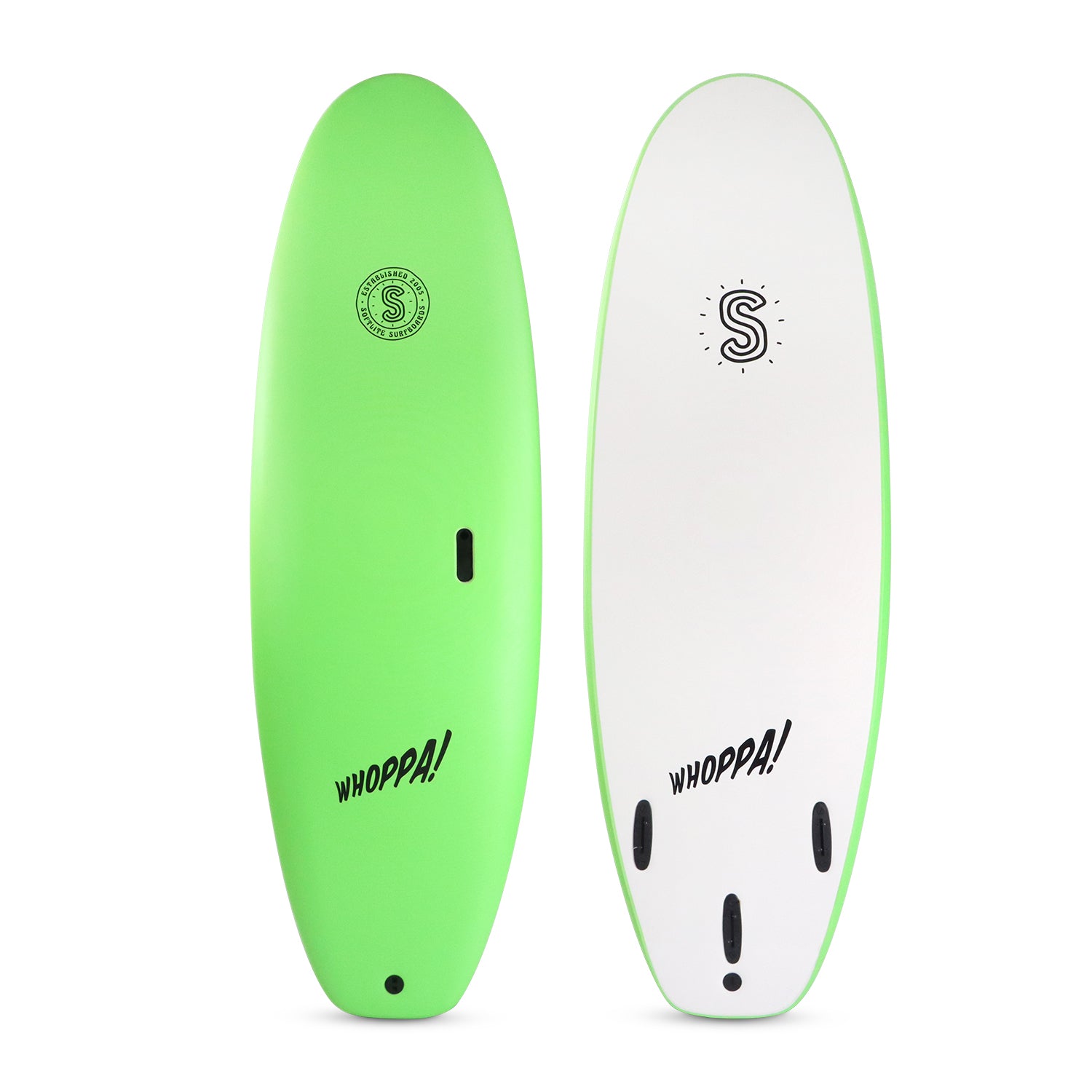
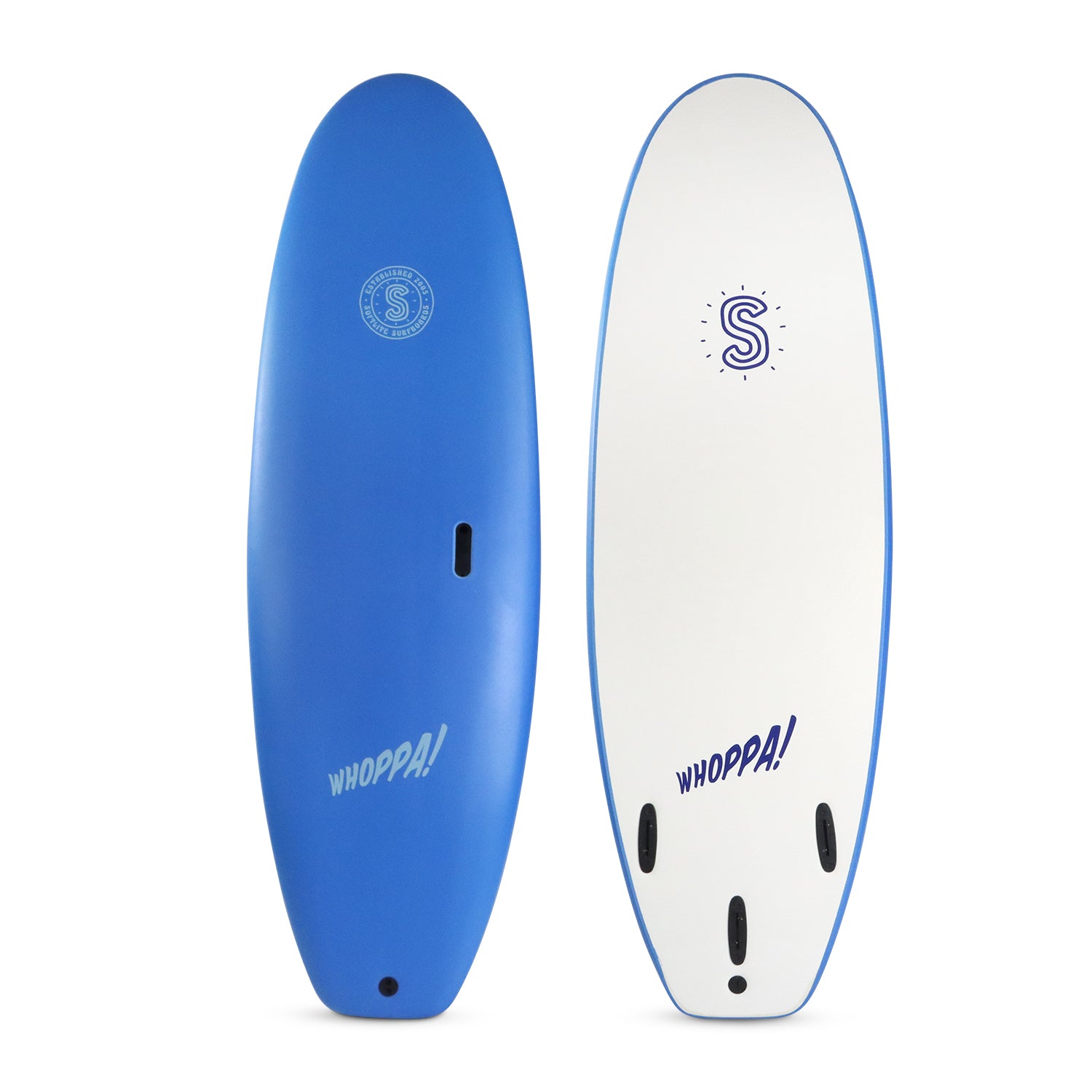
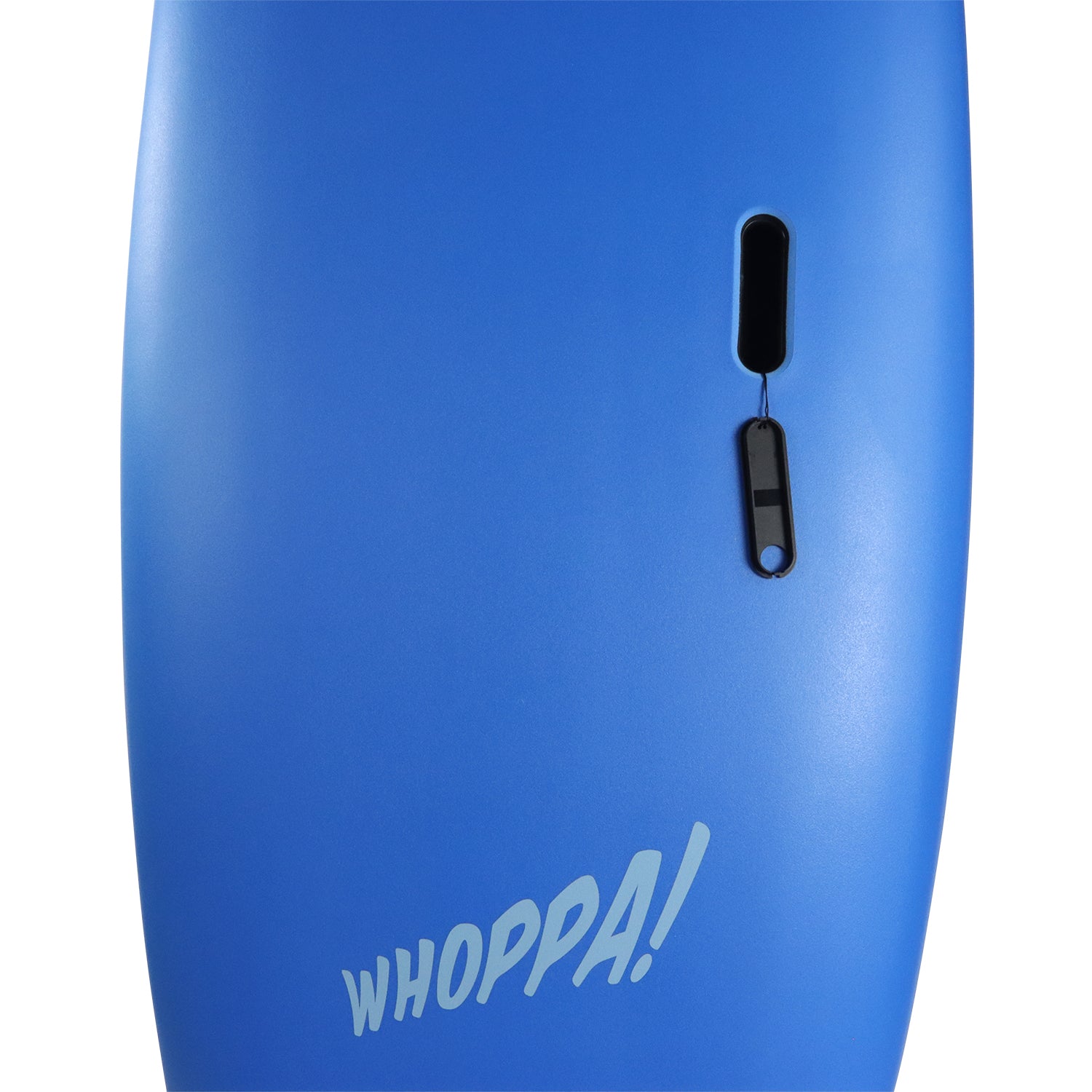
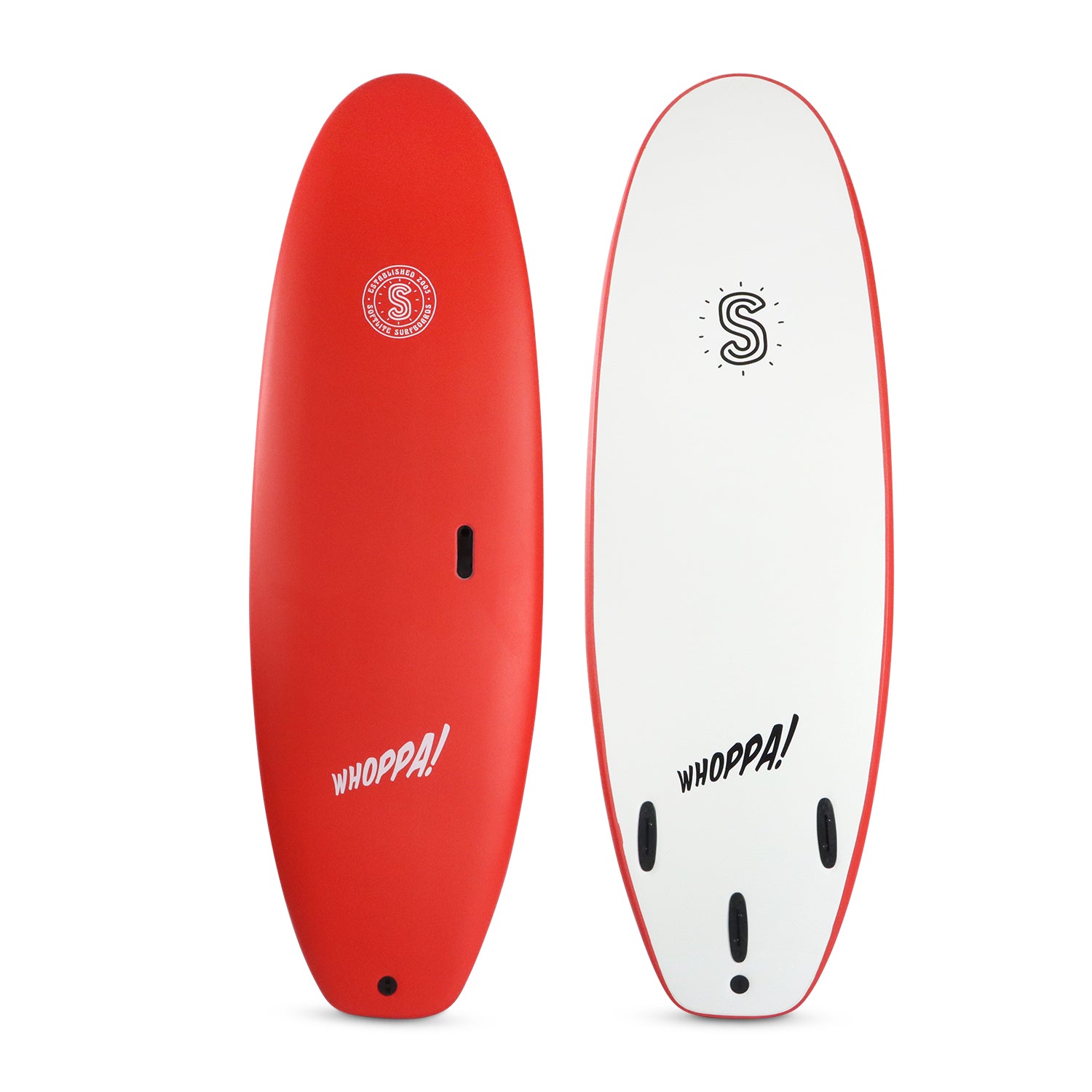
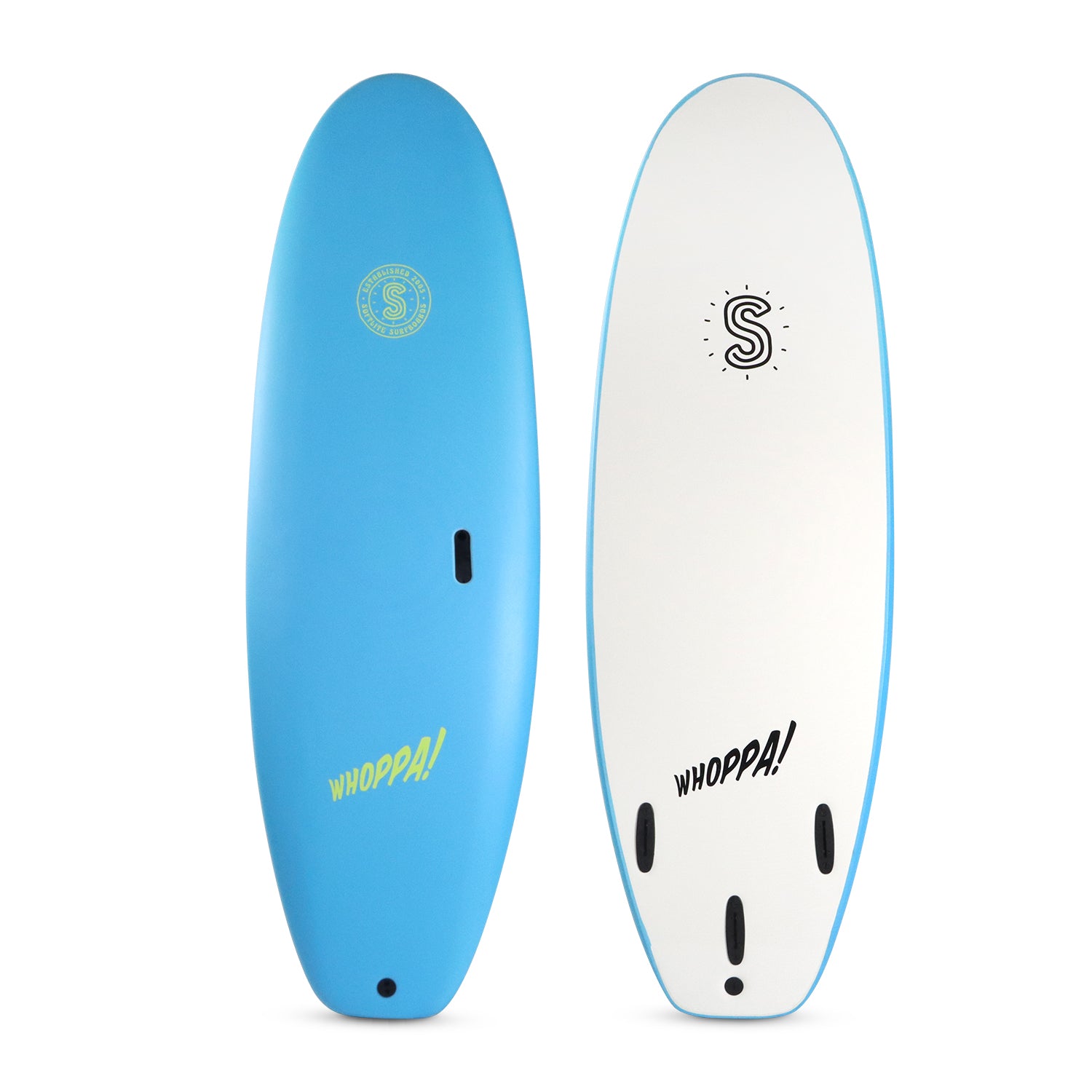
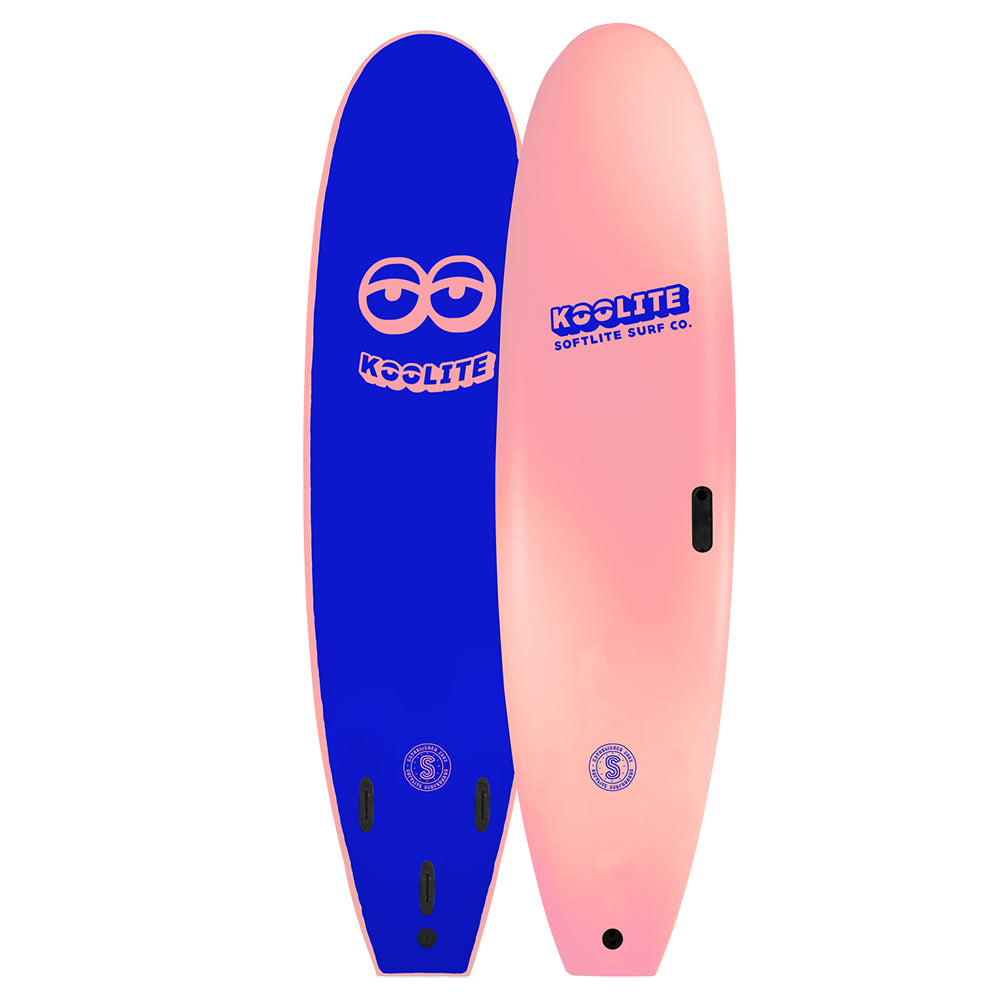
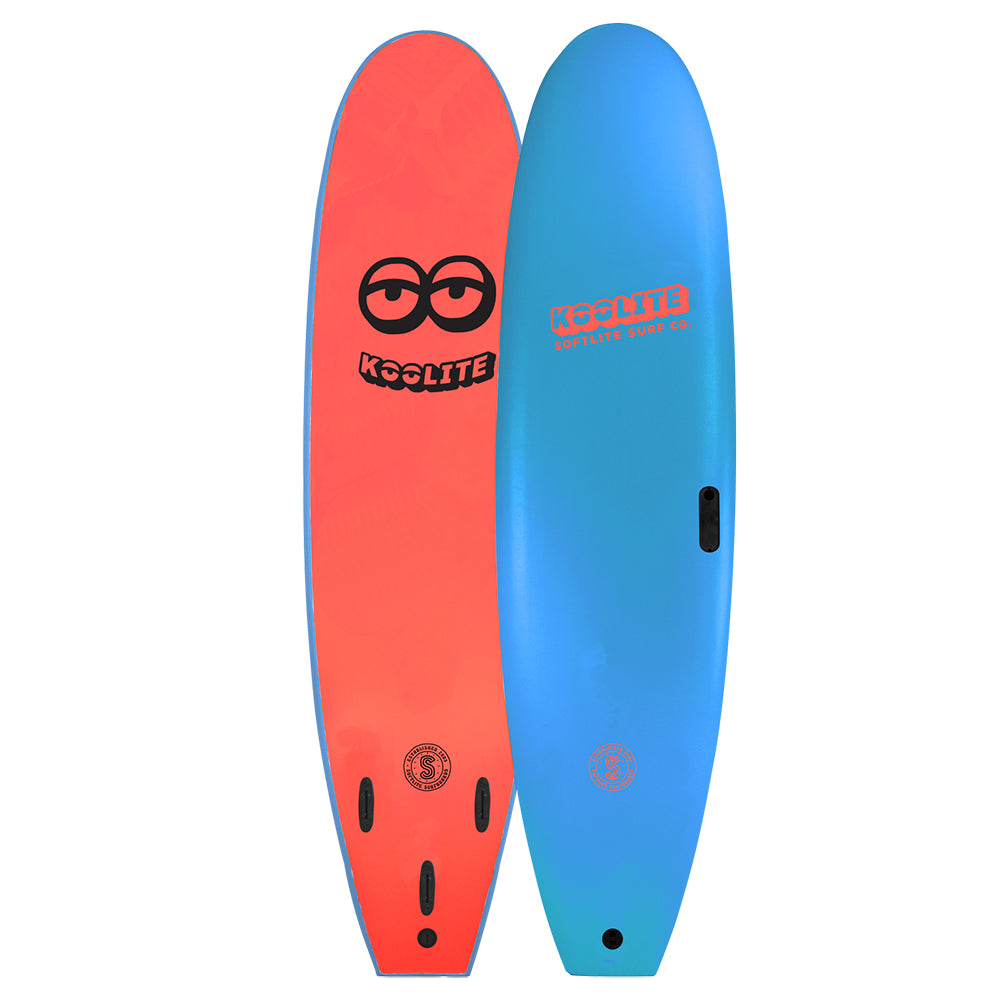
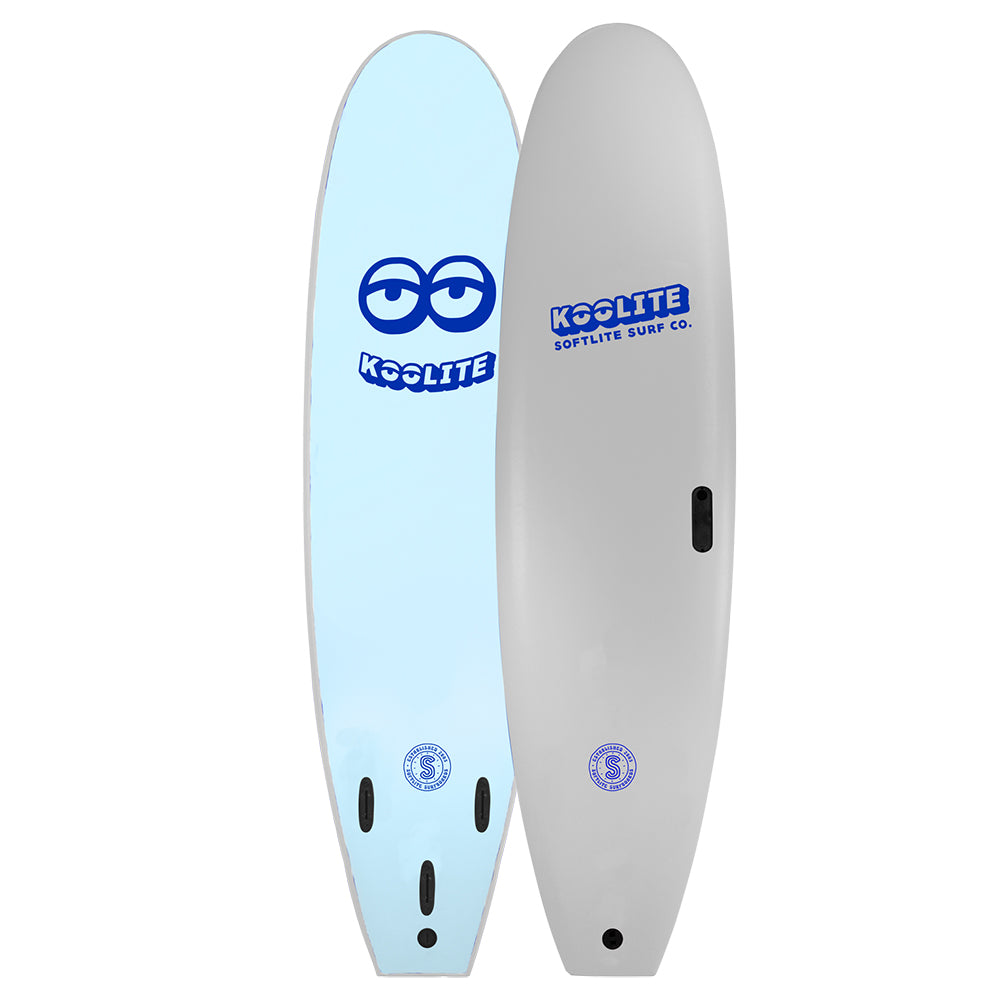
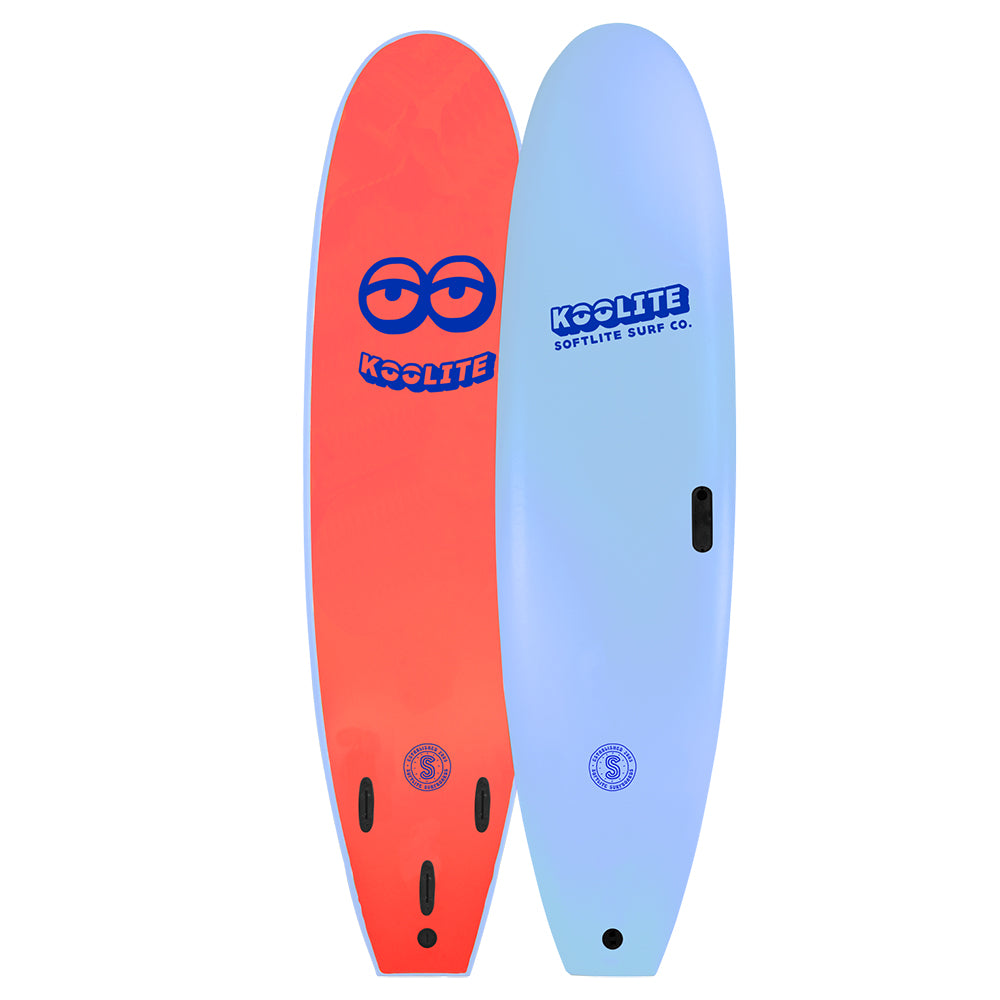
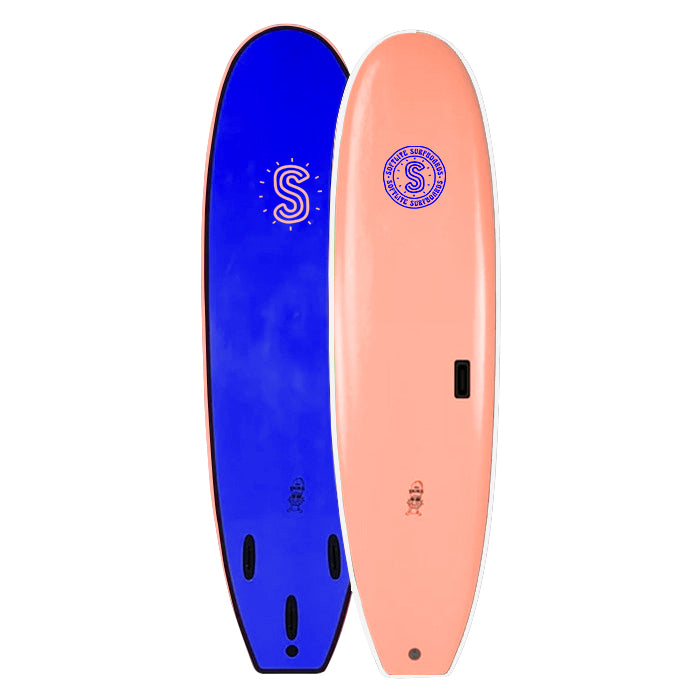
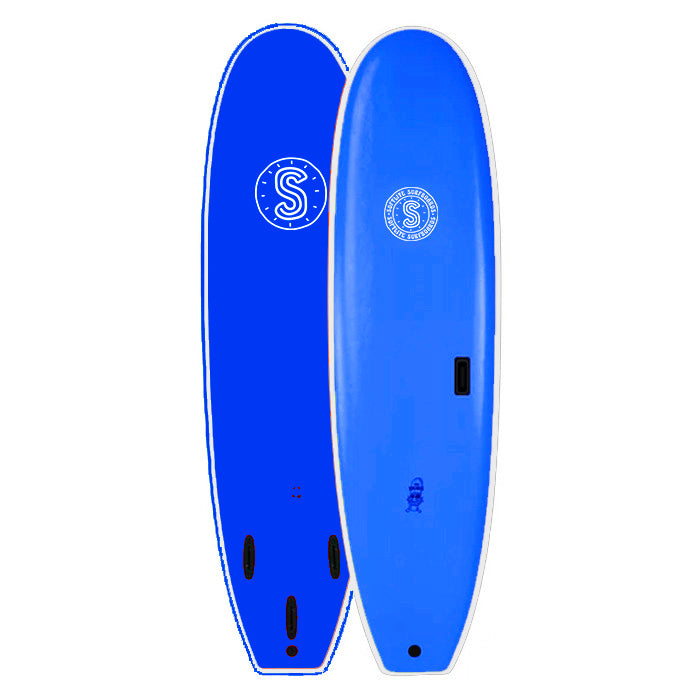
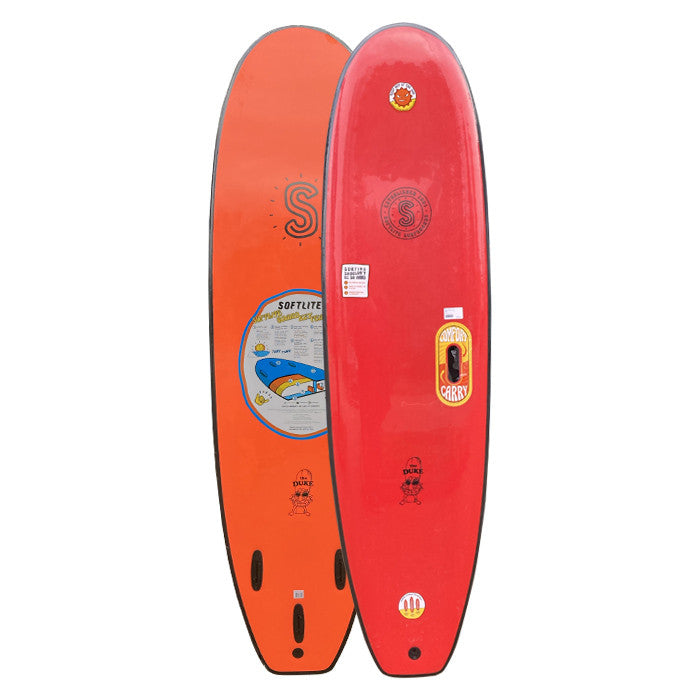
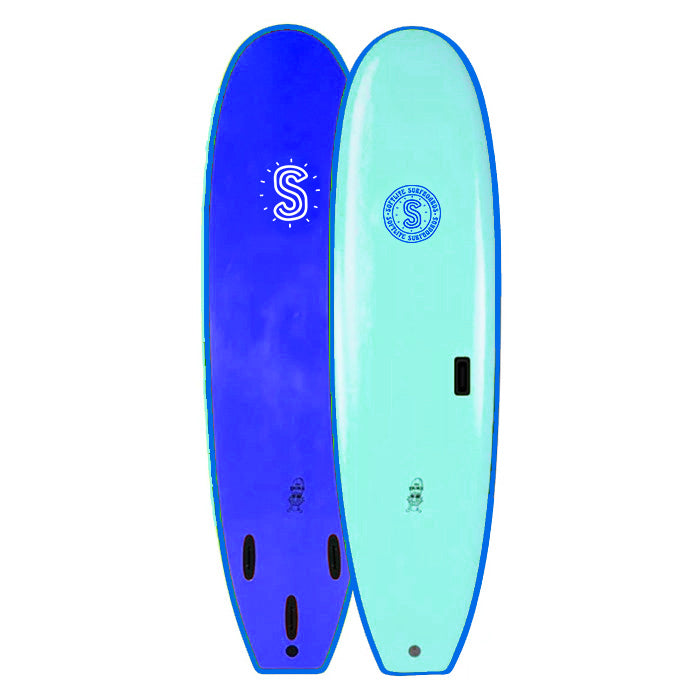
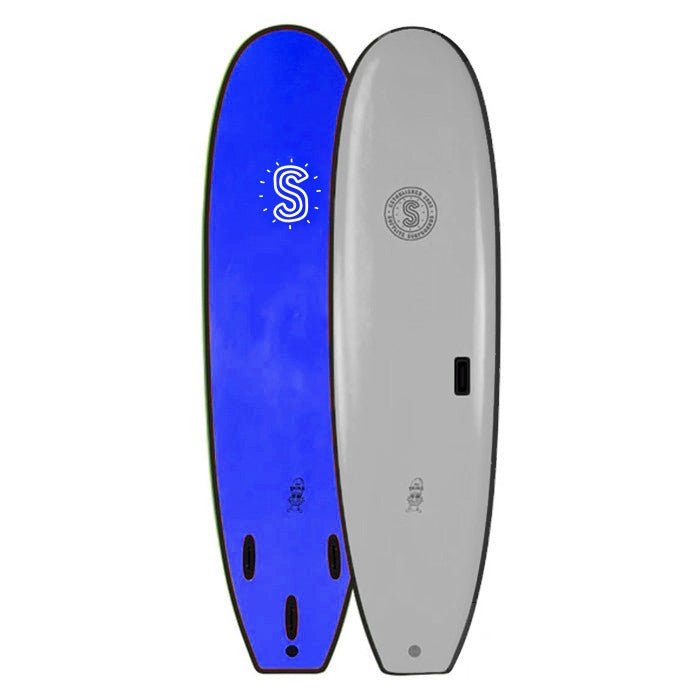
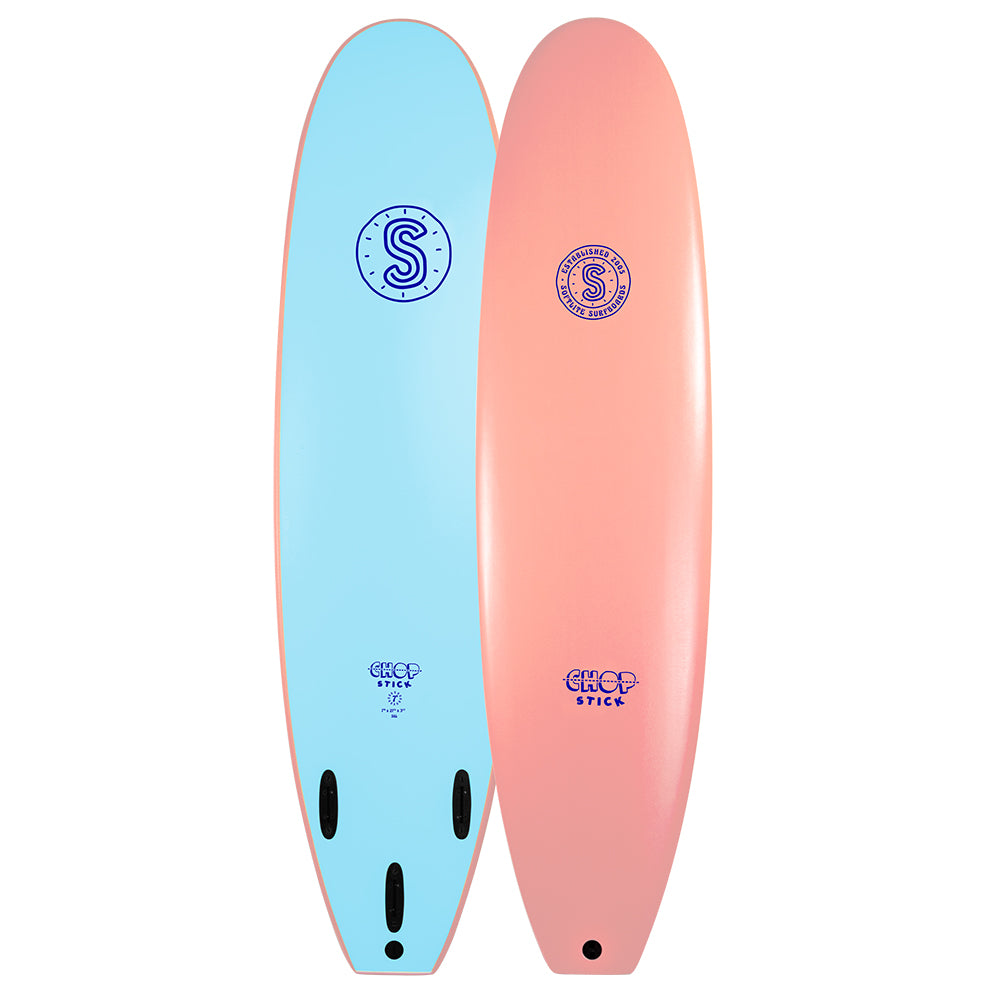
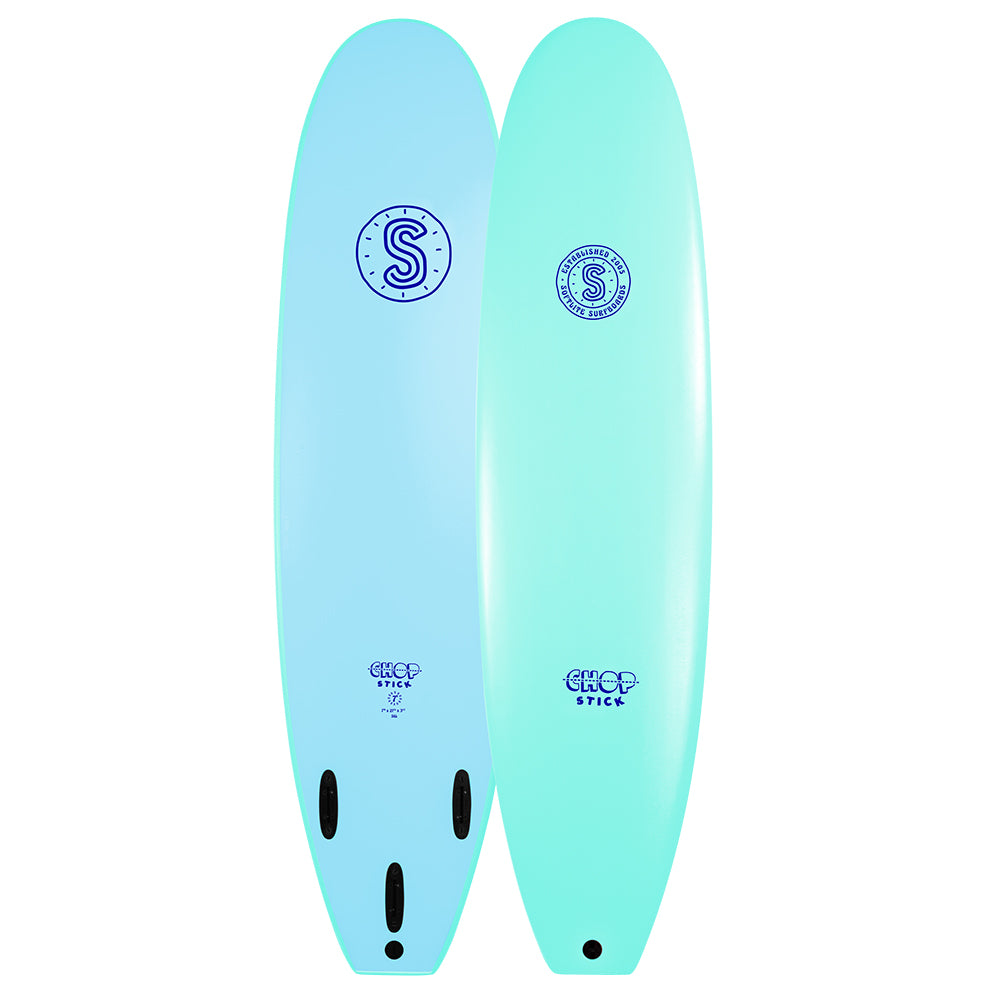
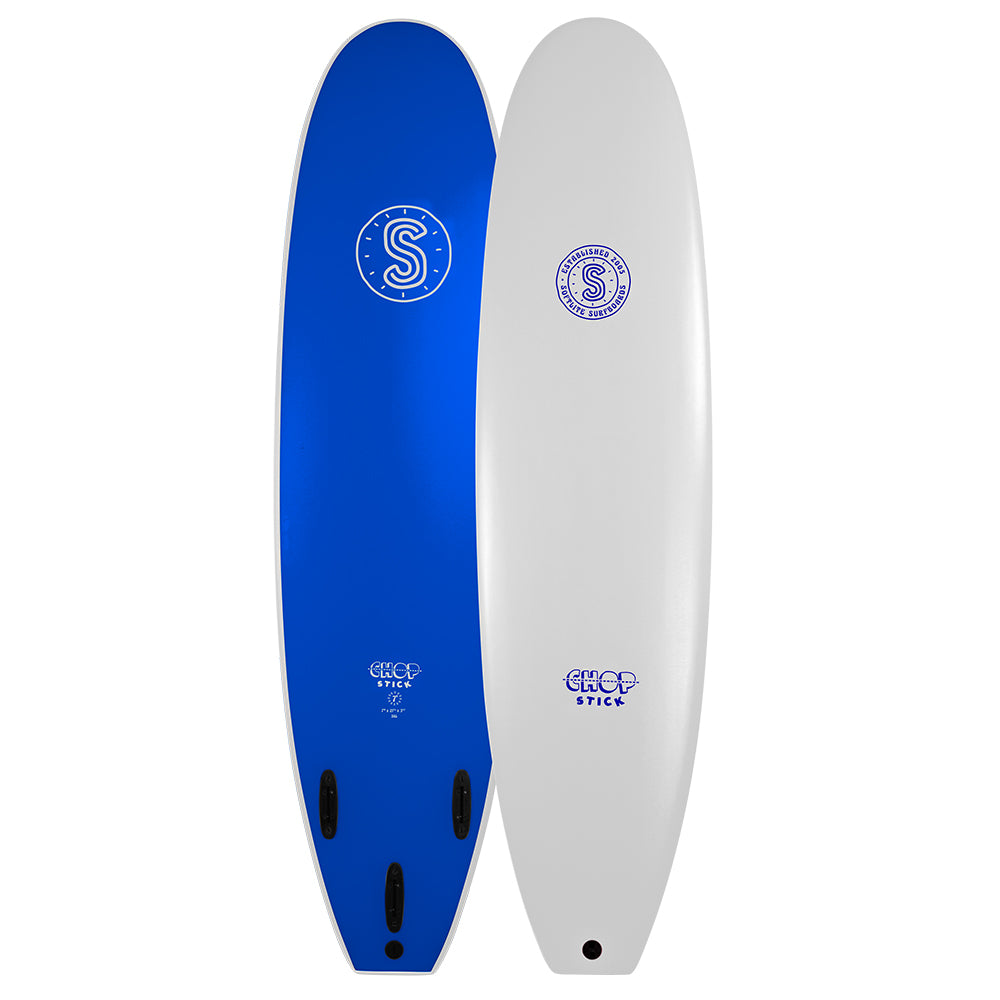
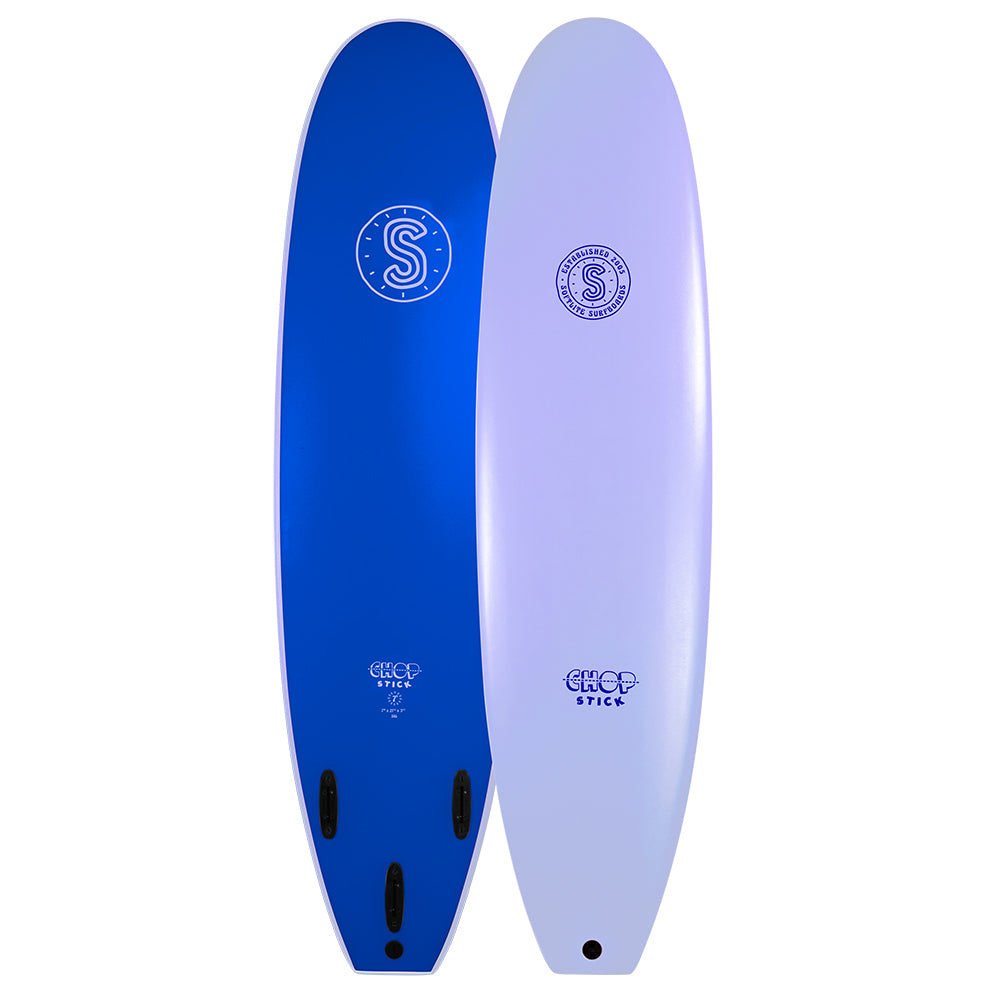
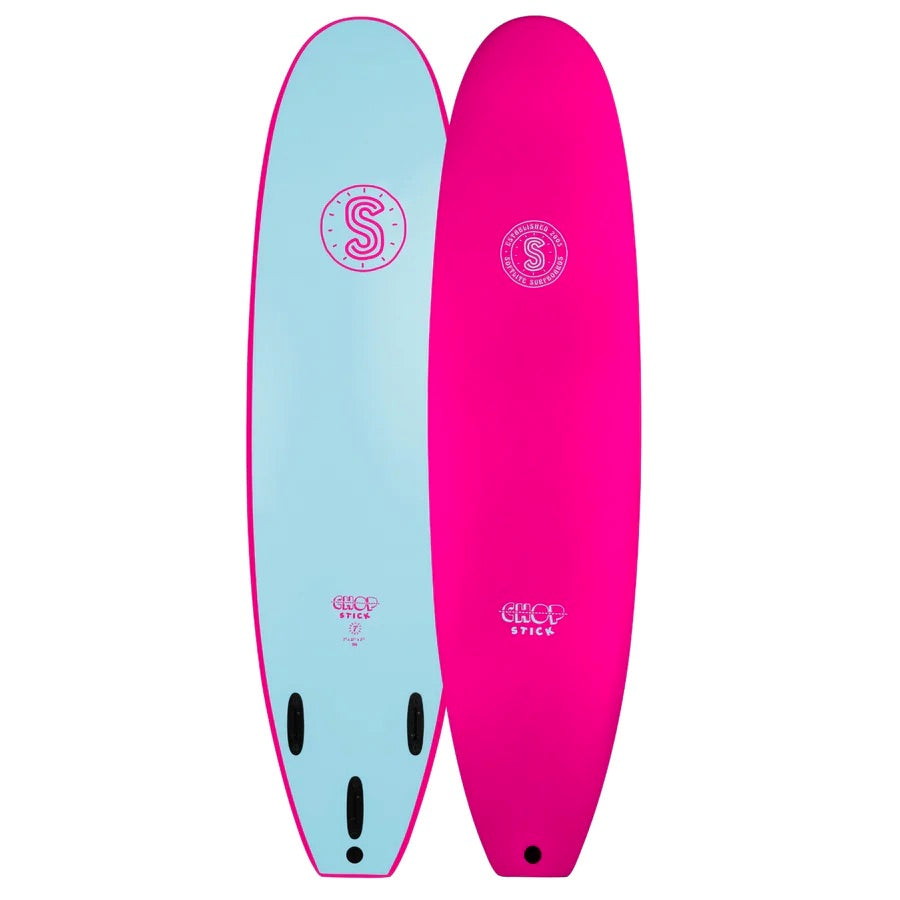
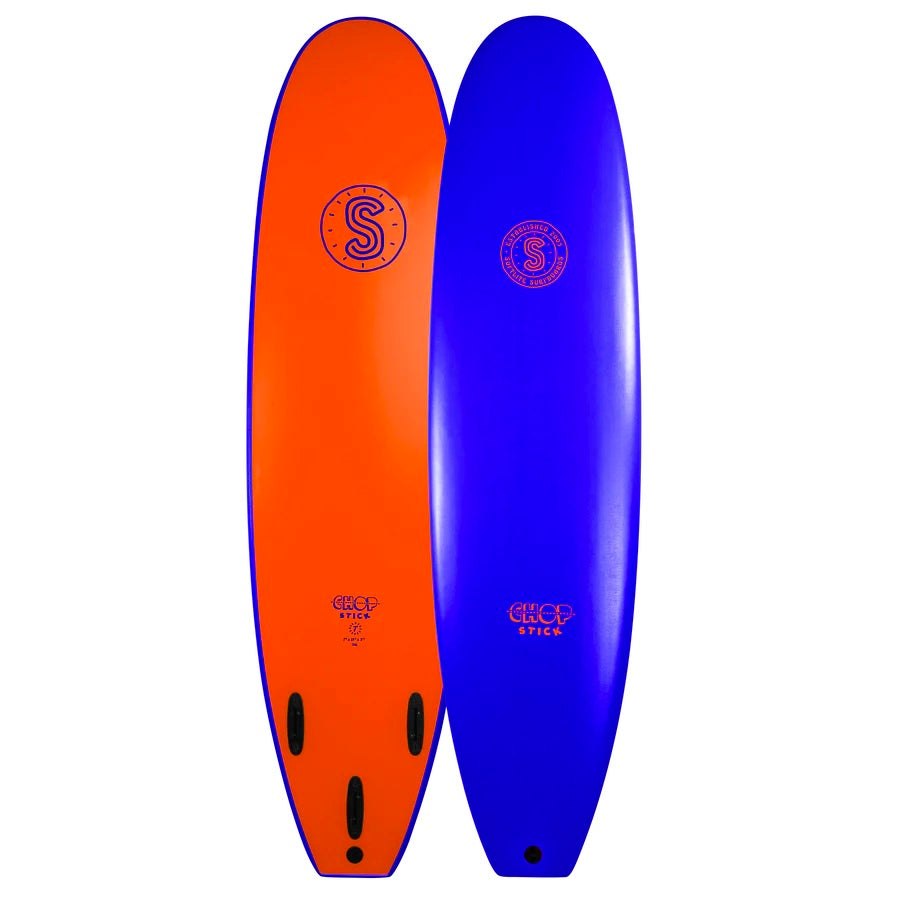
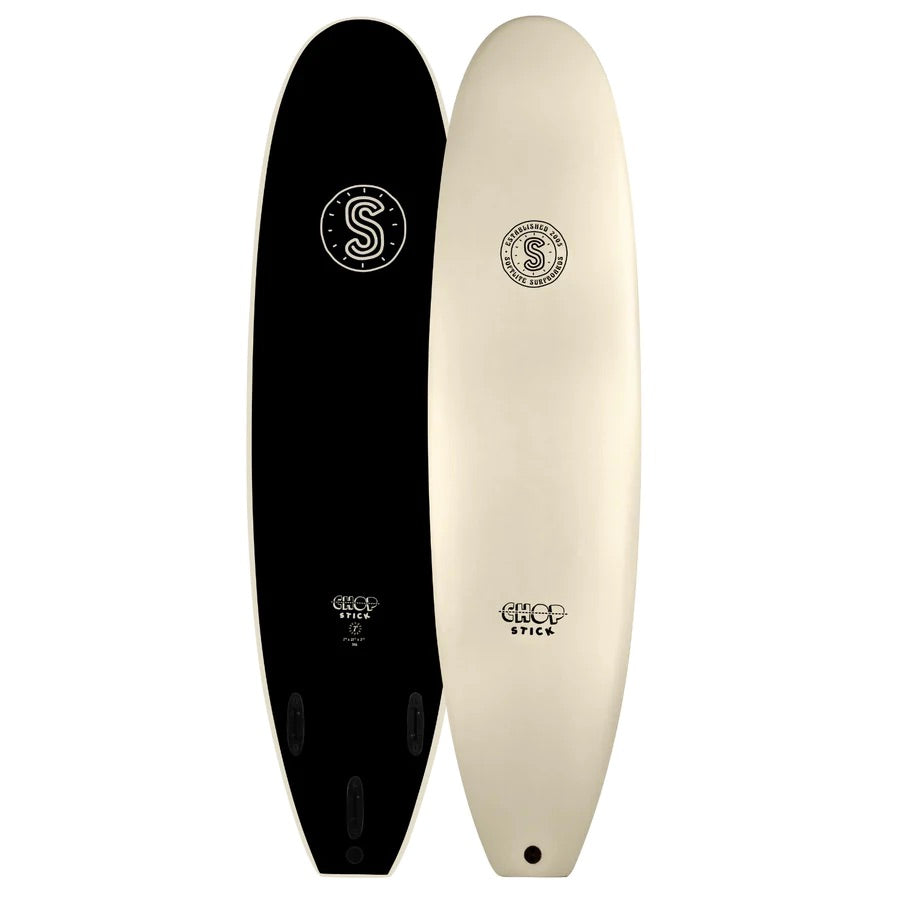
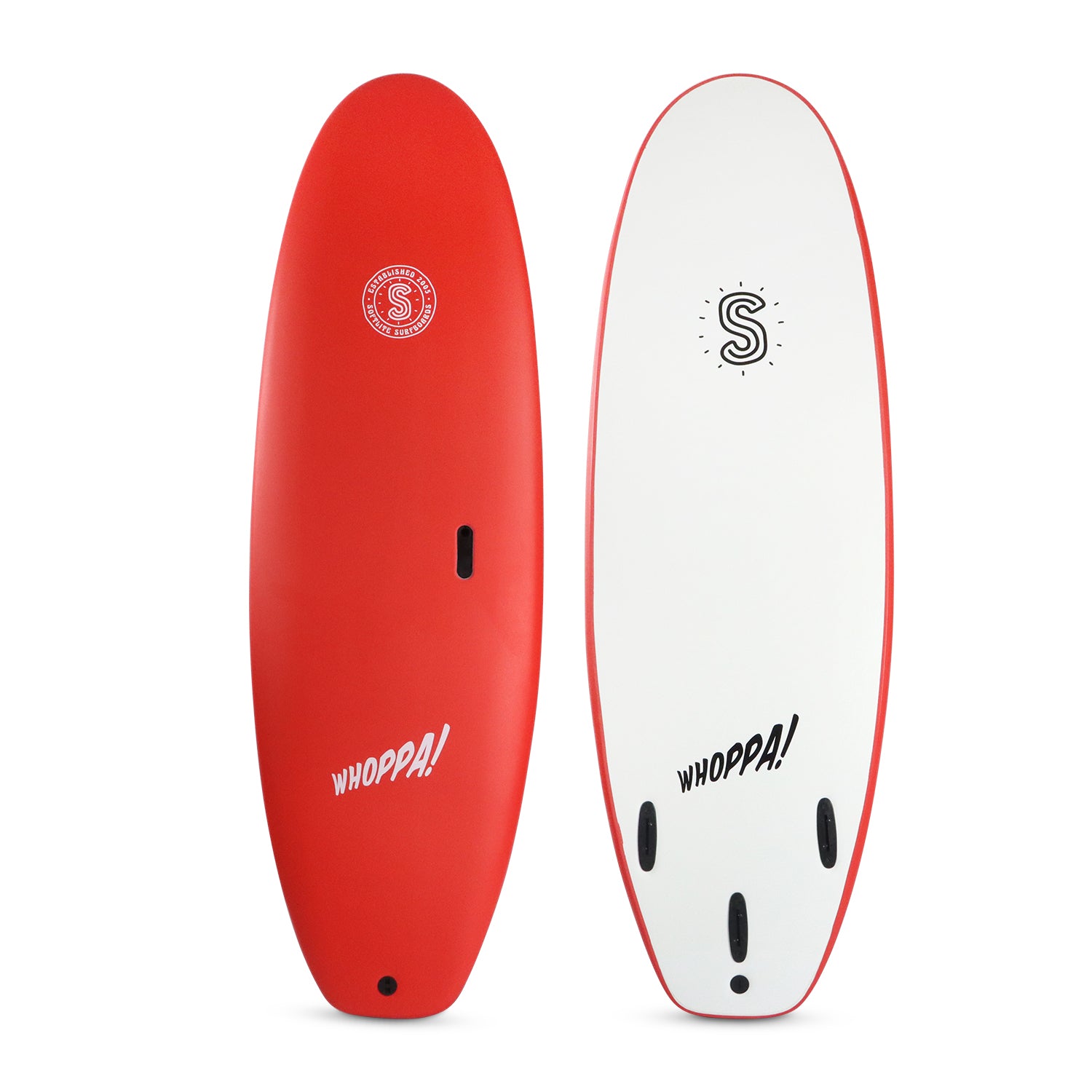
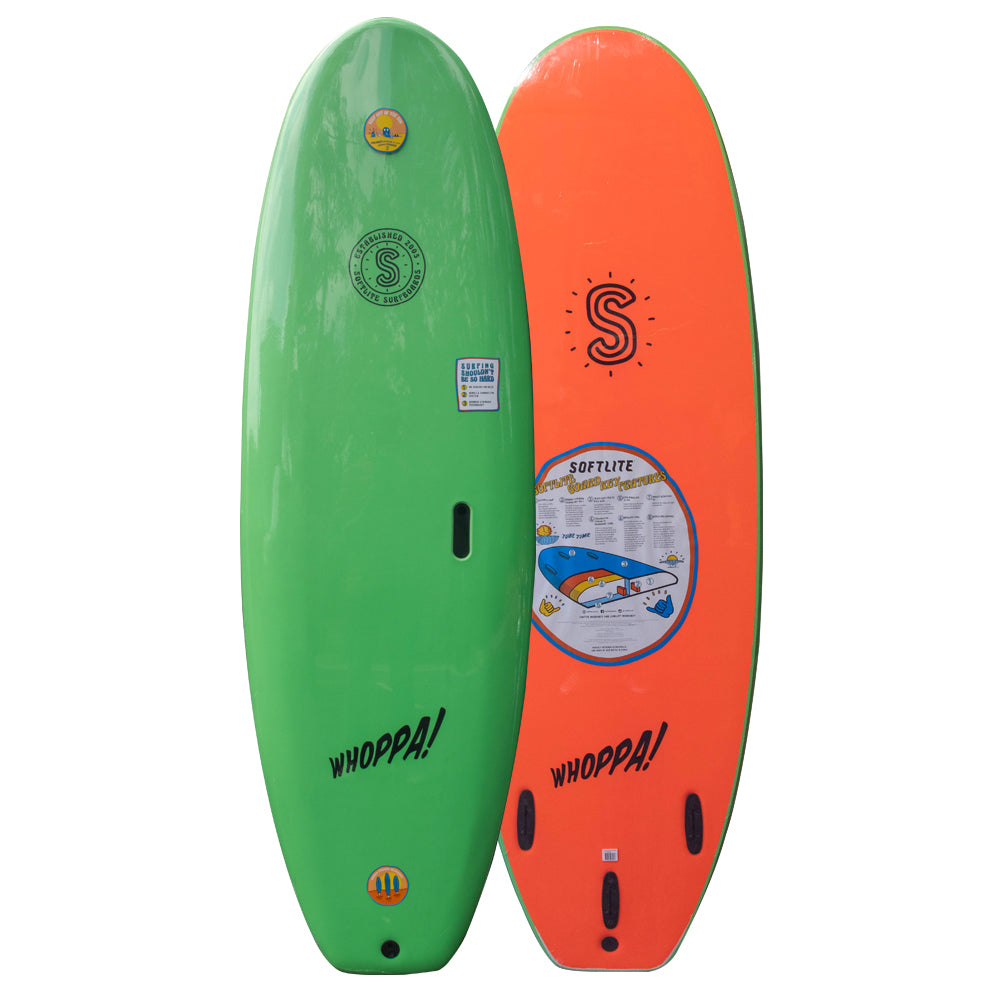
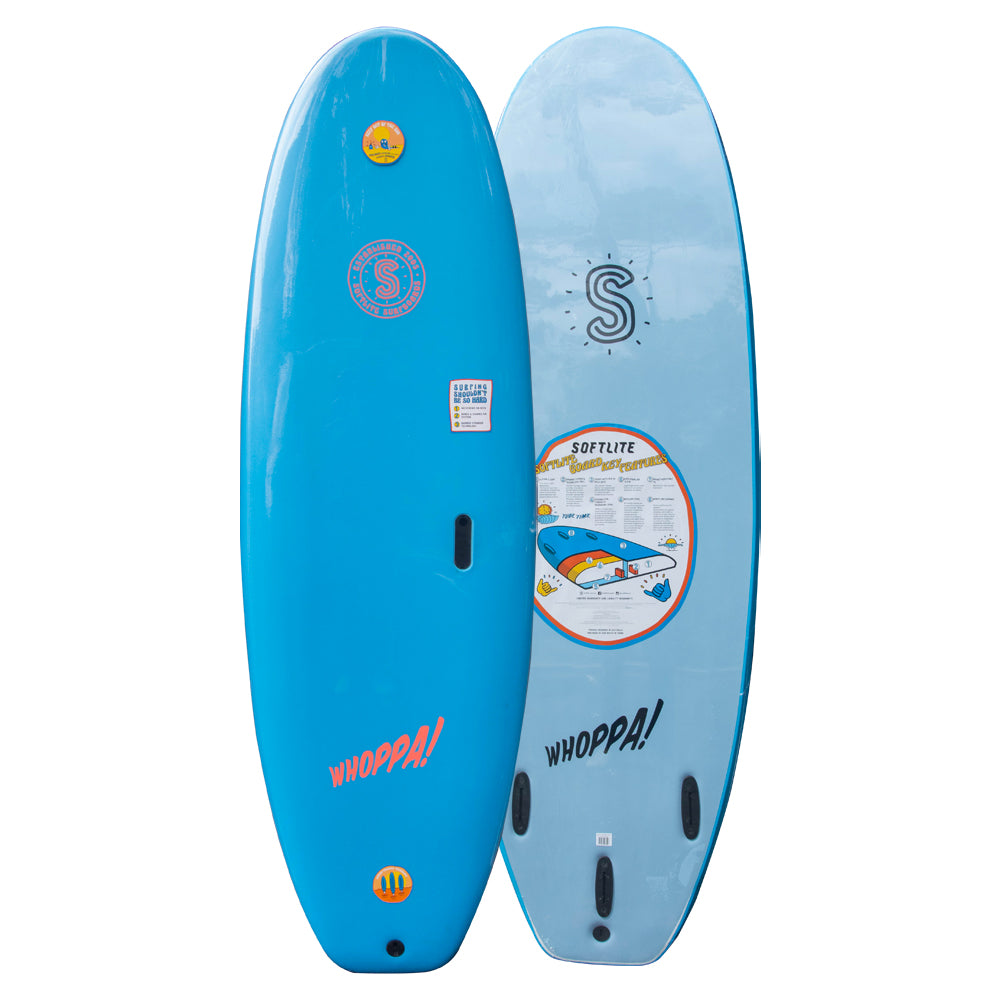
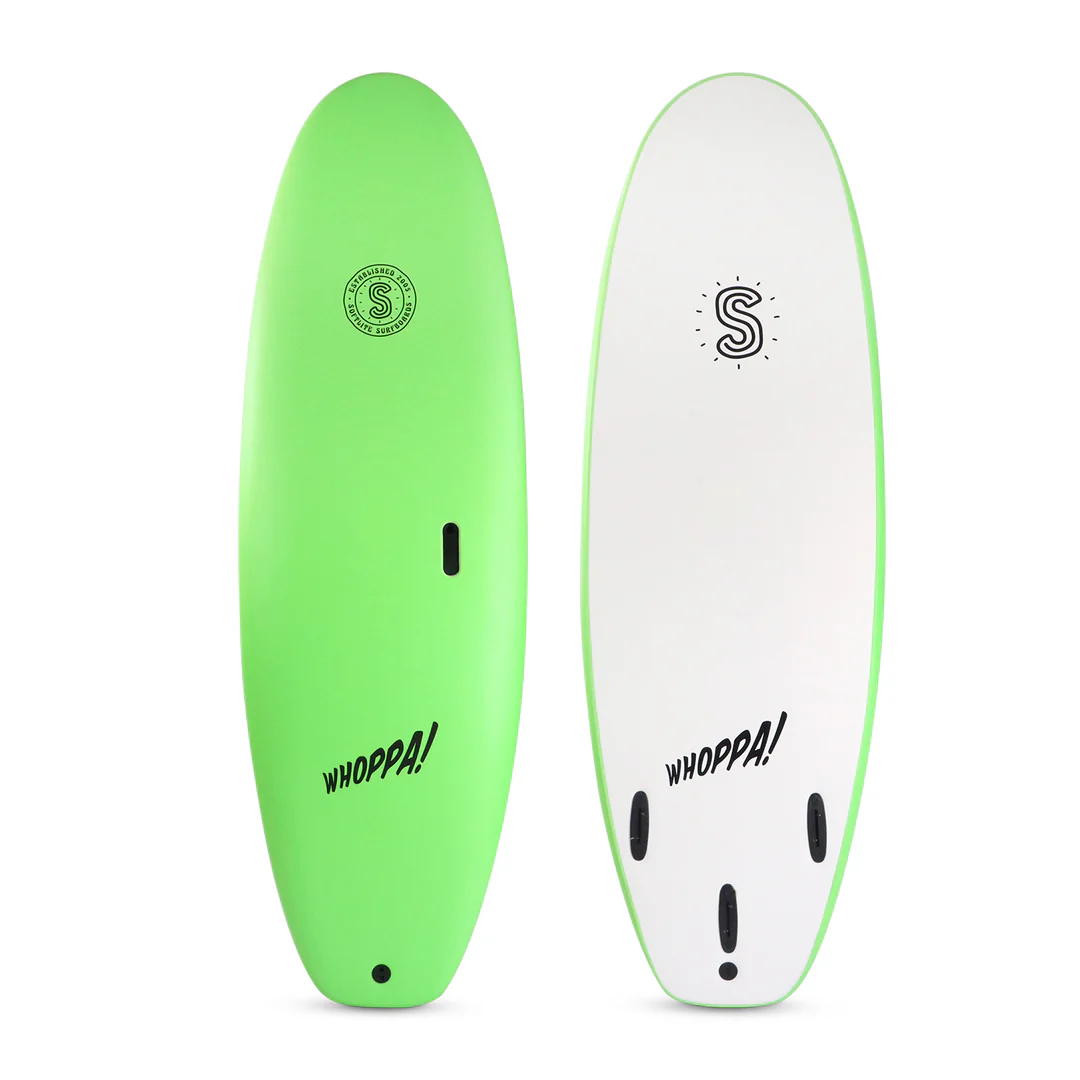
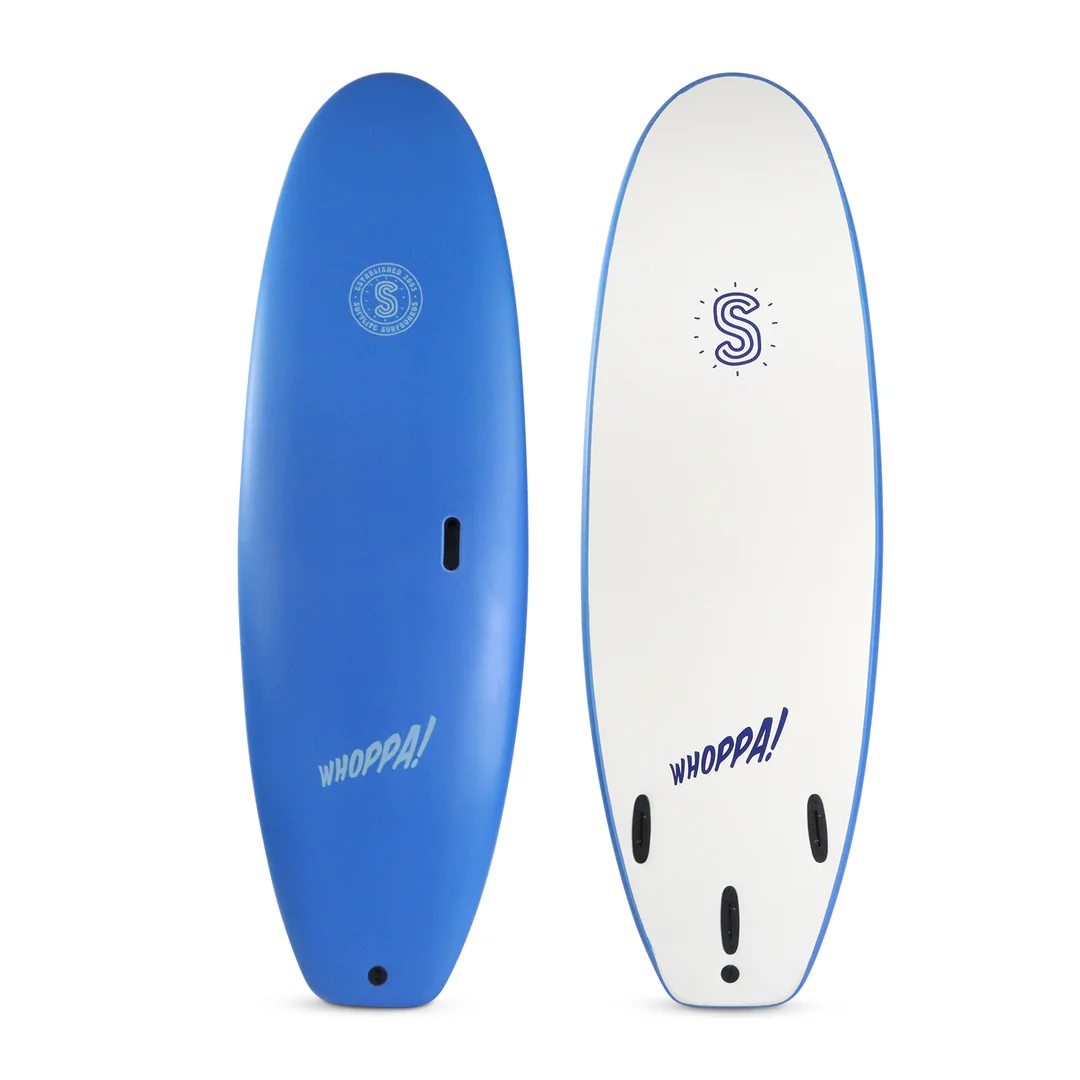
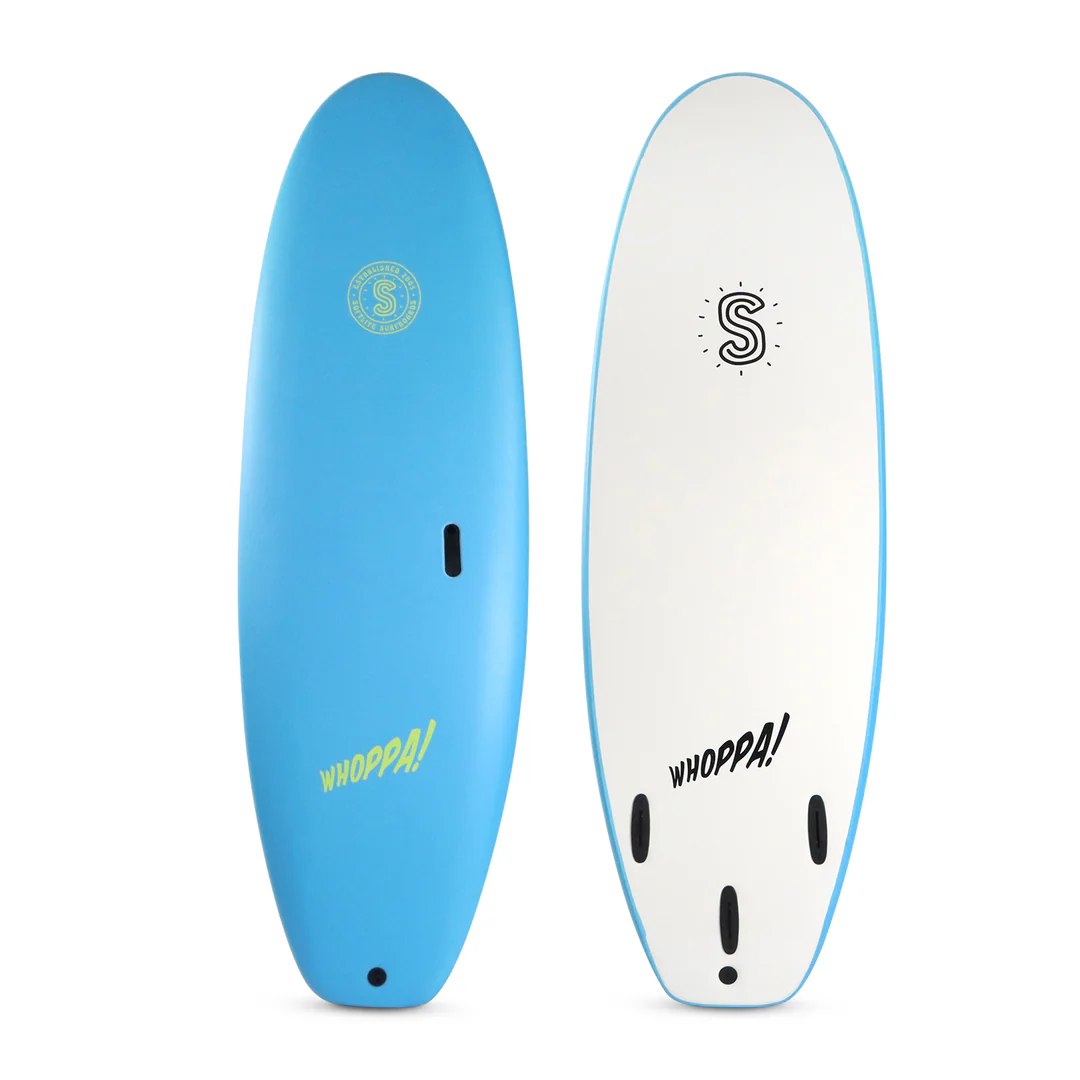
Your board is the first lever of progress. To start out, nothing beats a foam board, wide, thick and stable: it forgives mistakes and makes standing up much easier. Add a leash and a wetsuit matched to the water temperature. To pick the right size and volume, follow our complete guide to choosing a foam surfboard, which covers a beginner’s whole kit.
Understanding the ocean and the waves
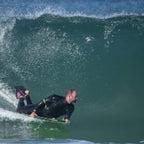
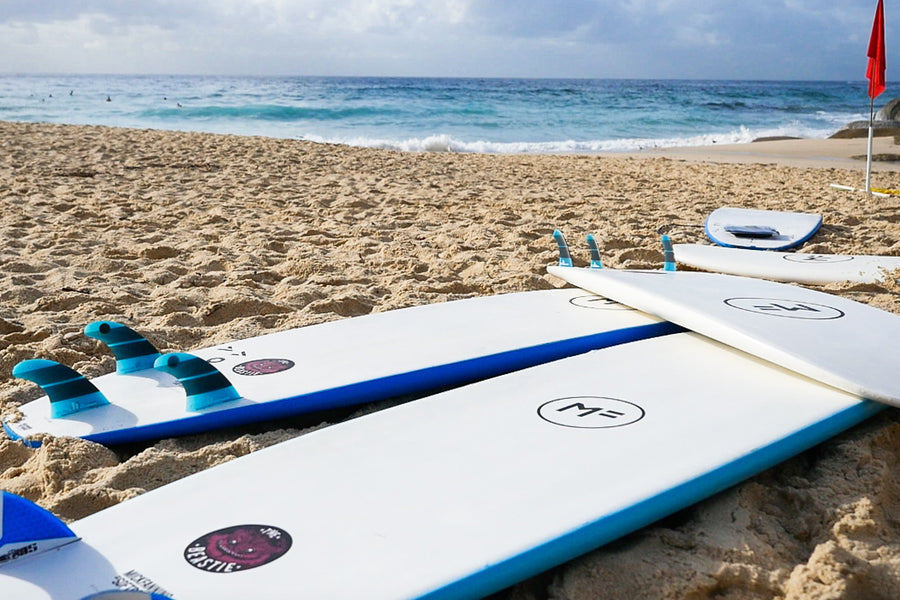
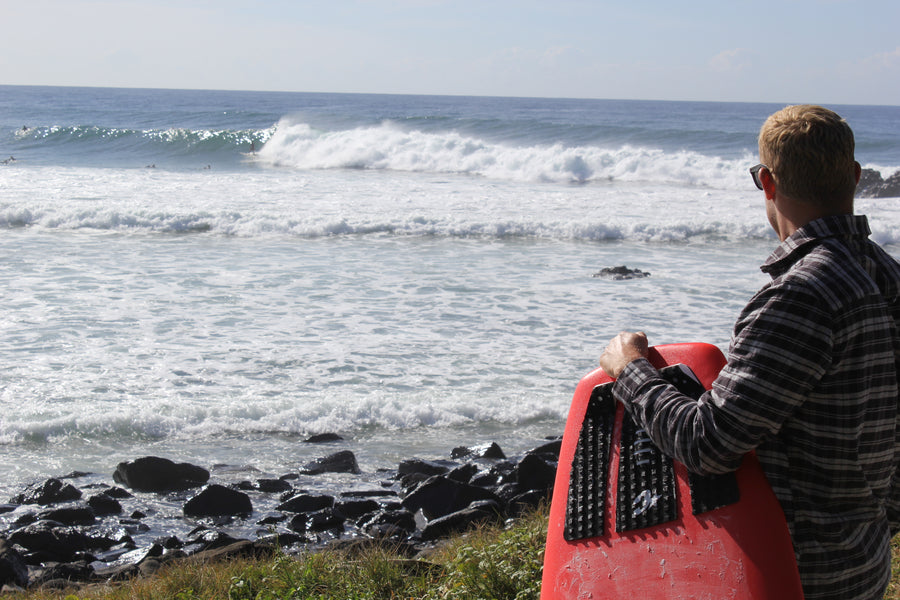
Before you jump in, learn to read the water: watch from the beach for five minutes to see where it breaks, where it is calm enough to paddle out, and which way the current runs. As a beginner, aim for waves under a metre and light or offshore wind, which holds the wave clean. Always start in the whitewater, the broken white part of the wave, which stays stable and easy to catch.
Reading a surf forecast
A good spot is not enough: its conditions change every day with the weather. Before each session, check the surf forecast on a site like Surfline or Magicseaweed. Four things matter: wave height, the period, meaning the seconds between two waves, the longer it is the bigger and more powerful the waves, the swell direction and the wind. Offshore wind holds the wave clean, onshore wind messes it up. As a beginner, aim for a small swell, a short period and light wind.
The four basic skills
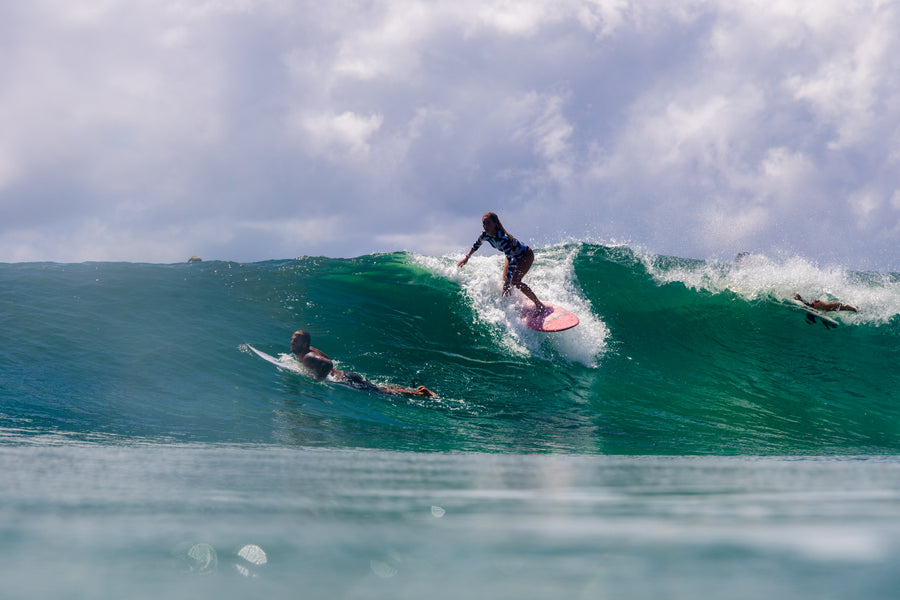
Surfing a wave is four skills strung together. Paddling gets you to the peak and builds your speed. Then comes your position on the board, not too far forward or you bury the nose, not too far back or you go nowhere. The pop-up, going from lying down to standing, is the key move that unlocks everything else. Then comes your line on the wave. Each of these has its own detailed guide, gathered below.
Goofy or regular?
Before standing up, you need to know which foot goes forward. Left foot forward makes you regular; right foot forward makes you goofy. To find out, ask someone to push you gently in the back: the foot you put out first to catch yourself is your front foot. Careful though, your skate or snowboard stance does not always predict your surf stance.
Choosing a beginner spot
A good beginner spot is a sandy beach with no rocks and soft waves, ideally with a surf school or other surfers around. The beach breaks of the Atlantic coast and the Landes are perfect for that. Stay away from points and reefs while you are learning: hard bottoms and hollow waves do not forgive.

Lessons or self-taught
You can learn on your own, but a few school lessons at the start will save you a huge amount of time: safety, positioning and pop-up corrected on the spot. Either way, respect the right of way rules: the surfer closest to the peak has priority, and you never paddle in front of someone already riding. Never let go of your board and find out about the currents at the spot.
Getting your body ready
Surfing is a full-body, physical sport. Paddling mostly loads the shoulders and the back, and plenty of beginners are wiped out after thirty minutes in the water. Turning up in decent shape changes everything: you catch more waves and you improve faster. Swimming, front crawl in particular, is still the best preparation. A few lengths in the pool before your surf trip will make a real difference.
How long it takes to improve
It all depends how often you go. Surfing regularly on foam, you catch your first proper waves within a few sessions and start turning after a few months. The secret is not talent, it is the number of waves caught: the more you are in the water, the faster you improve. For the detail of each stage, see how long it takes to learn to surf on a soft-top.
What size foam surfboard do I need?
Enter your weight and experience level and we will suggest the soft-top length and volume that will get you standing up fastest.
A guideline to get you started. If you are between two sizes, size up: more volume means more stability and more waves caught.
Frequently asked questions
Is surfing hard to learn?
Yes at first, it is a technical and physical sport. But on foam and in small waves, you get real enjoyment from the very first sessions.
How do you get started in surfing?
A foam board, small waves, a sandy spot and ideally a few lessons to fix your pop-up.
Which waves should a beginner surf?
Always start in the whitewater, the broken white wave near the shore. It is stable and easy to catch, unlike a hollow wave.
Can you learn to surf at 40?
Yes, there is no age limit. With a bit of water confidence and regular sessions, people learn perfectly well at 40 or 50.
The essentials
To get off to a good start: a foam board, small waves, a sandy spot and regular sessions. The pop-up is the move that unlocks everything, the rest comes with time in the water. Start by choosing the right gear.
Choose my boardEvery skill has its own step-by-step guide. Follow the order or dip in wherever you need to.
Go further
Paddling
The engine of surfing: position on the board, arm stroke and rhythm. Read the guide
Reading waves
Watching the water, telling waves apart and picking the right one. Read the guide
Line-up etiquette
Where to sit and the right of way rules to respect in the water. Read the guide
Pop-up
The key move: going from lying down to standing on the board. Read the guide
Bottom turn
Your first manoeuvre: the turn at the bottom of the wave that gives you speed. Read the guide
Improving
The three stages of progress and realistic timeframes. Read the guide
Choisir sa planche
Le volume, la taille et la forme adaptés à ton gabarit et à ton niveau. Lire le guide