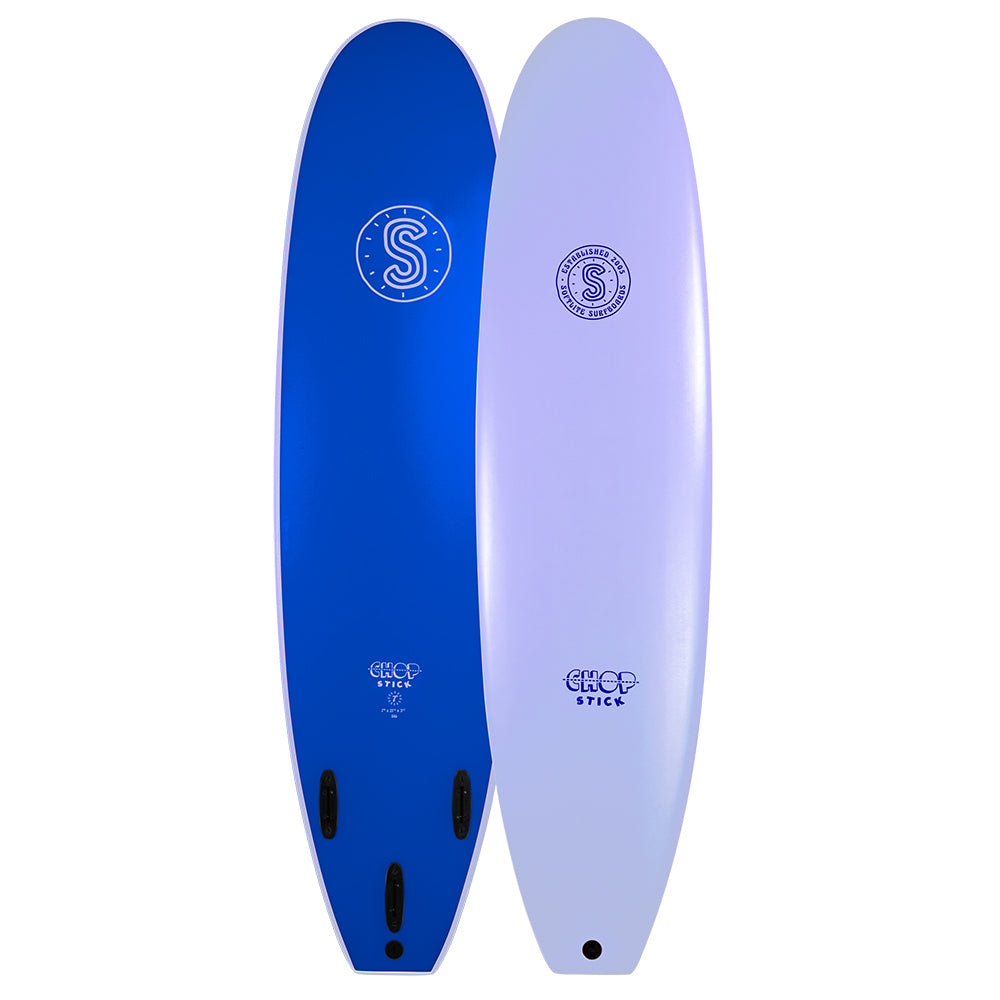
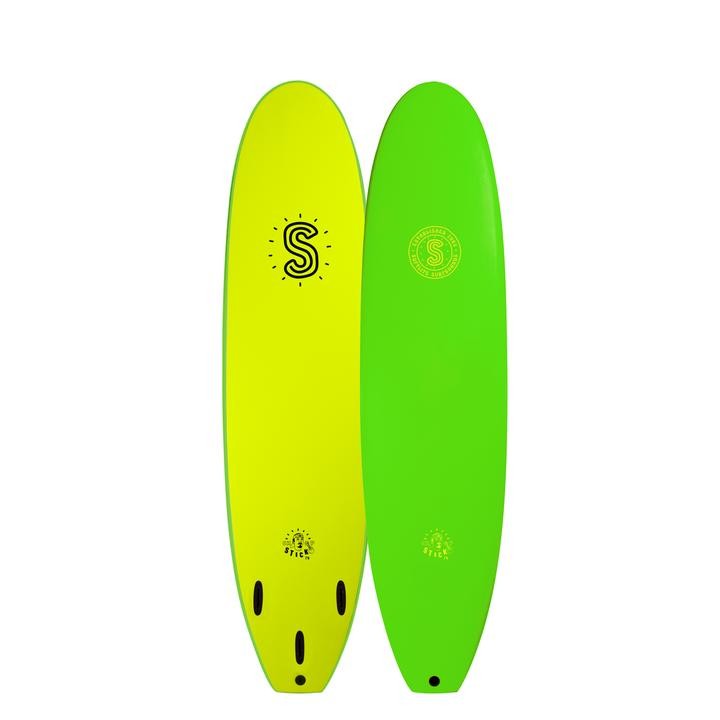
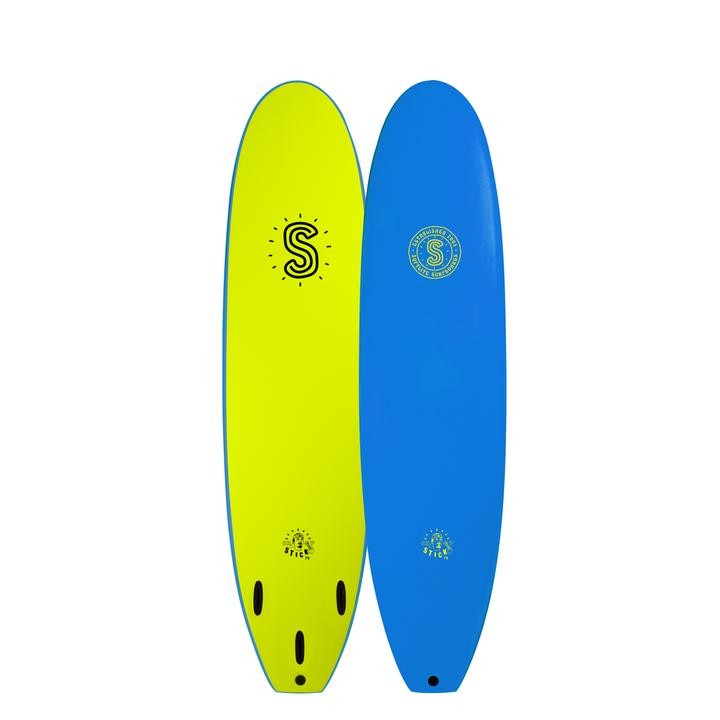
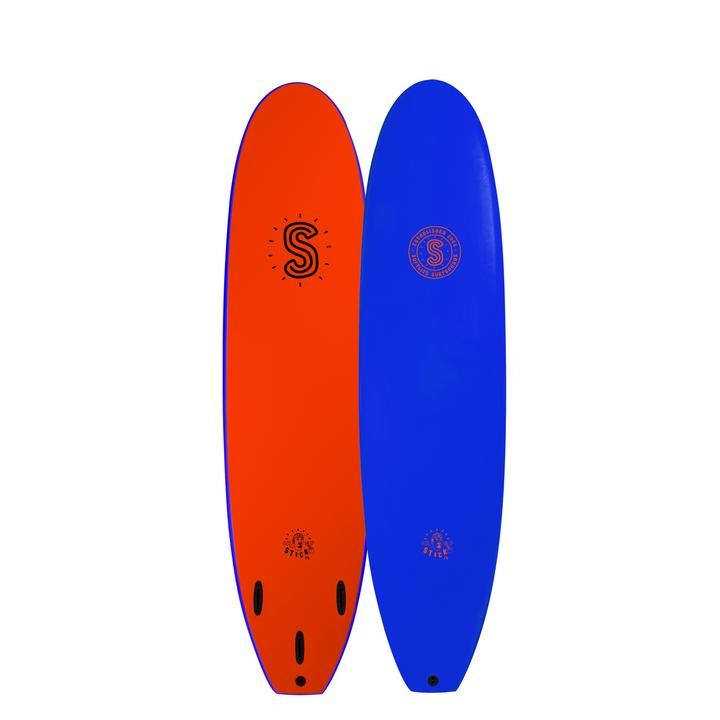
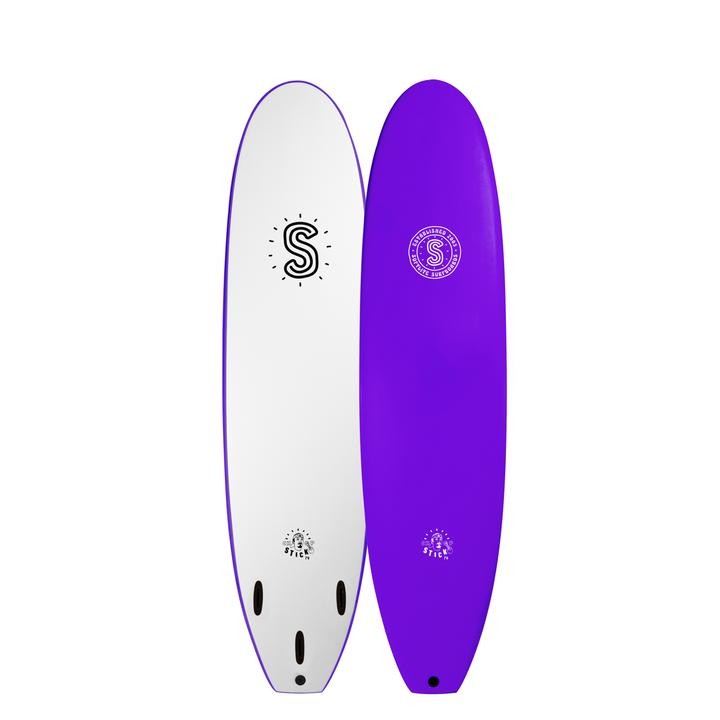
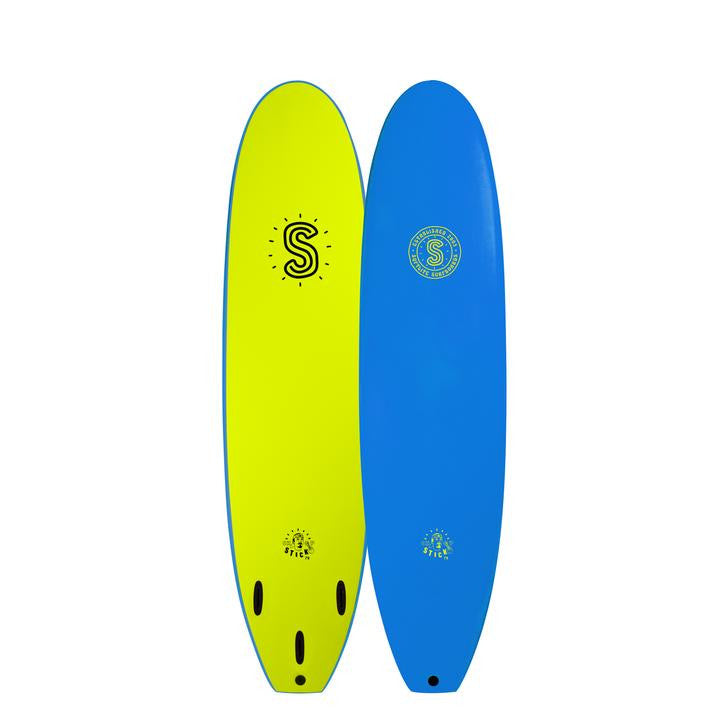
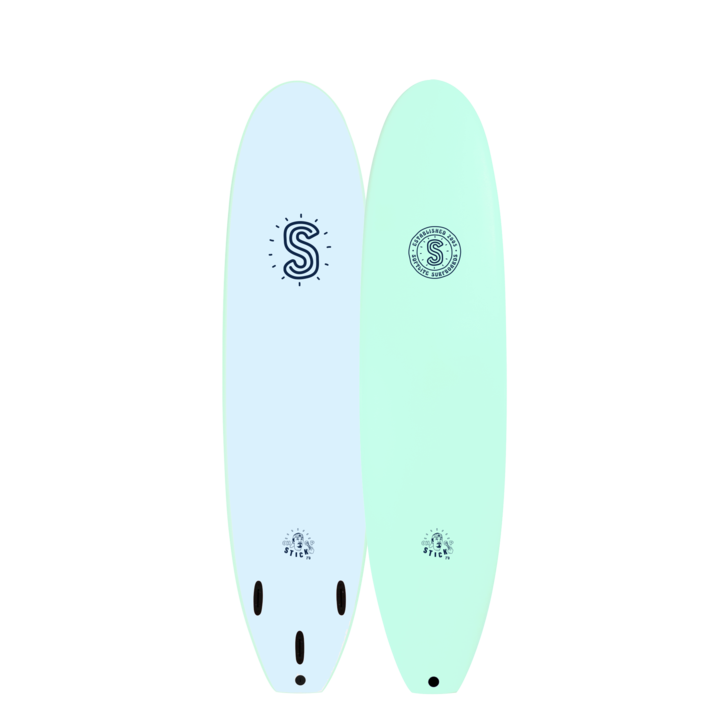
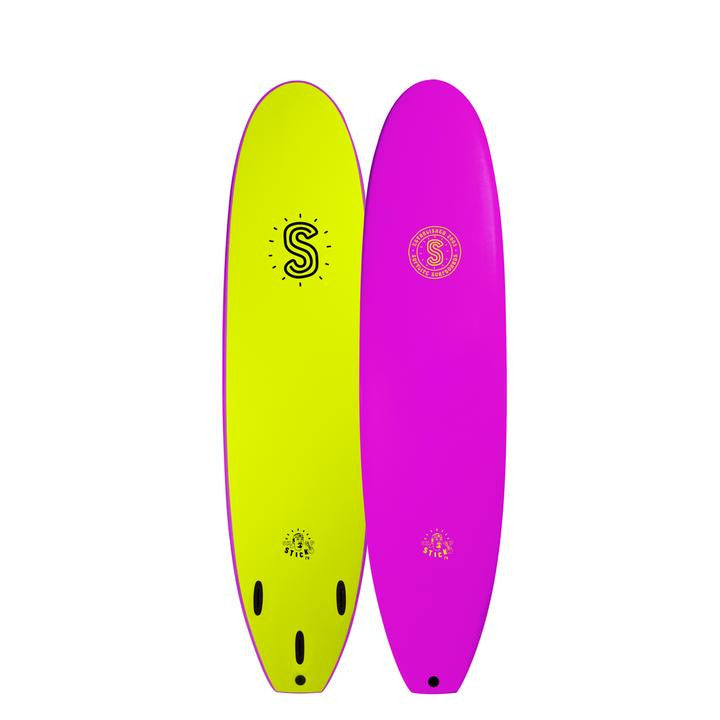
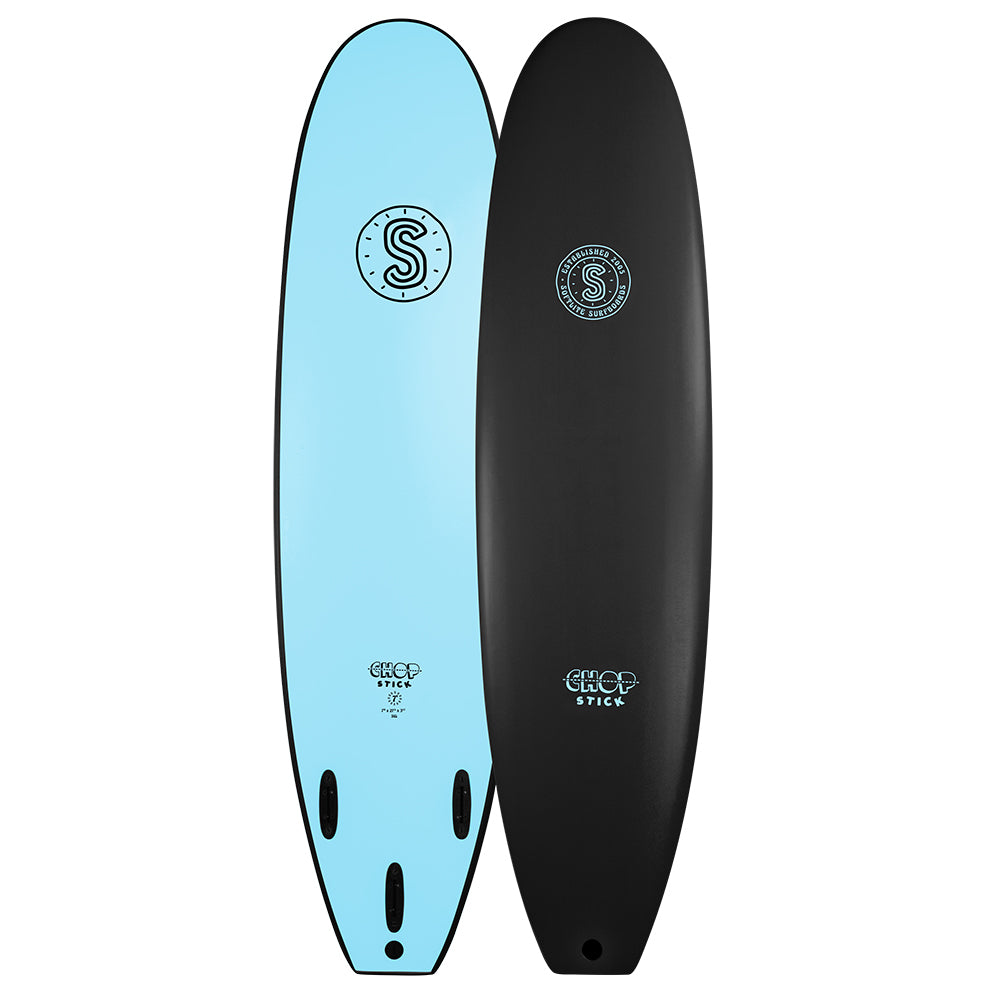
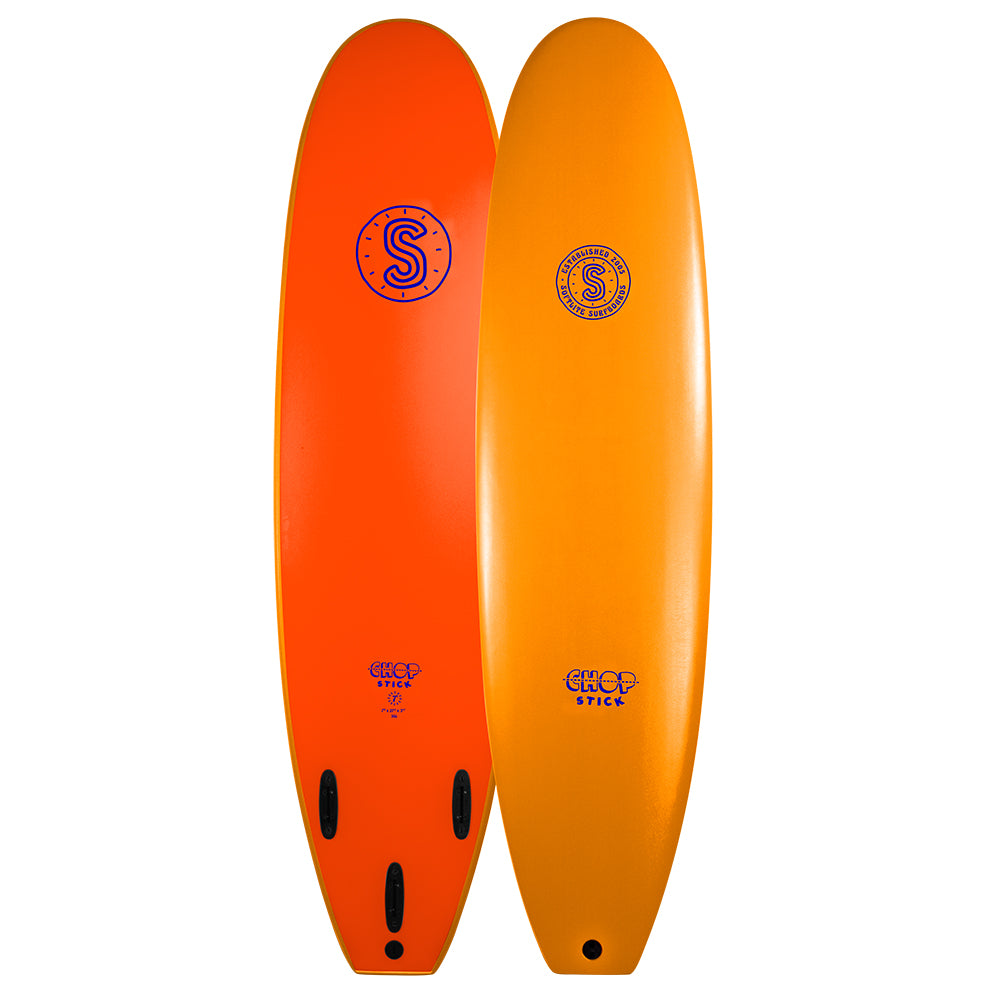
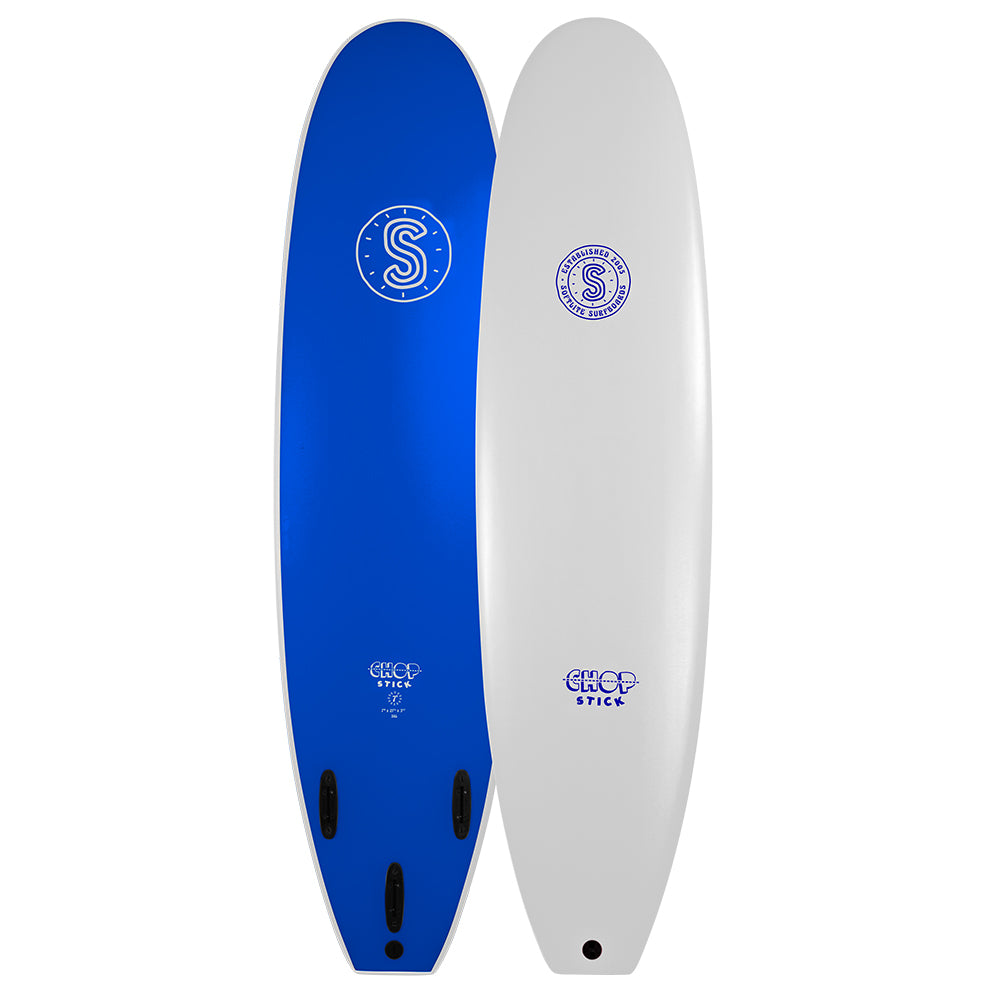
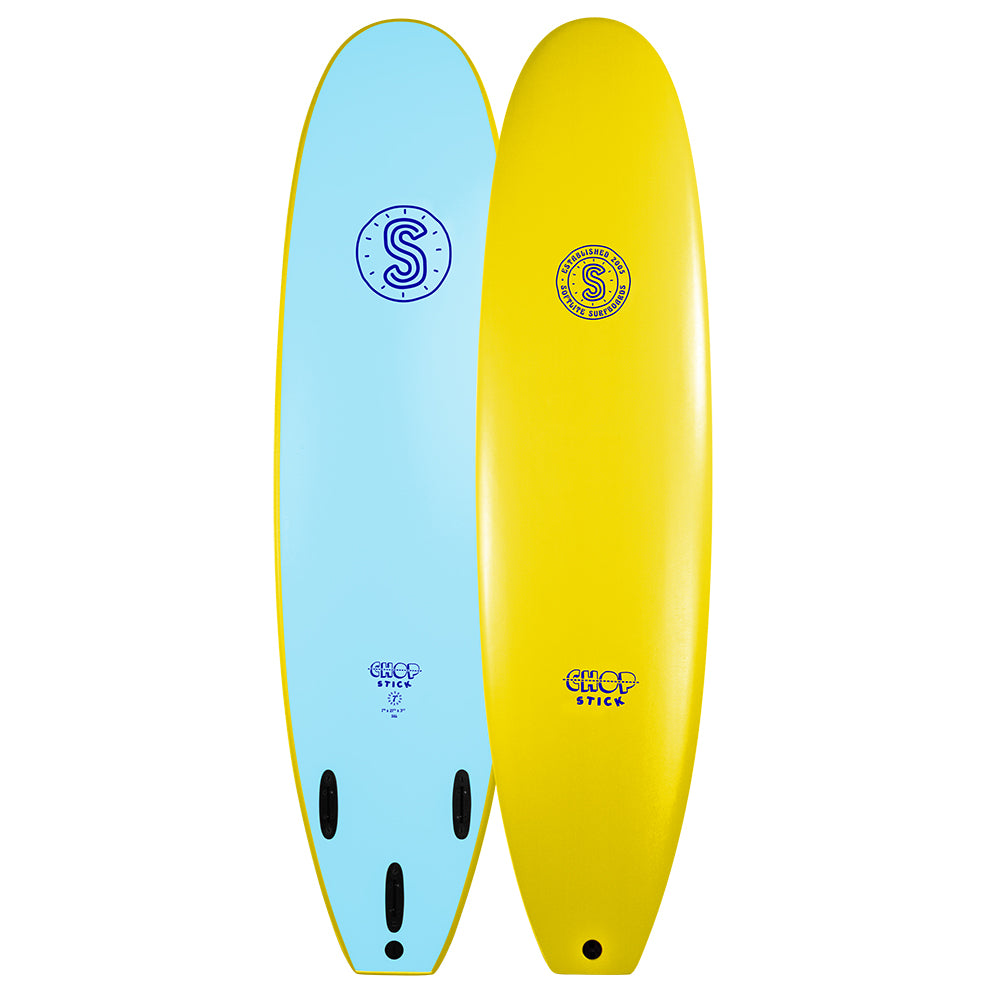
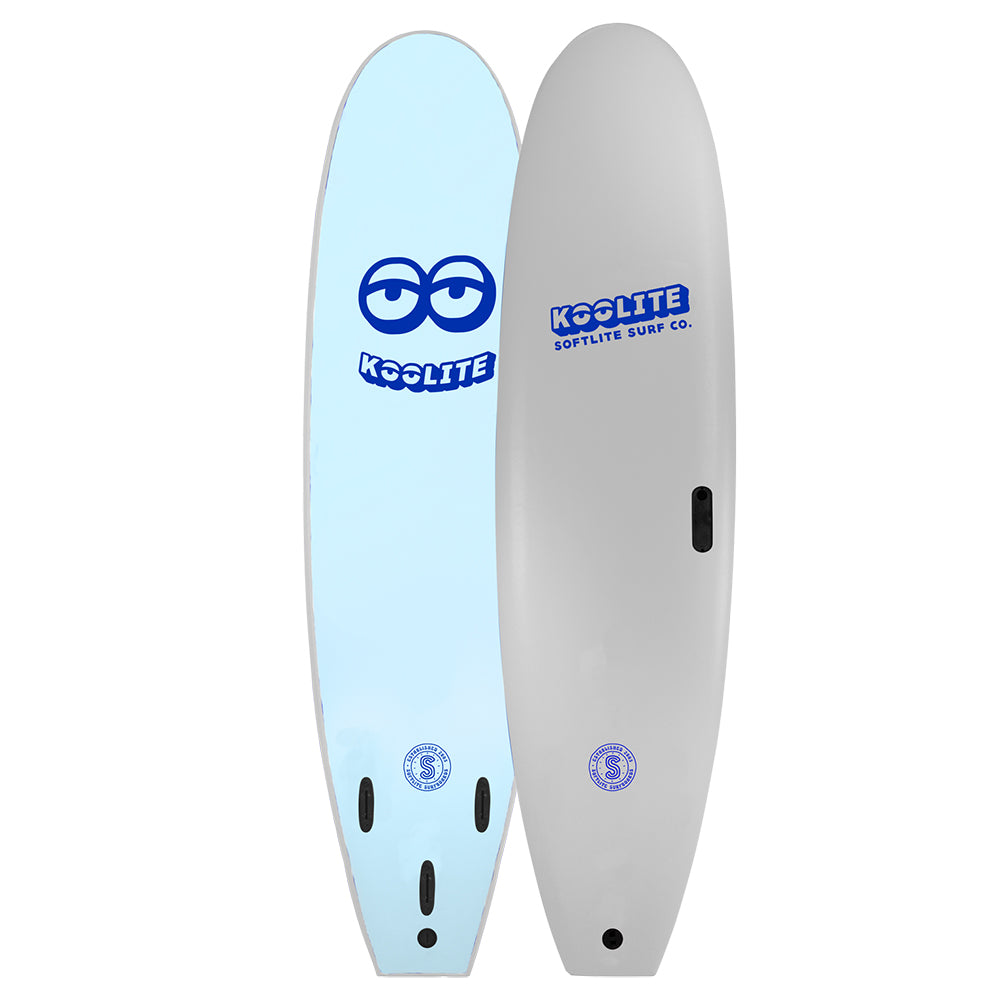
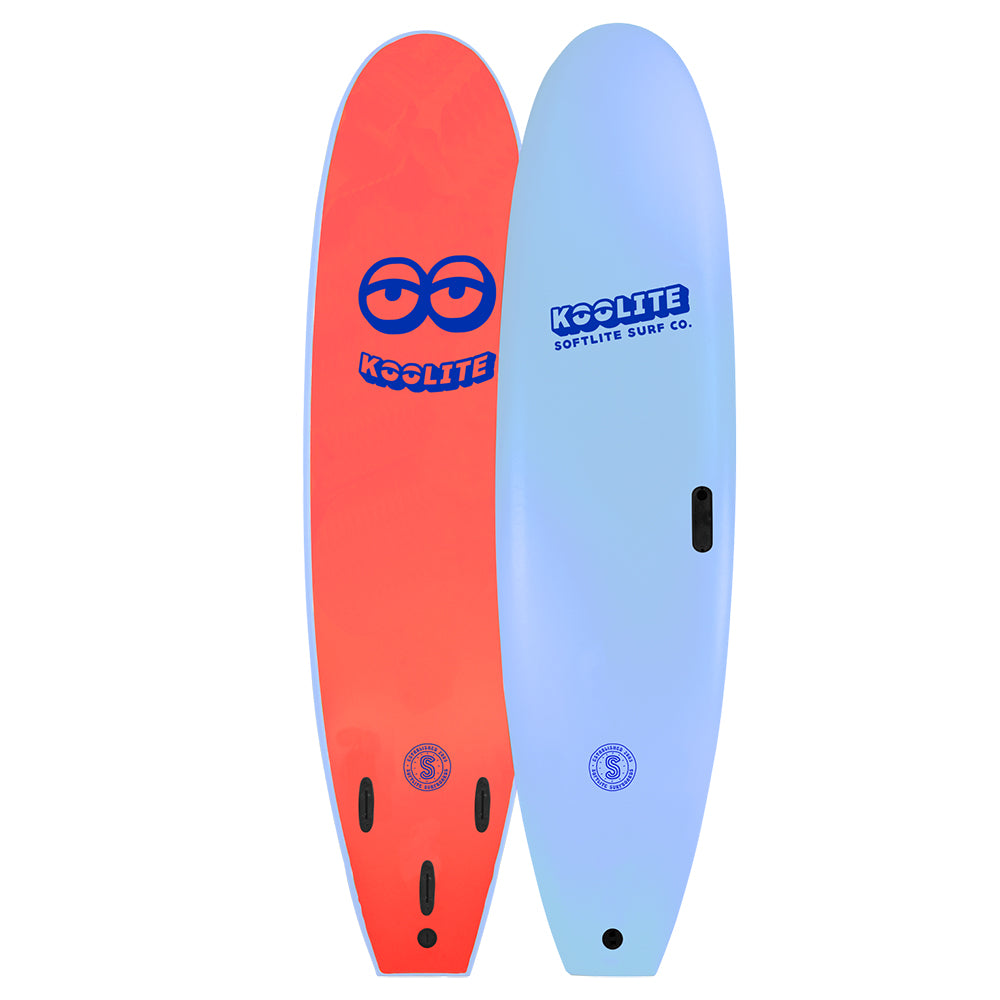
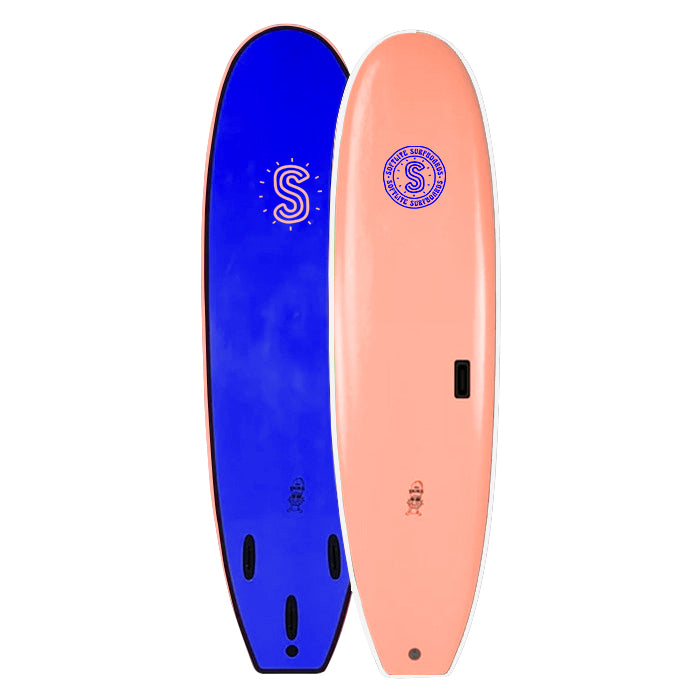
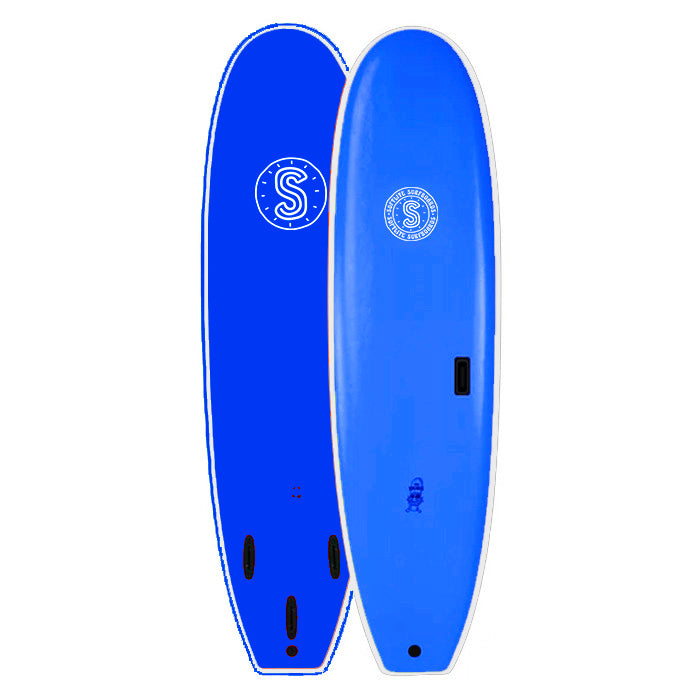
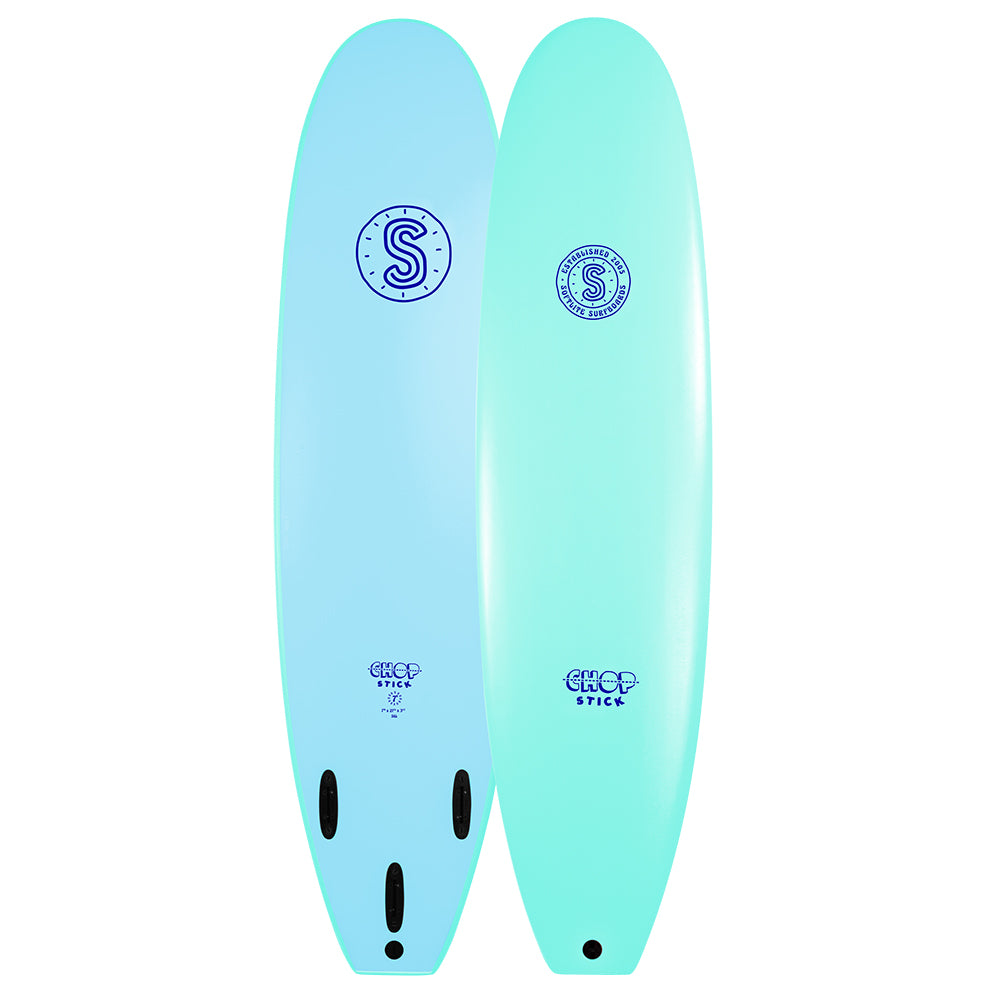
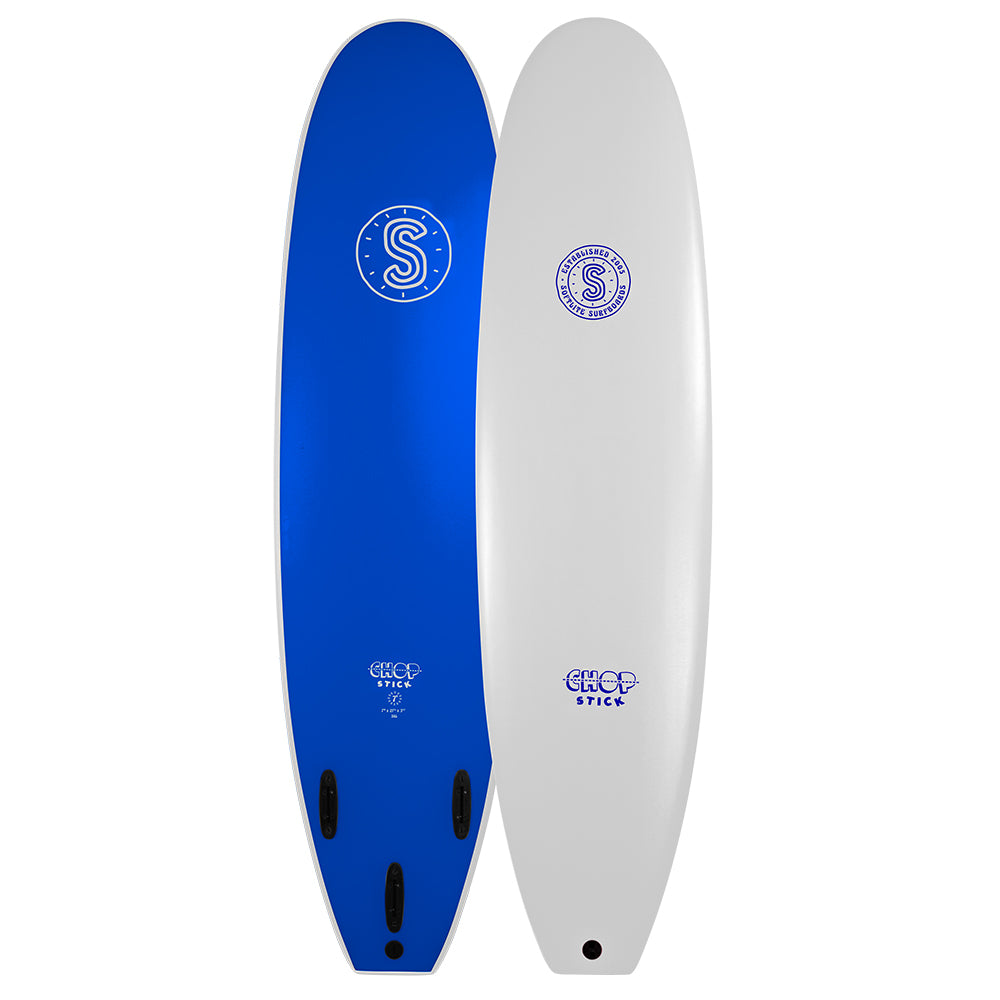
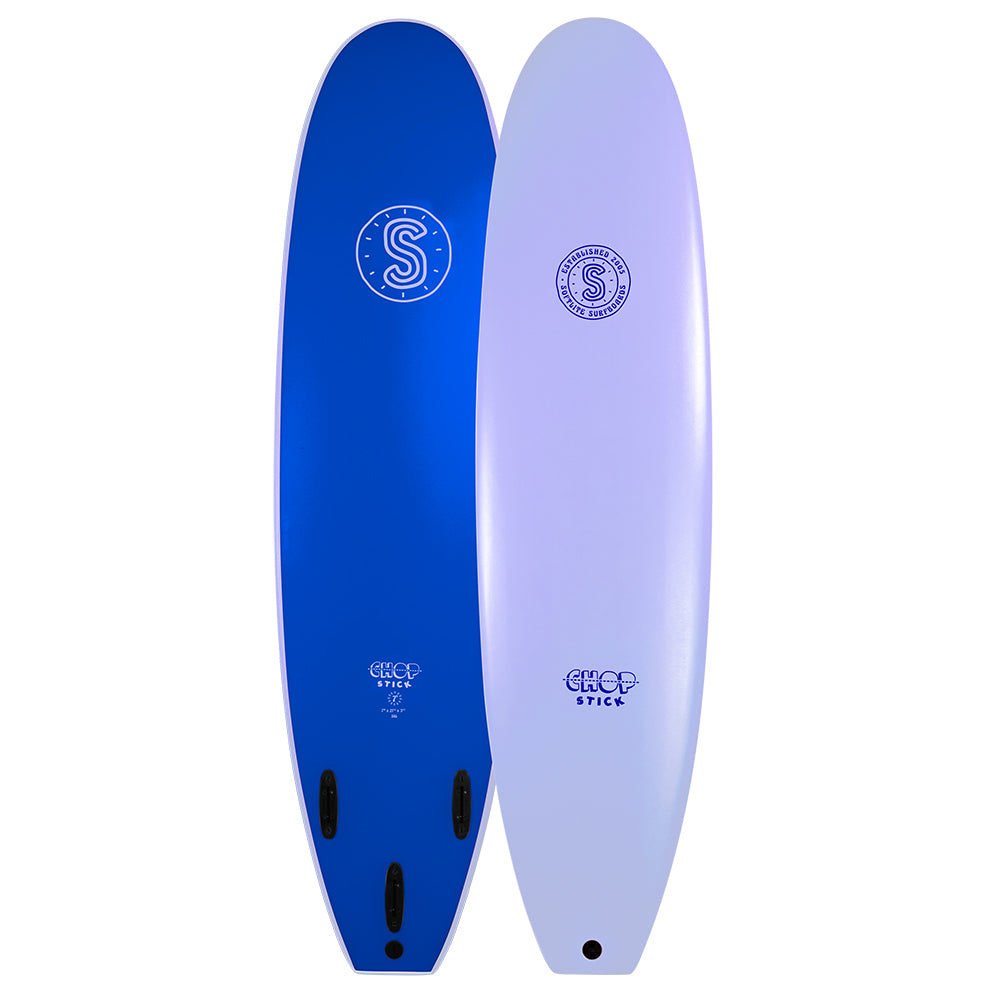
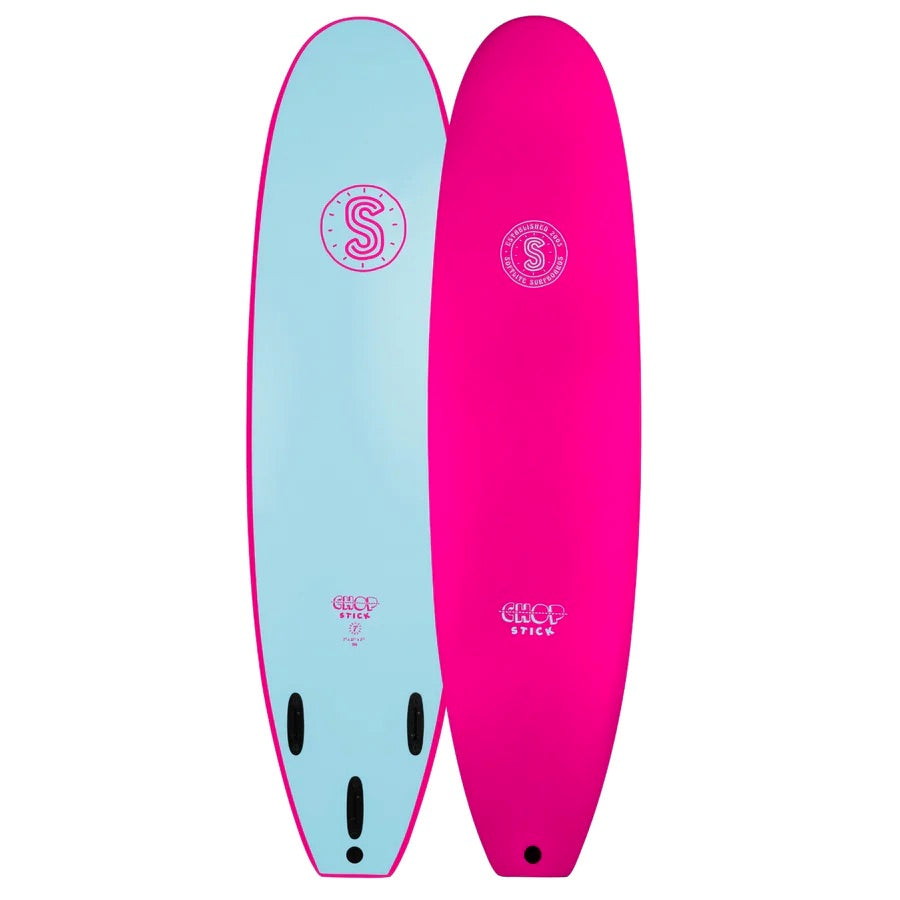
How to choose your surfboard?
The complete guide to finding the board that will actually make you better.
Picking your surfboard is the decision that shapes everything else: how fast you improve, how much fun you have, and whether you can surf the conditions in front of you. The wrong board makes paddling a chore and the take-off a lottery. The right one buys you stability and confidence from your very first sessions.
Four things decide it: your height, your weight, your level and the waves you actually surf. Foam boards, better known as soft-tops, are the safest answer for anyone learning or rebuilding confidence.
Choosing a surfboard for your height
Height matters more than people expect. The taller you are, the more length and volume you need to stay stable. That goes double for beginners, who want a board that paddles easily and forgives a sloppy take-off.
Rough guide:
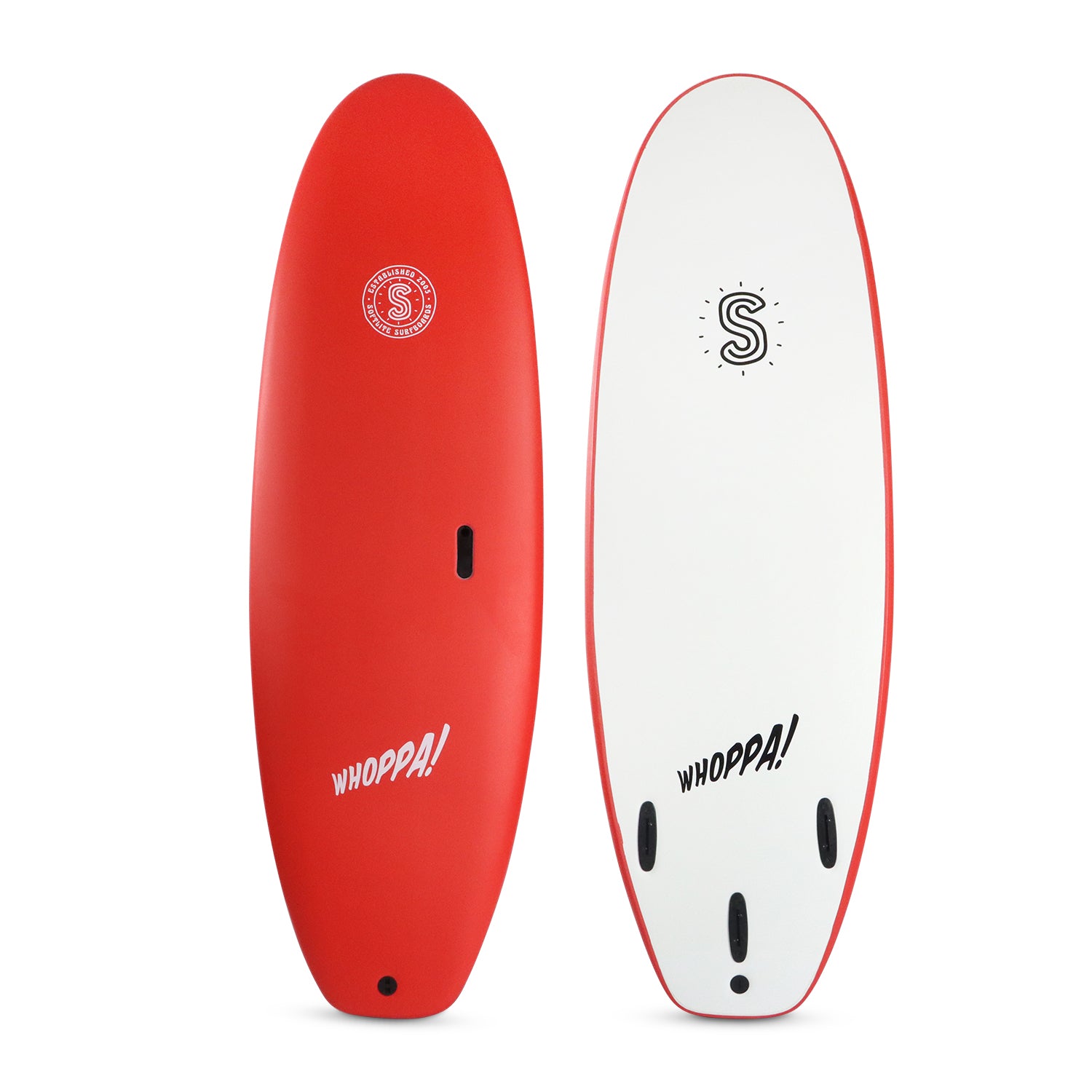
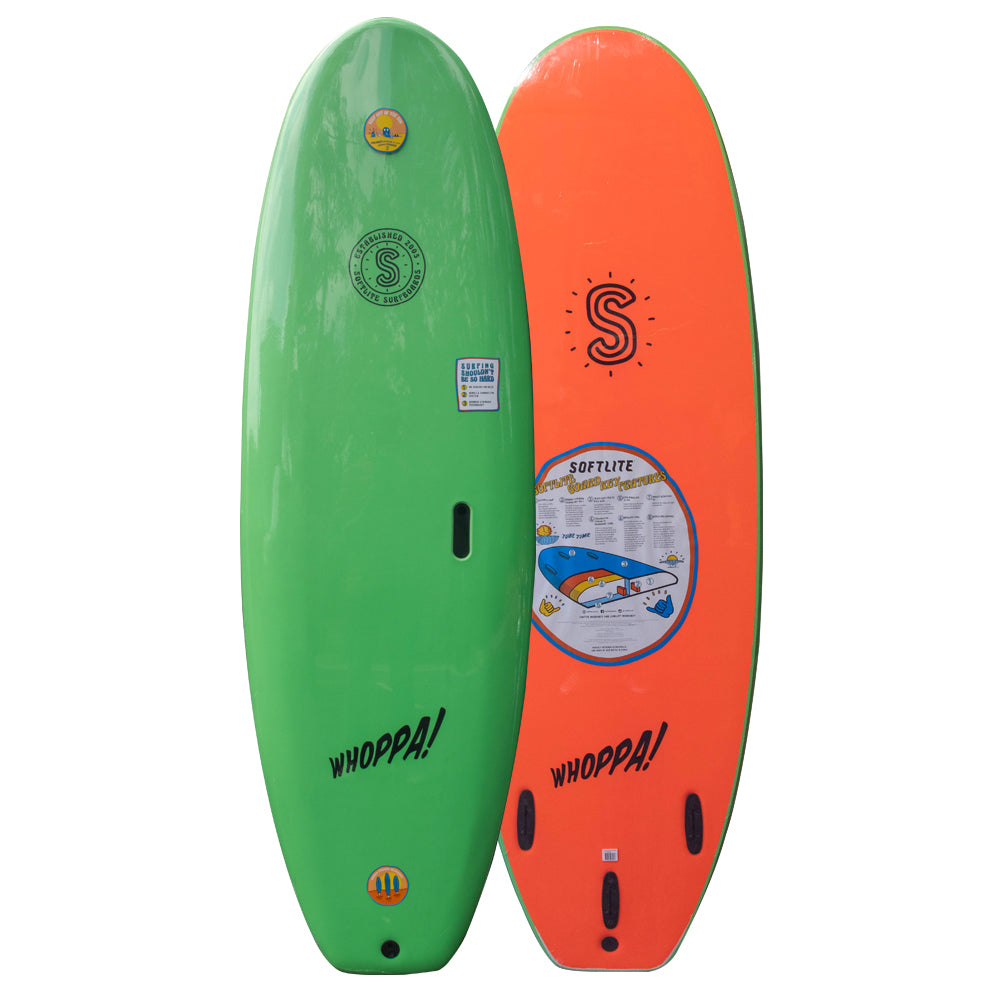
- Smaller beginner: 6ft to 7ft soft-top
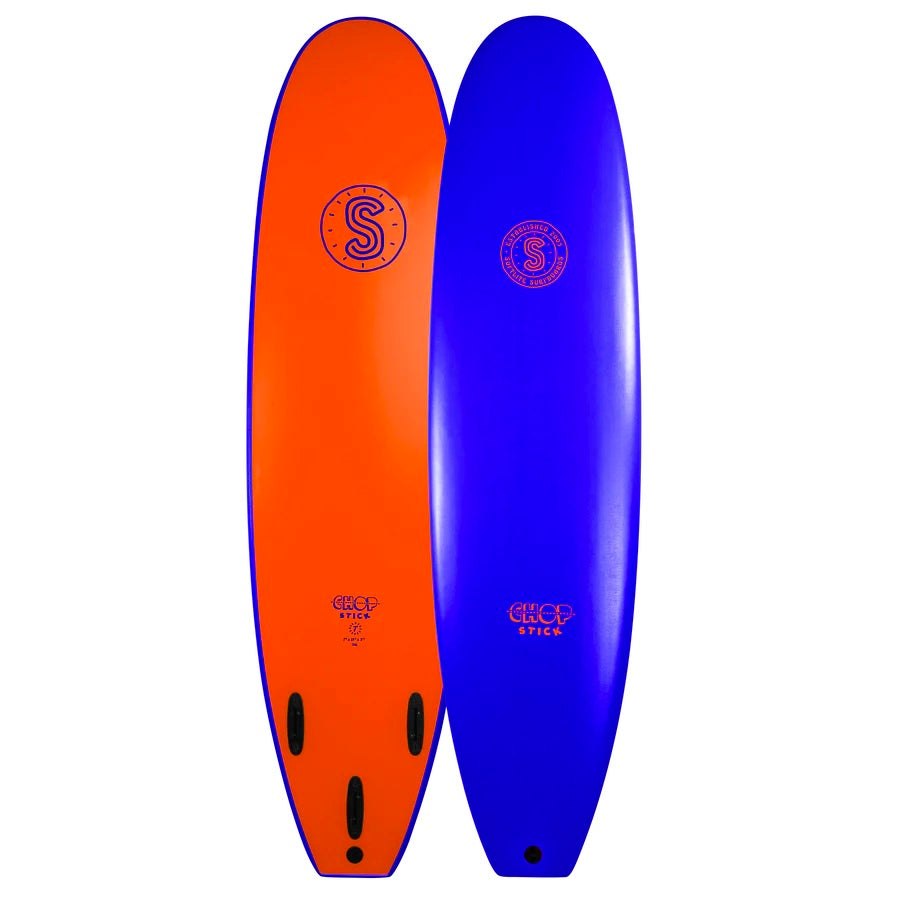
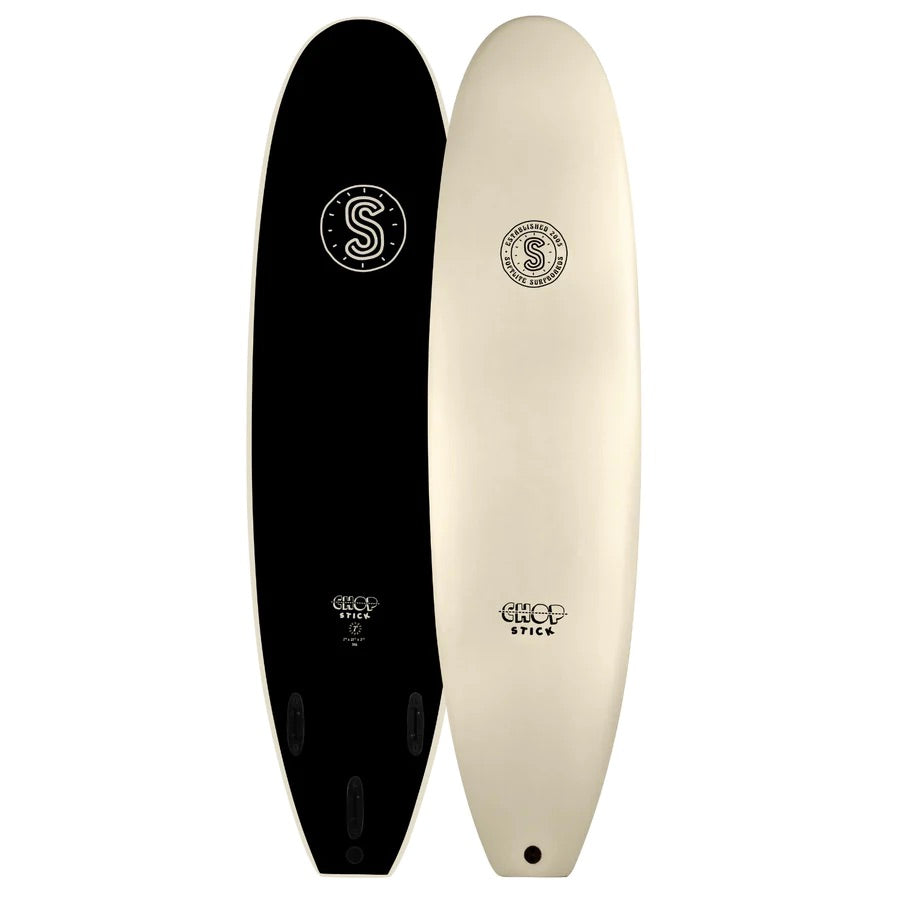
- Average to tall: 7ft to 8ft soft-top
- Tall, or complete beginner: 8ft and up

A wide, high-volume soft-top spreads your weight and gives you a far better platform to stand on. Epoxy boards can run slightly shorter for the same level, but they punish mistakes.
Choosing a surfboard for your weight
Weight is the single most important number. A board has to float you well enough to paddle efficiently. Short on volume and it sinks, drags, and turns every wave into a fight.
Volume is measured in litres: the heavier you are, the more you need. A thick, wide, generous soft-top will always be more forgiving than something thin and narrow.
A useful benchmark: an 8ft soft-top suits most adult beginners. It balances stability, float and paddle speed, which means more waves caught and faster progress.

Why choose a soft-top?
Safety
Soft foam construction that sharply reduces the risk of injury, for you and for everyone around you. It matters in busy line-ups and on every wipeout.

Stability
Width, thickness and volume that spread your weight and make balancing far easier once you are up. You stand sooner and you stay up longer.

Progress
More waves caught means more pop-ups repeated. In surfing, repetition is what builds skill. The right soft-top saves you weeks.

Accessibility
Volume helps you float, which means paddling without burning out. You position better, catch more sets, and get more out of every session.
Level and type of surfing
Your level is the other deciding factor. For a beginner, the priorities are stability, safety and catching waves easily, which makes a soft-top the obvious answer. Its foam construction limits injury risk, on wipeouts and in crowded water alike, and it lets you learn the basics with real confidence.
Intermediates can move to a shorter or higher-performance soft-top with a shape closer to a conventional board. That opens up lines, turns and wave positioning while keeping a good margin for error.
Unlike epoxy boards, which are stiffer and far less forgiving, a soft-top gives you the right to get it wrong. It absorbs bad positioning, scrappy take-offs and falls.
Wave type counts too. In small, soft waves, volume wins. In hollower or faster waves, a more manoeuvrable board earns its place. For most beginners and weekend surfers, a versatile soft-top remains the best compromise.

What size foam surfboard do I need?
Enter your weight and experience level and we will suggest the soft-top length and volume that will get you standing up fastest.
A guideline to get you started. If you are between two sizes, size up: more volume means more stability and more waves caught.
Frequently asked questions
What size soft-top for a beginner?
Most adult beginners are well served between 7ft and 8ft. The taller you are, or the greener you are, the more length and volume you want. An 8ft remains one of the best all-round choices for learning properly.
Should I start on a soft-top or go straight to epoxy?
A soft-top is almost always the better starting point. The foam limits injury risk, the volume makes paddling easier, and the shape forgives bad positioning. Epoxy is faster and more precise, but you need solid technique to get anything out of it.
When can I change boards?
Once you paddle without struggling, make your take-offs consistently and start riding down the line and turning, you can look at a shorter or higher-performance soft-top. There is no need to jump to epoxy straight away: plenty of soft-tops are built to follow your progress.
How do I know a board has enough volume for me?
Simple test: if you paddle without exhausting yourself, catch waves easily and feel steady once up, the volume is right. If paddling is a grind or the board sinks under you, you need more, which means longer, wider or thicker.
Which board for small, mushy waves?
Volume is your friend. A wide, thick, high-volume soft-top keeps gliding in weak conditions where a thin, narrow board simply bogs down. It is exactly what makes soft-tops so good in summer surf.
Can you compete on a soft-top?
Yes, there are dedicated divisions and soft-tops built for performance. For mainstream competition most experienced surfers move to epoxy, but for fun, learning and everyday sessions the soft-top is hard to beat.
Going further with your gear
The board is only part of the kit. Every other piece has its own guide.
Which board should you choose to progress?
Choosing a surfboard means balancing height, weight, level and conditions. Too small or too technical and you slow your own progress. Enough volume and you catch more waves and build confidence fast.
In short: go for volume, stability and paddle speed. A board matched to your build means more fun, faster progress and more out of every session.
See all our soft-tops