How Long Does It Take to Learn to Surf?
Everyone asks this before their first session, and the honest answer fits in one line: it depends on what you mean by surfing. Standing up once in the whitewater and going straight happens fast. Reading a wave, sitting in the right spot, going at the right moment and turning is another story. This guide breaks progress into three concrete stages, with realistic timeframes and what actually speeds things up.
Ce que veut dire apprendre à surfer
Avant de parler de délais, il faut savoir ce qu’on mesure, car chacun met un objectif différent derrière ce mot. Certains veulent juste sentir la glisse une fois, d’autres veulent enchaîner les vagues, d’autres encore veulent être autonomes à l’eau. Un surfeur autonome sait lire les conditions, choisir un spot adapté, respecter les règles de priorité et gérer sa sécurité, ce qui est déjà un niveau bien plus élevé que se lever une fois.
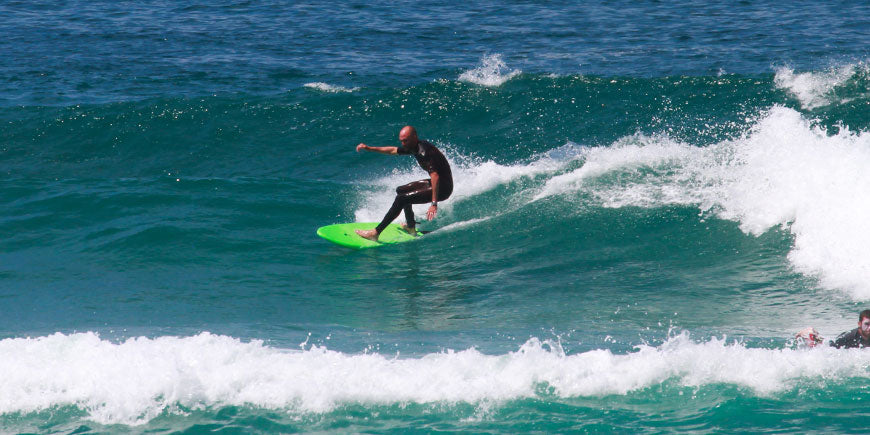
Three markers place you better than a general impression. How consistent your pop-up is: you get to your feet on most of the waves you go for, or it is still hit and miss. How independent you are in the water: you know where to sit, when to paddle, and you understand why some waves work better than others. How much control you have: you hold your balance, you no longer go straight every time, you start steering your line. When those three move together, you have genuinely learned to surf.
The three stages of progress
Learning does not happen in a straight line, it happens in stages, with plateaus in between. Here are the three every beginner goes through on a foam board.
Riding the whitewater
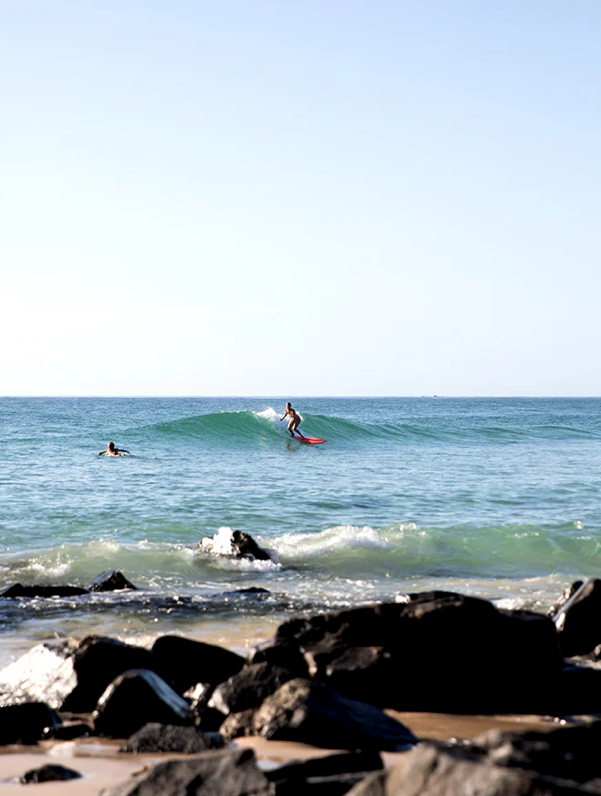
You spend your sessions in the white water, the part of the wave that has already broken. The goal is not manoeuvres, it is stacking up quality repetitions: paddling properly, being in the right place, standing up at the right moment. You get used to the ocean, the board, the salt water. Most beginners get their first ride within one to three sessions if the conditions are kind and the spot is well chosen. This stage is built on efficient paddling and a clean pop-up, the two skills that unlock everything else.
Catching unbroken waves
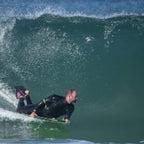
You leave the whitewater for the wave that has not broken yet. Everything changes: you have to anticipate, sit on the peak, go before the wave breaks. This stage rests entirely on reading the water and on positioning, not on strength. Expect five to ten sessions to stand up consistently, and ten to twenty before you start knowing where to sit without thinking about it. This is where reading waves and sitting in the right spot in the line-up become your two real skills.
Your first manoeuvres
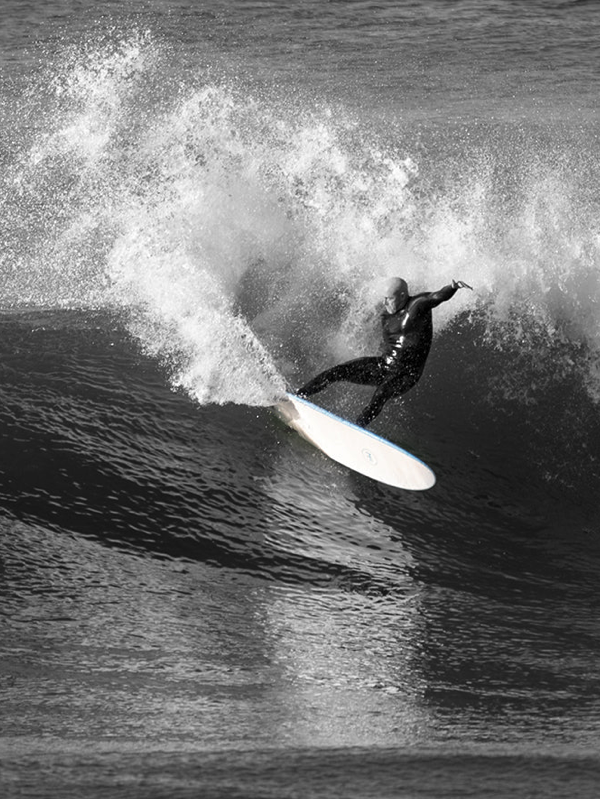
Once you are reliably catching unbroken waves, you stop going straight down the face. You take an angle, you follow the shoulder, you set your first turn at the bottom of the wave. The bottom turn is the gateway to every other manoeuvre, the one that turns the drop into speed along the wave. Expect several weeks to several months of regular practice, depending how often you surf. The move is covered in detail in the bottom turn guide.
Des repères de temps, et pourquoi ils varient autant
Ces chiffres sont des moyennes, pas des promesses. Deux personnes qui débutent le même jour progressent à des vitesses très différentes, même avec la même planche, parce que le facteur décisif n’est pas le talent mais le nombre de vagues prises. Quelqu’un qui prend vingt vagues par session progresse bien plus vite que quelqu’un qui en prend trois, tout simplement parce que chaque vague est une répétition.
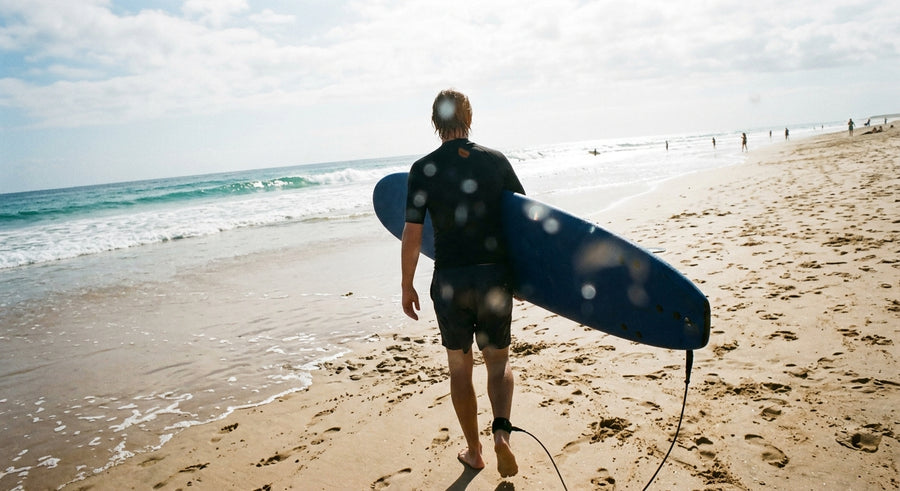
Frequency weighs heaviest. Surfing three times a week is nothing like one session a fortnight: body and brain hold on to the feeling when the repetitions are close together. Then come the conditions, because waves that are too big or too fast mechanically cut down your successful attempts. Fitness helps with paddling and stamina, but it never makes up for bad positioning. Finally, a lesson or two at the right moment stops you baking in faults you will later have to unlearn.
Pourquoi les softboards accélèrent la progression
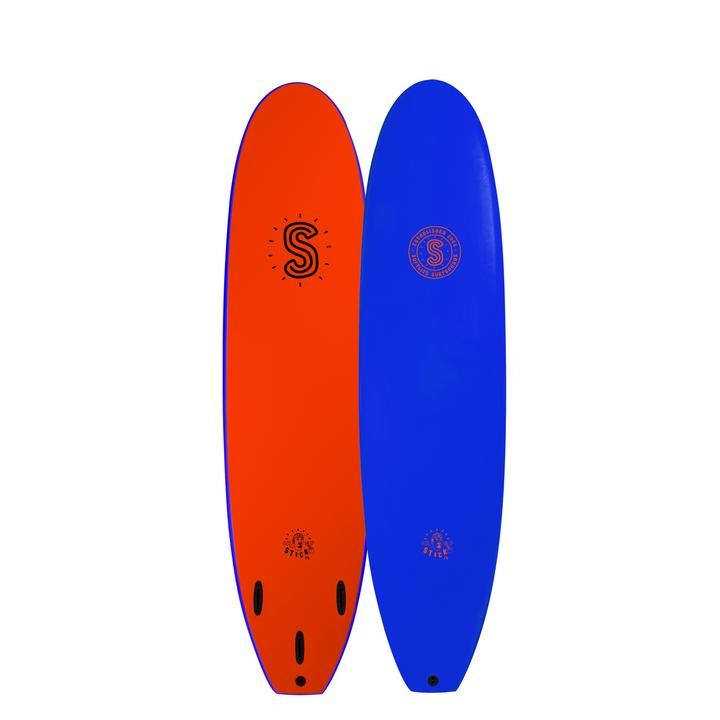
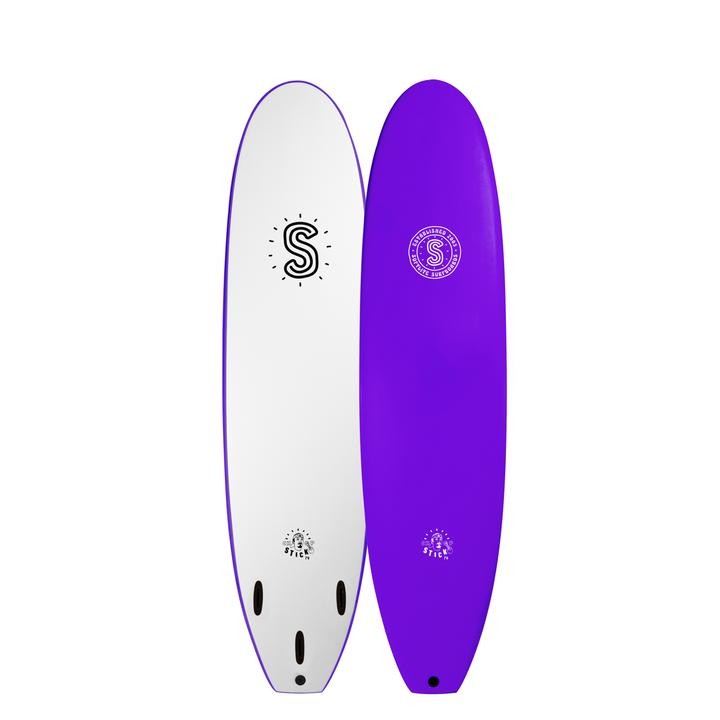
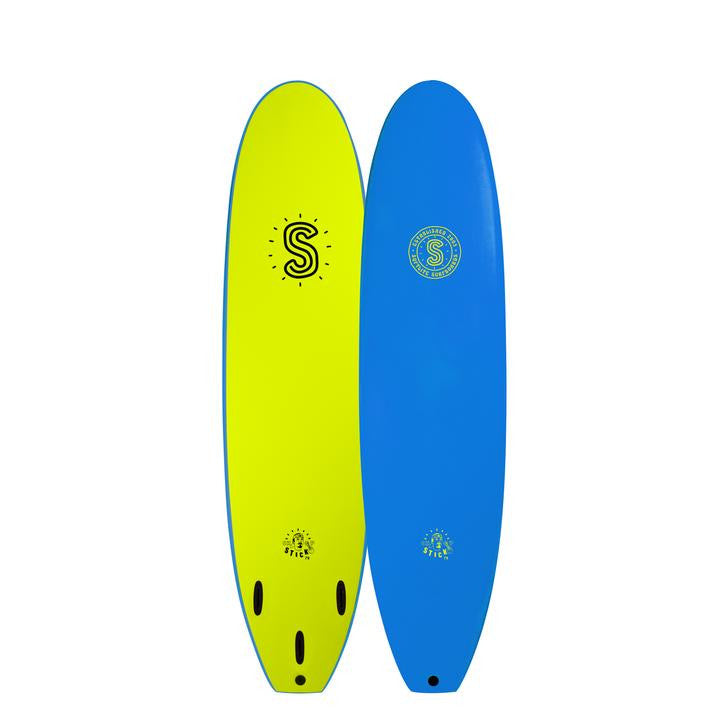
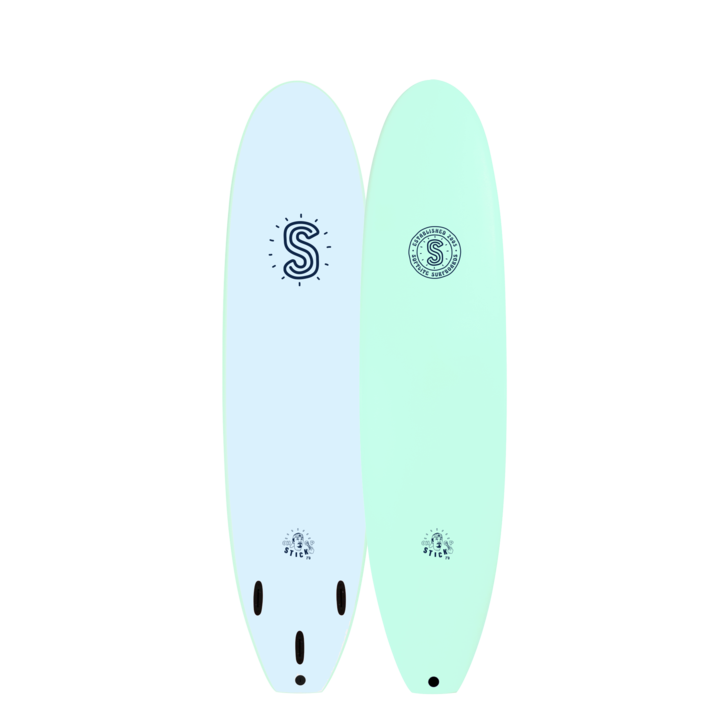
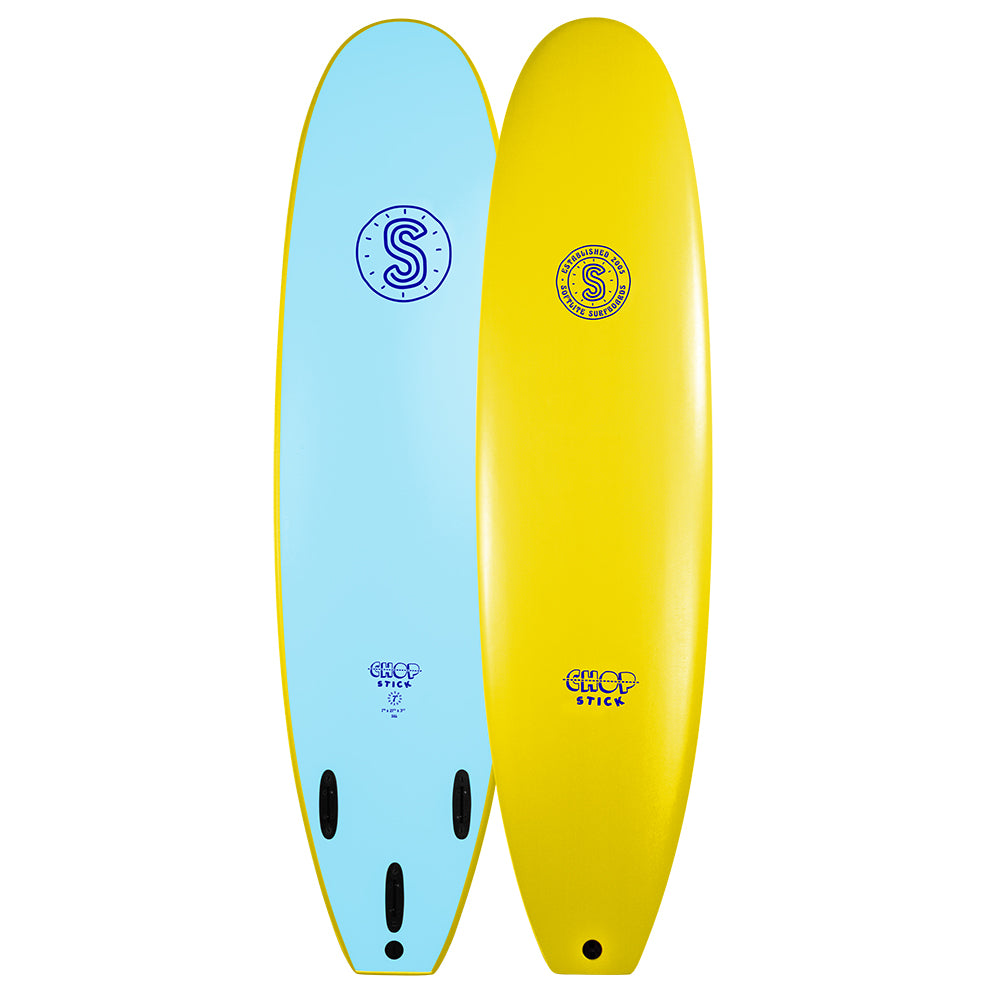
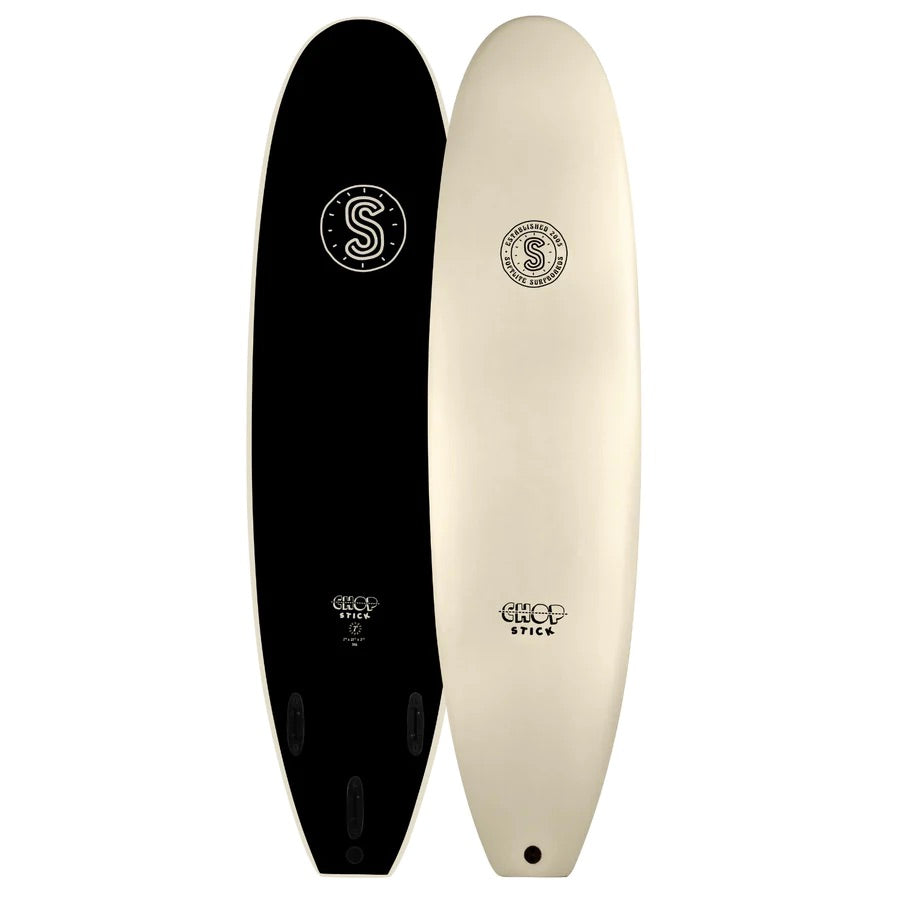
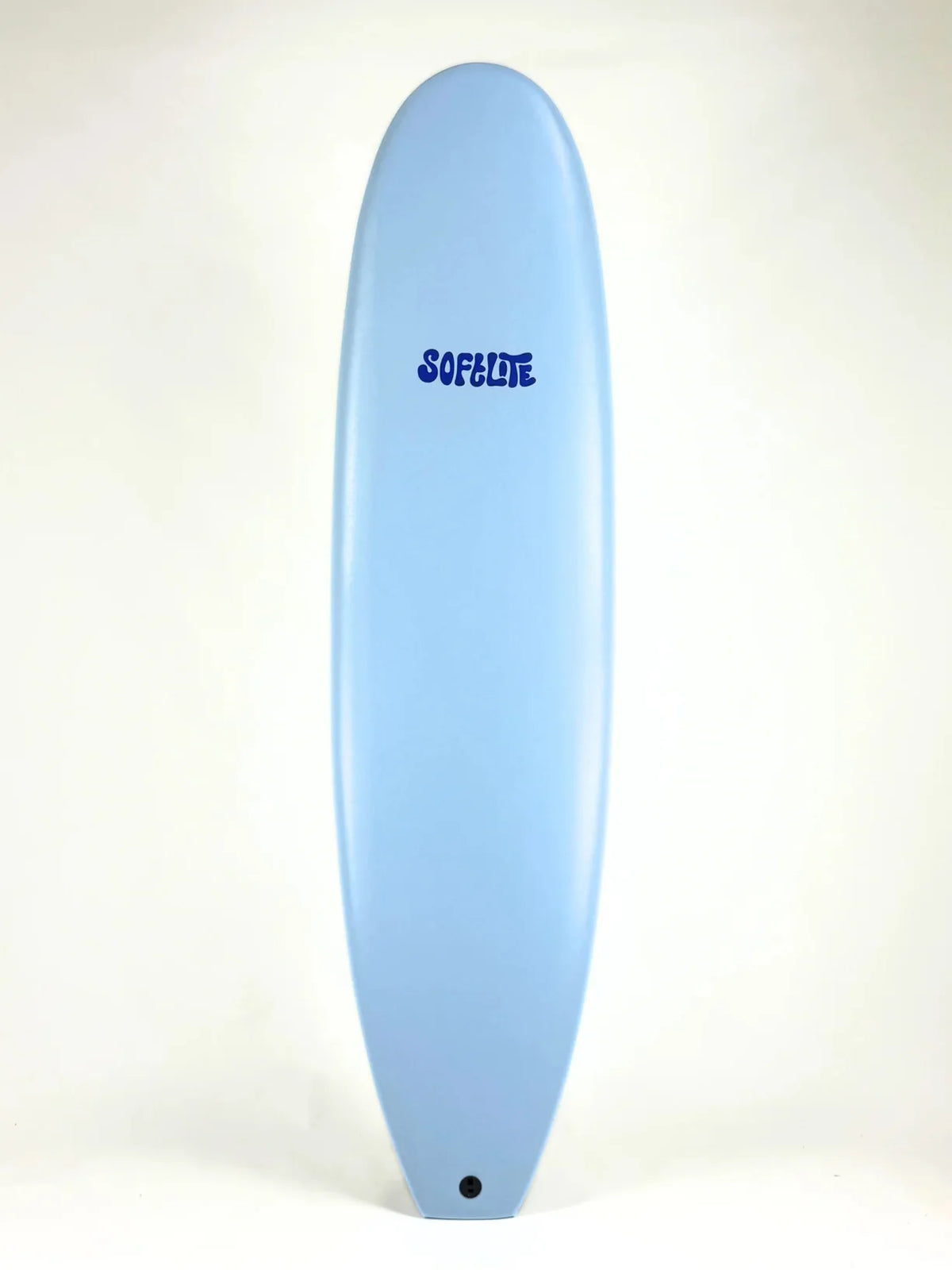
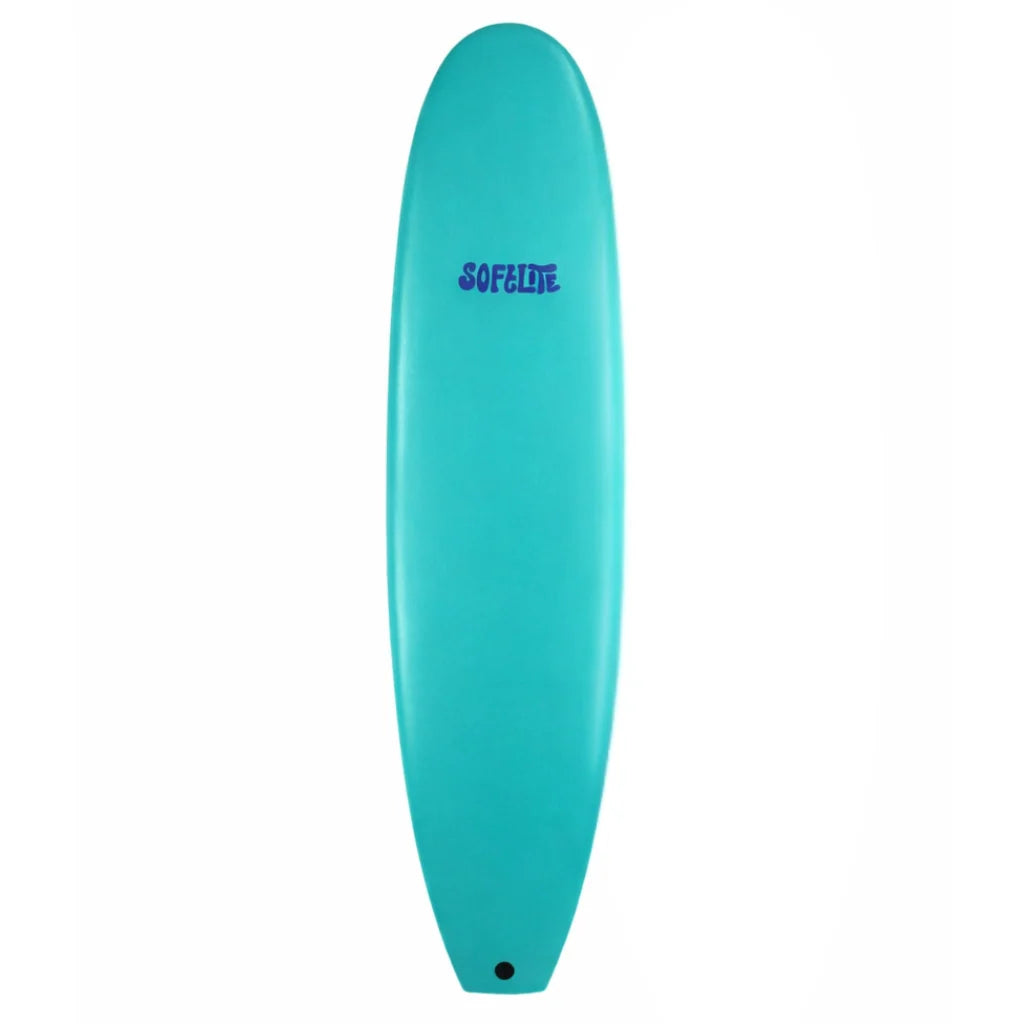
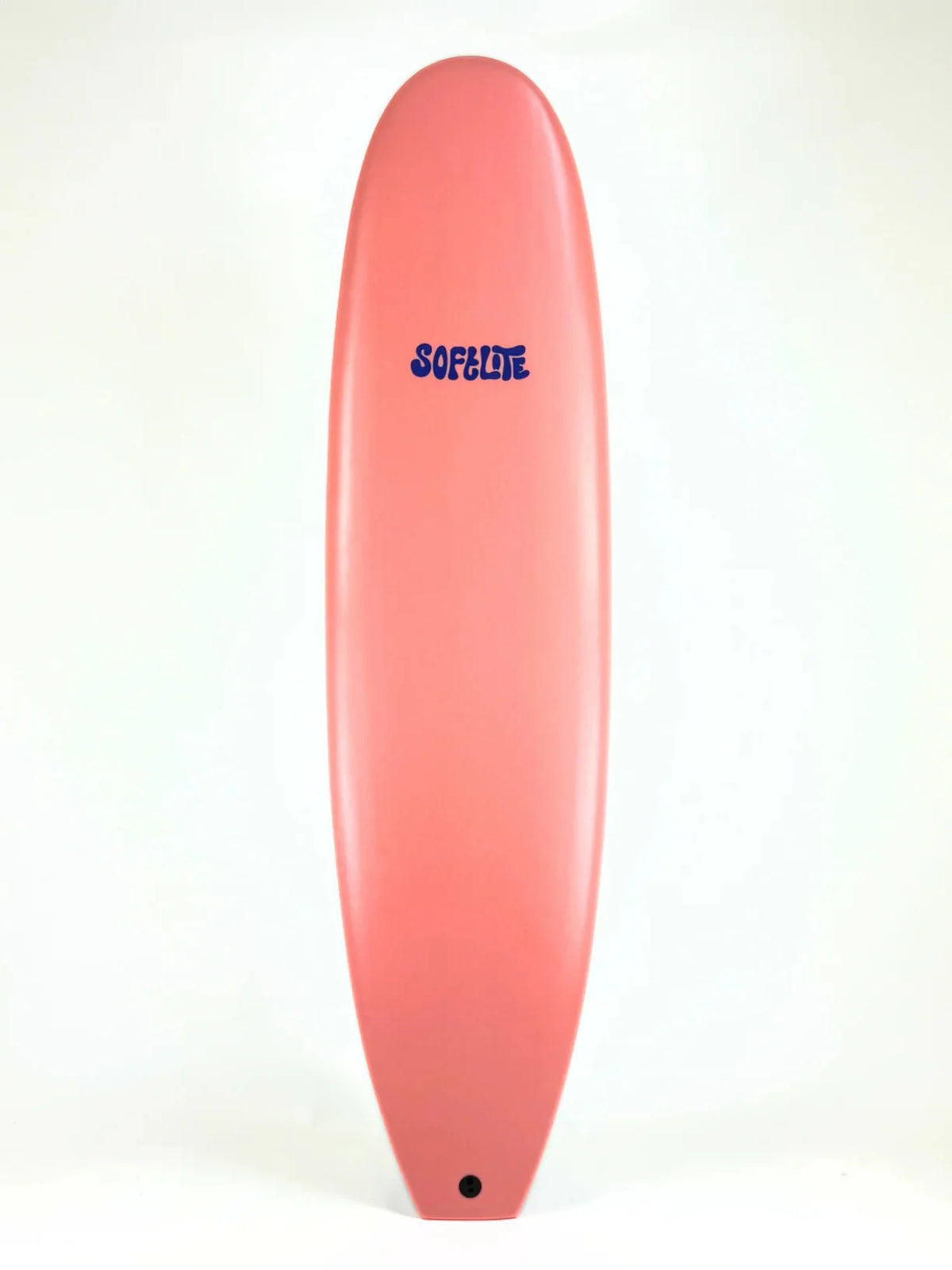
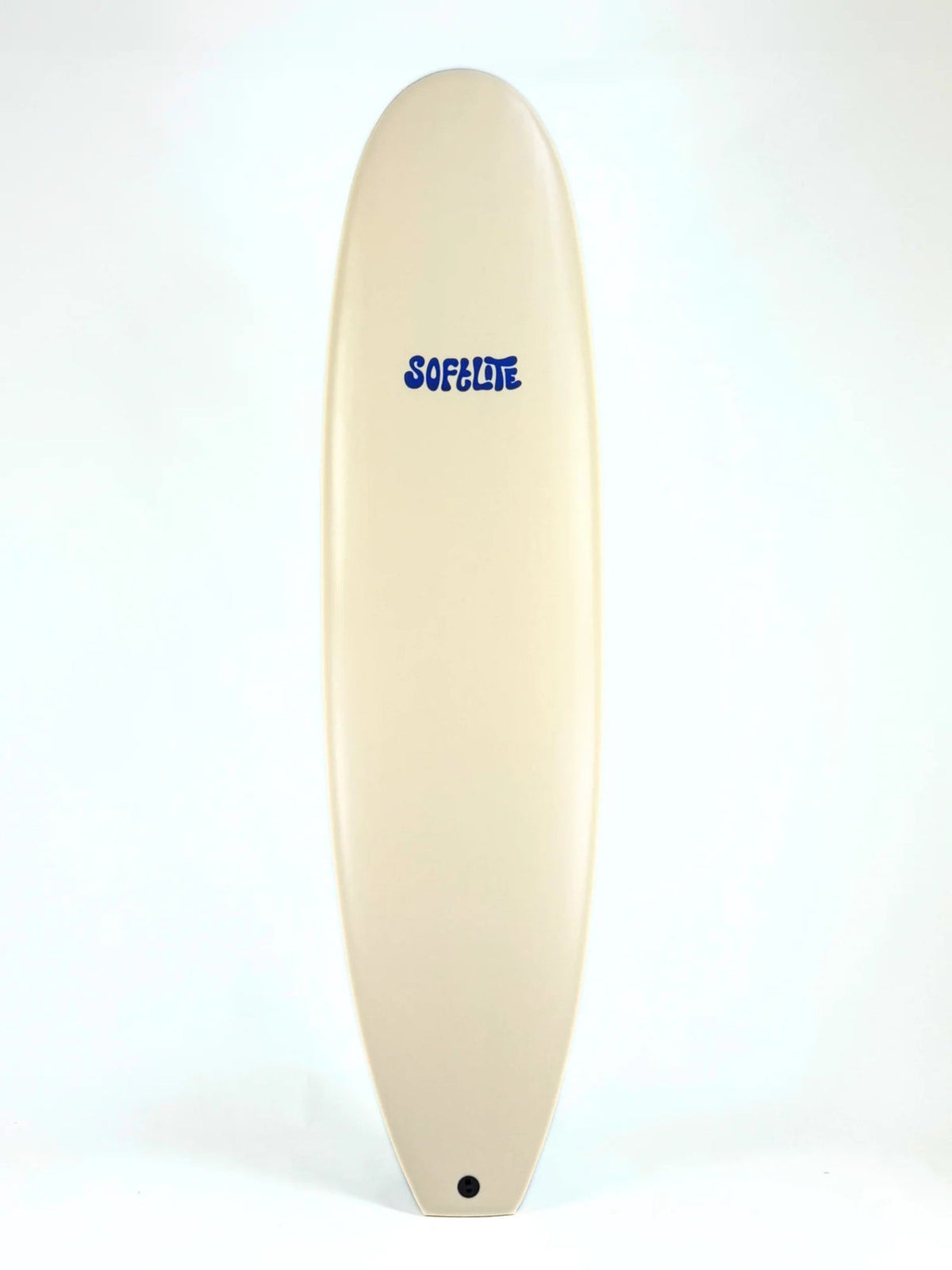
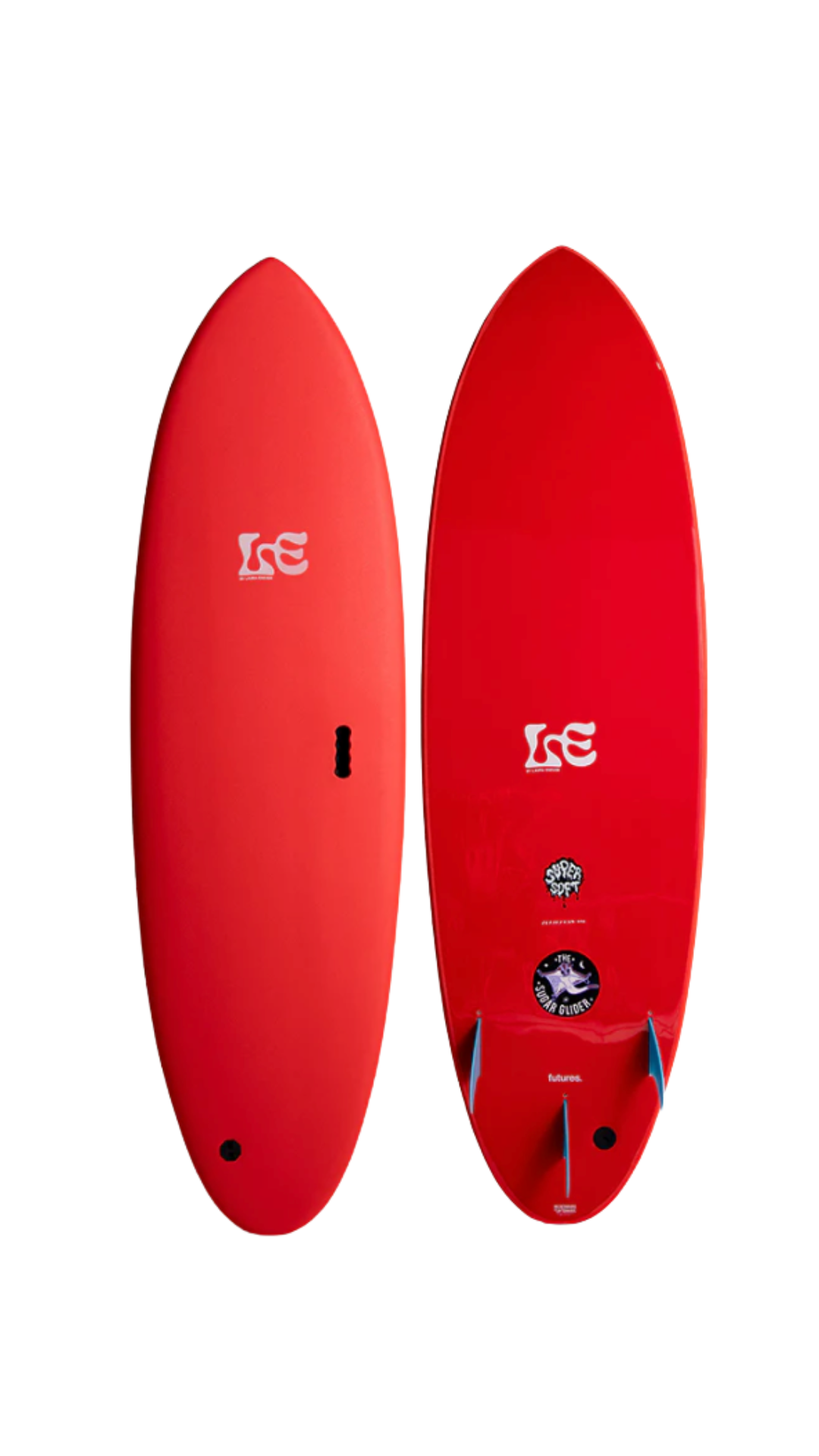
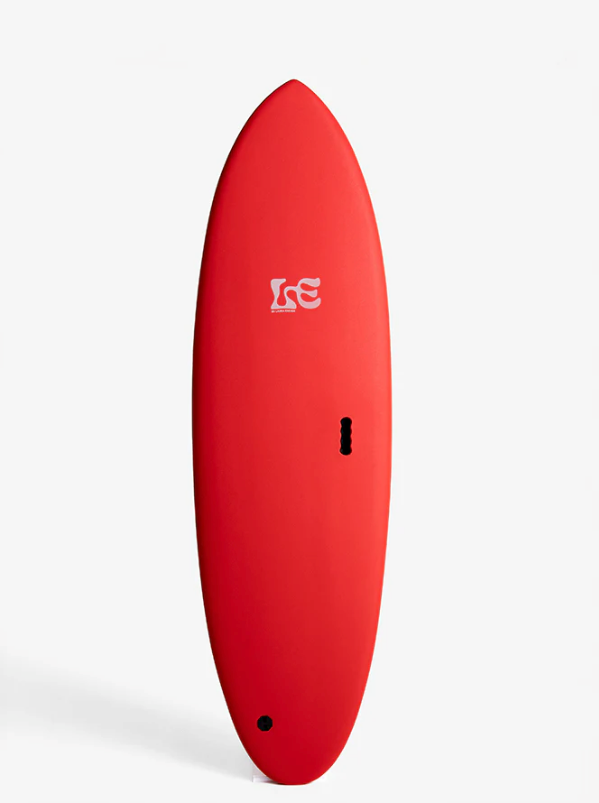
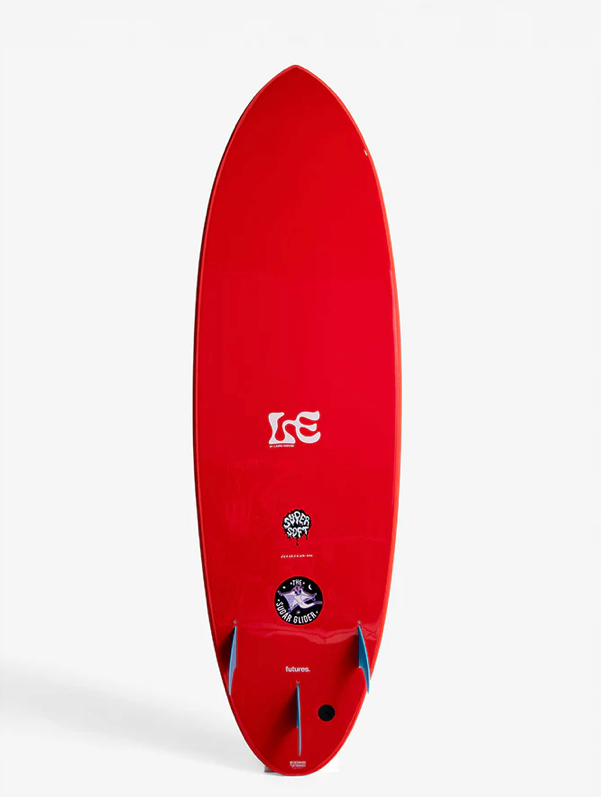
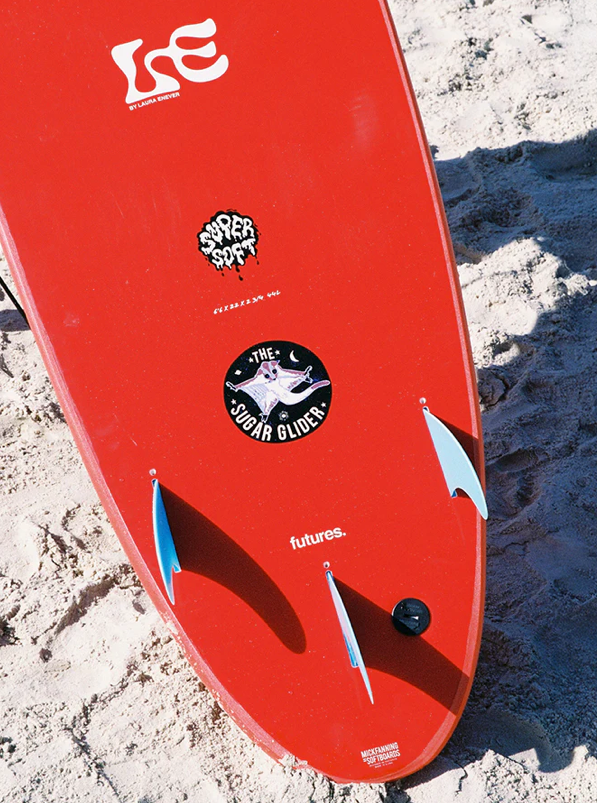
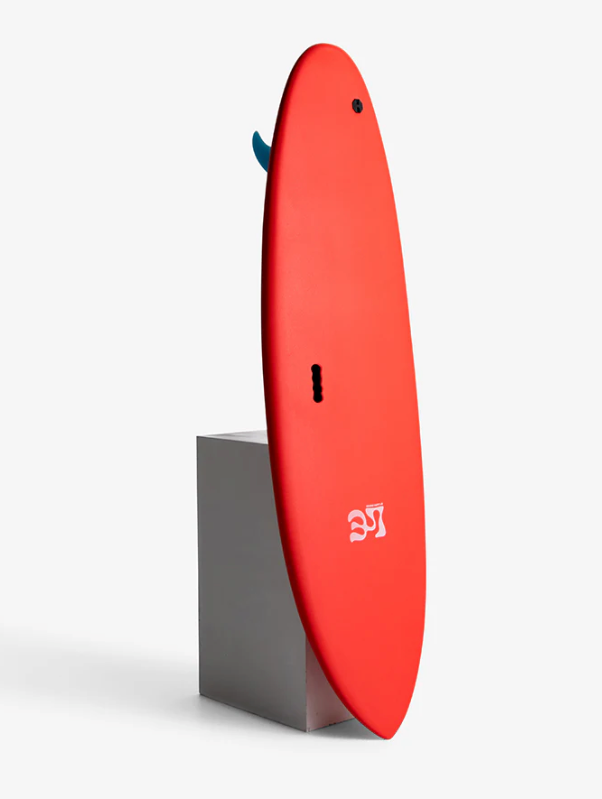
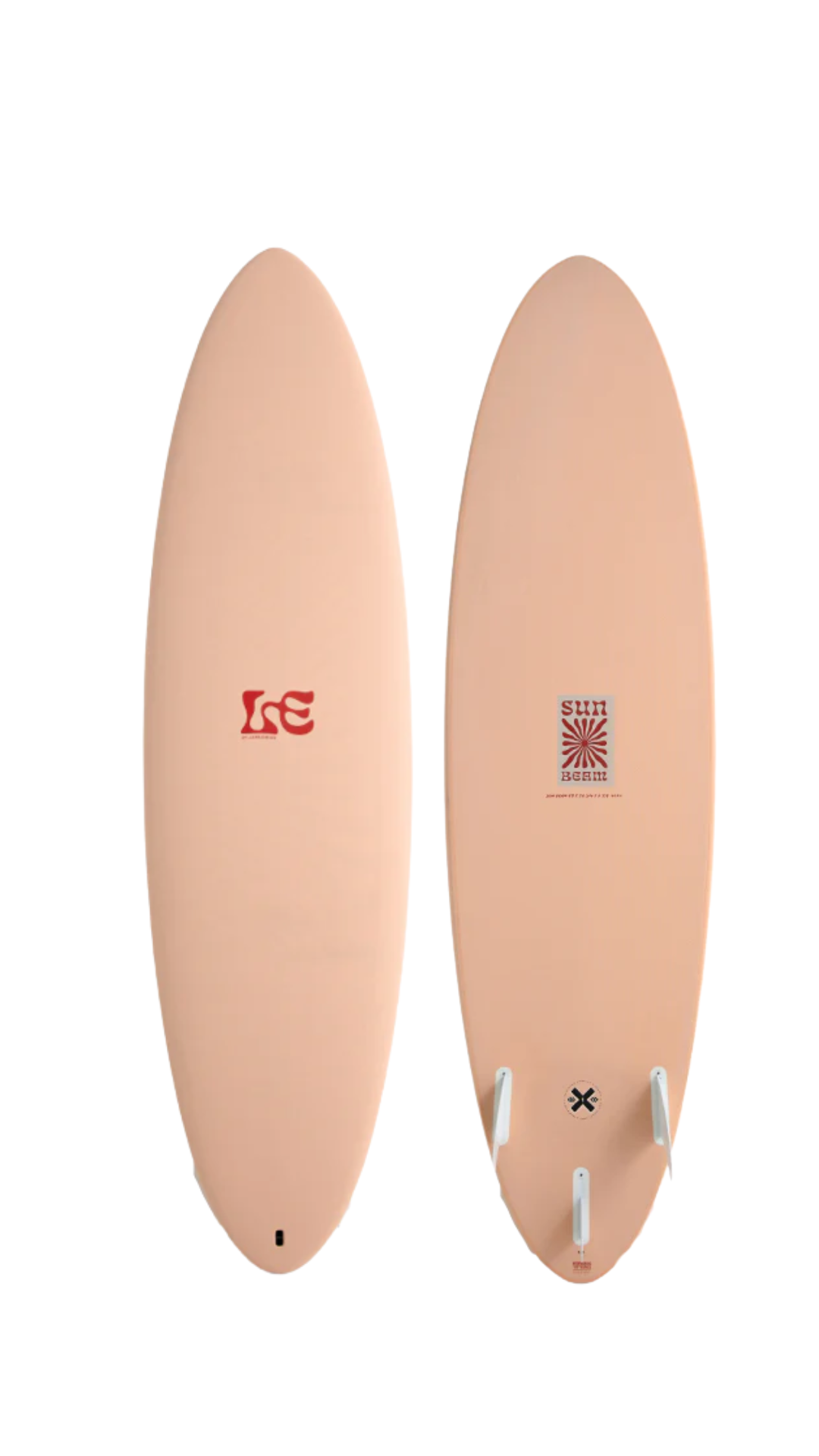
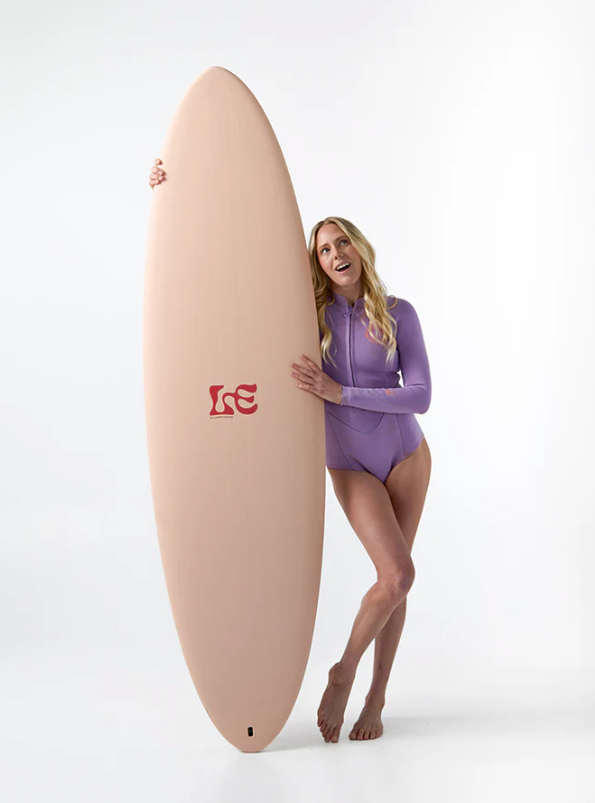
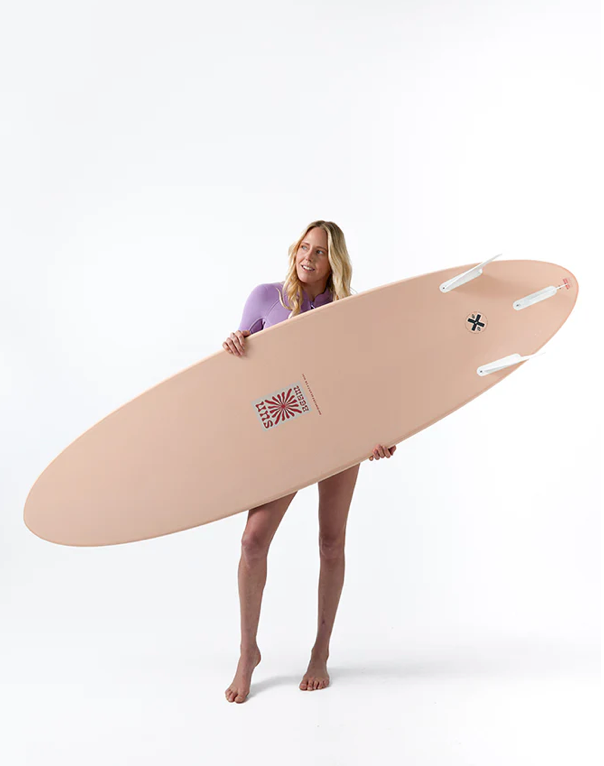
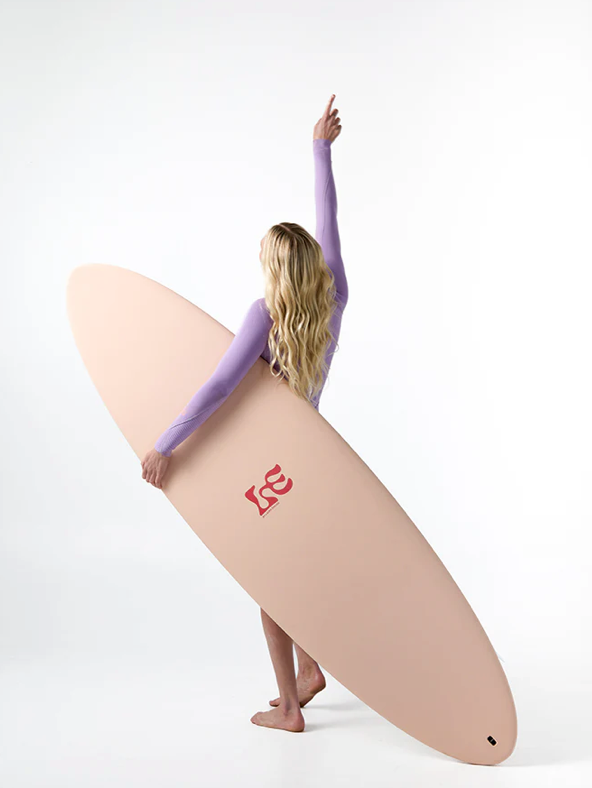
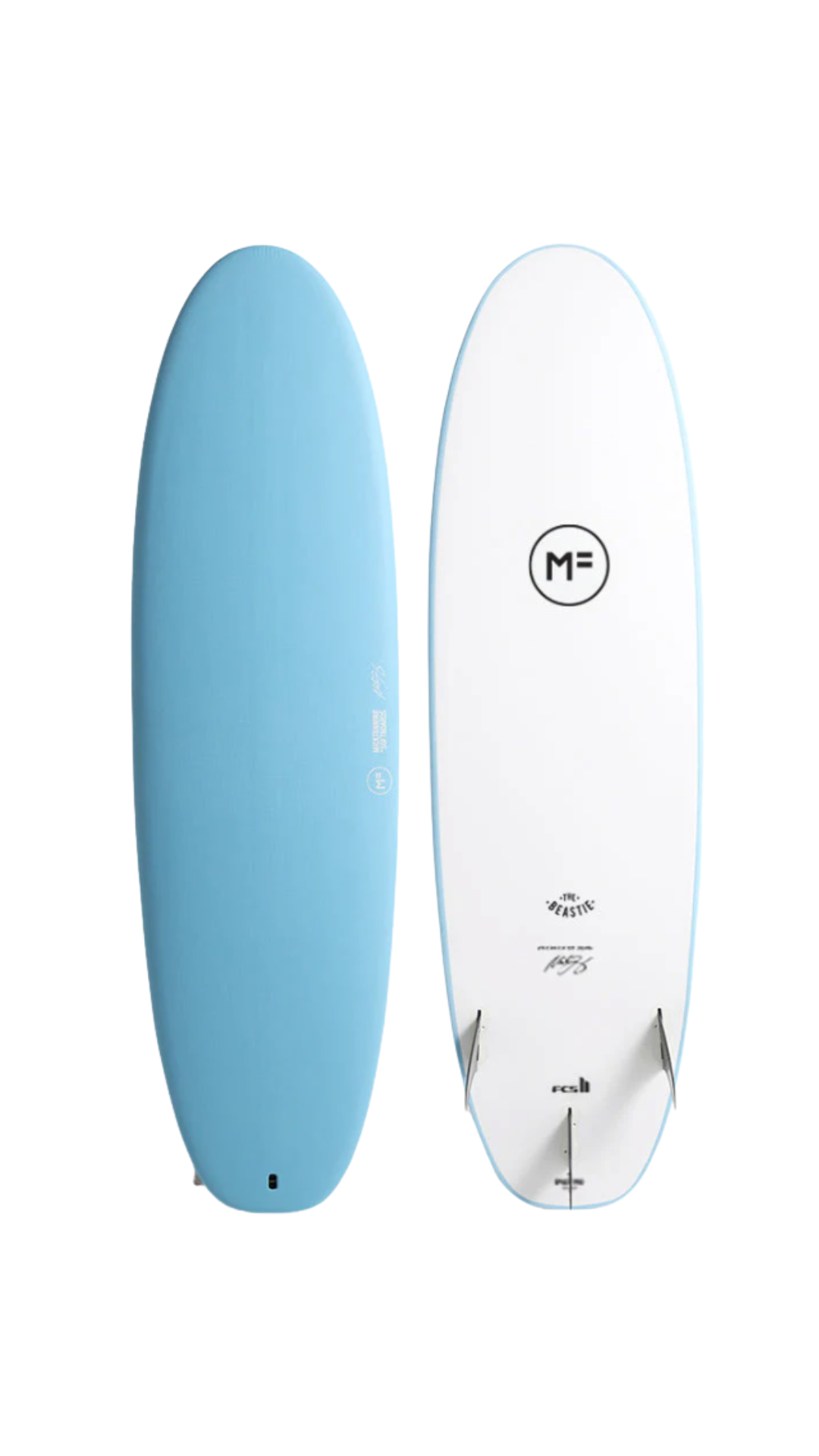
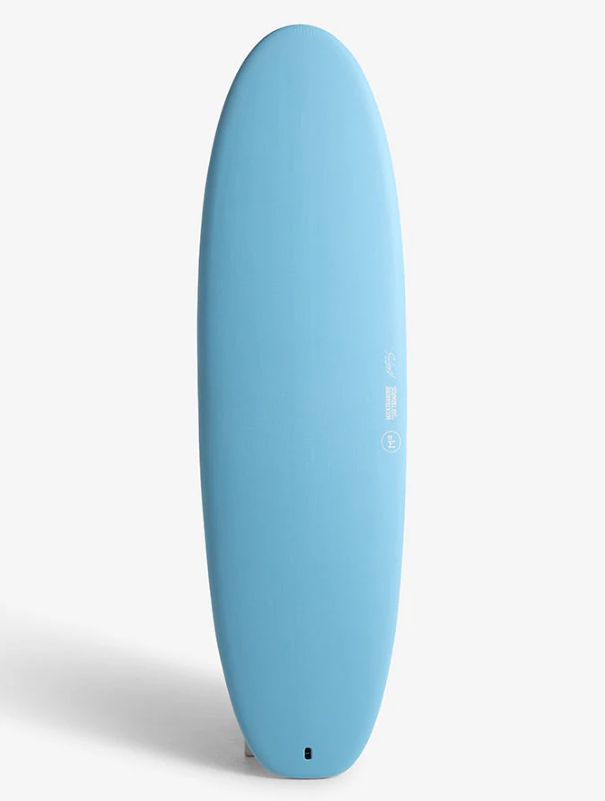
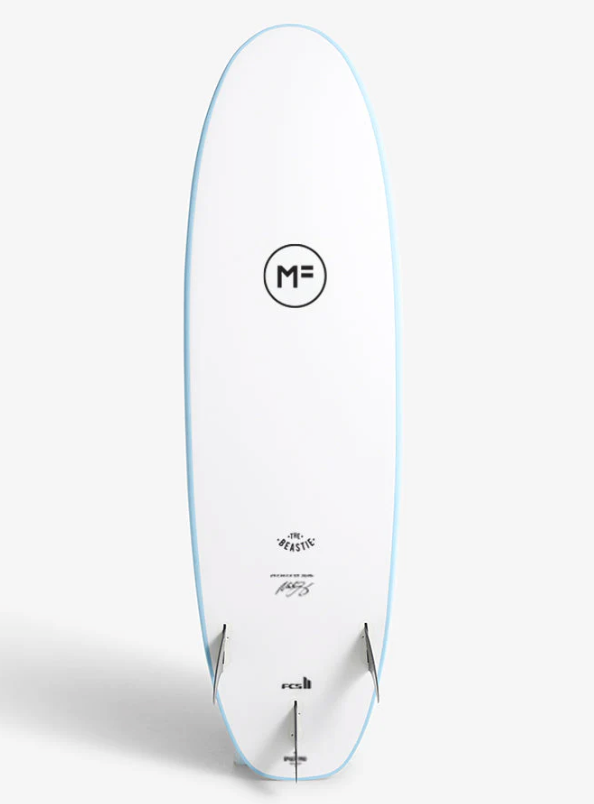
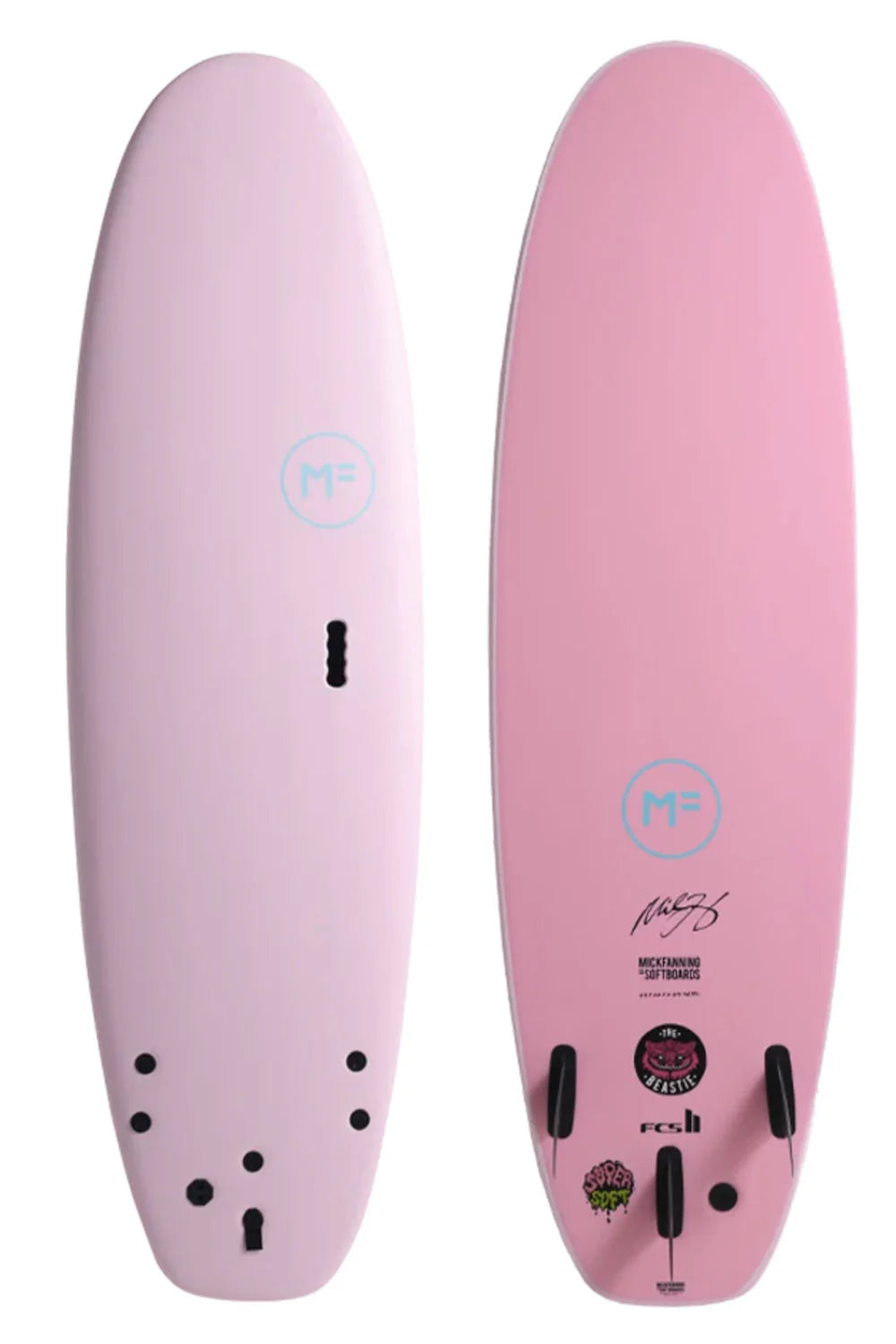
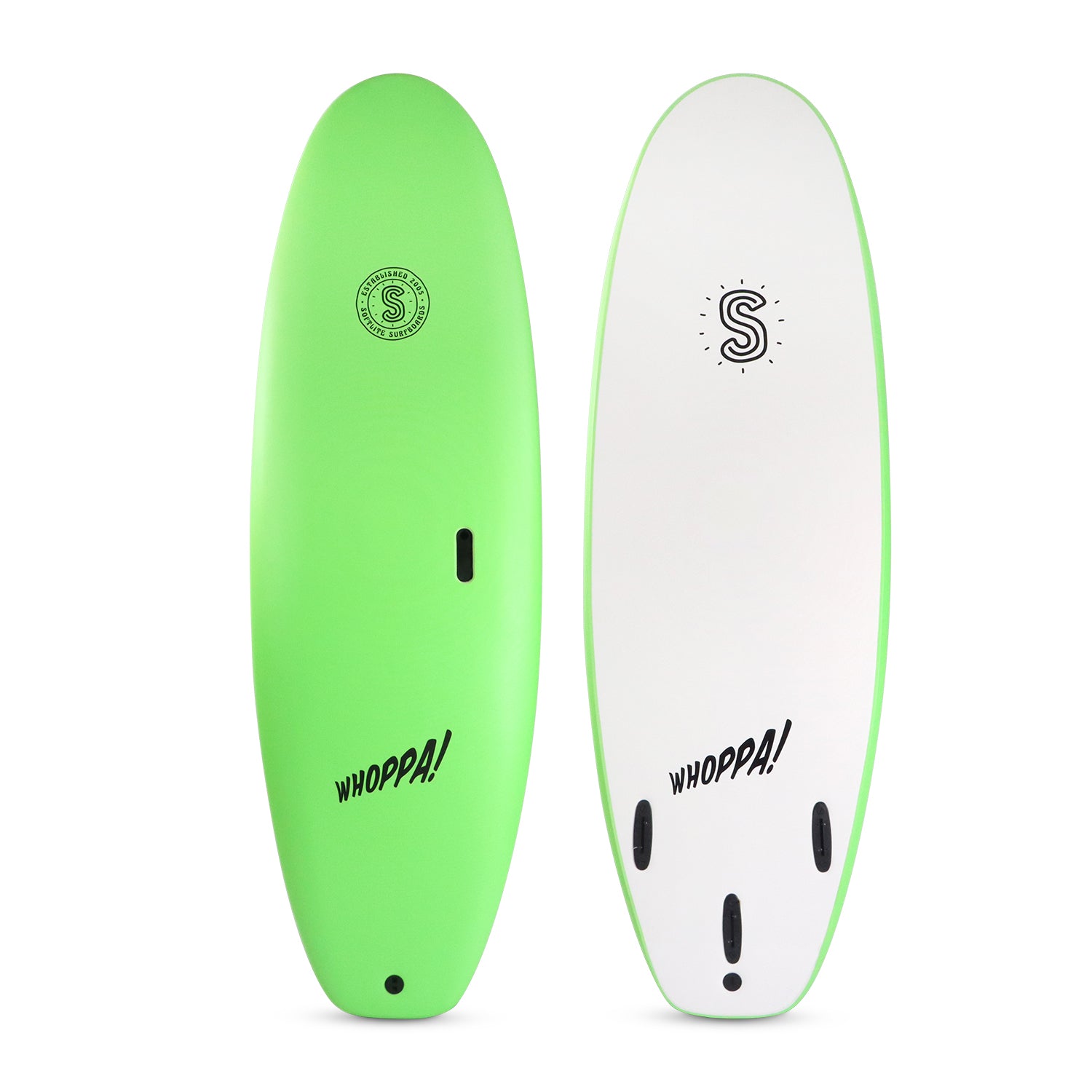
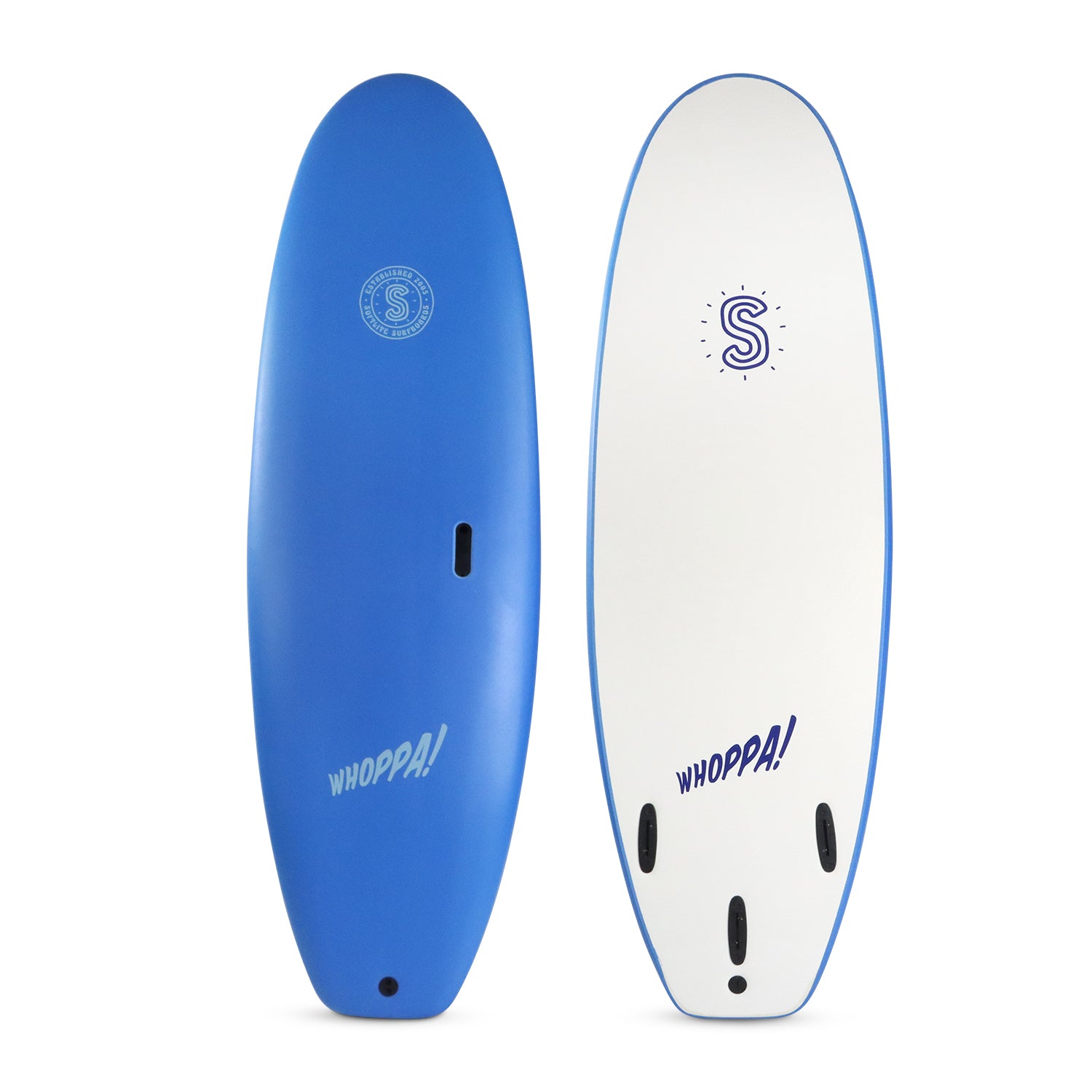
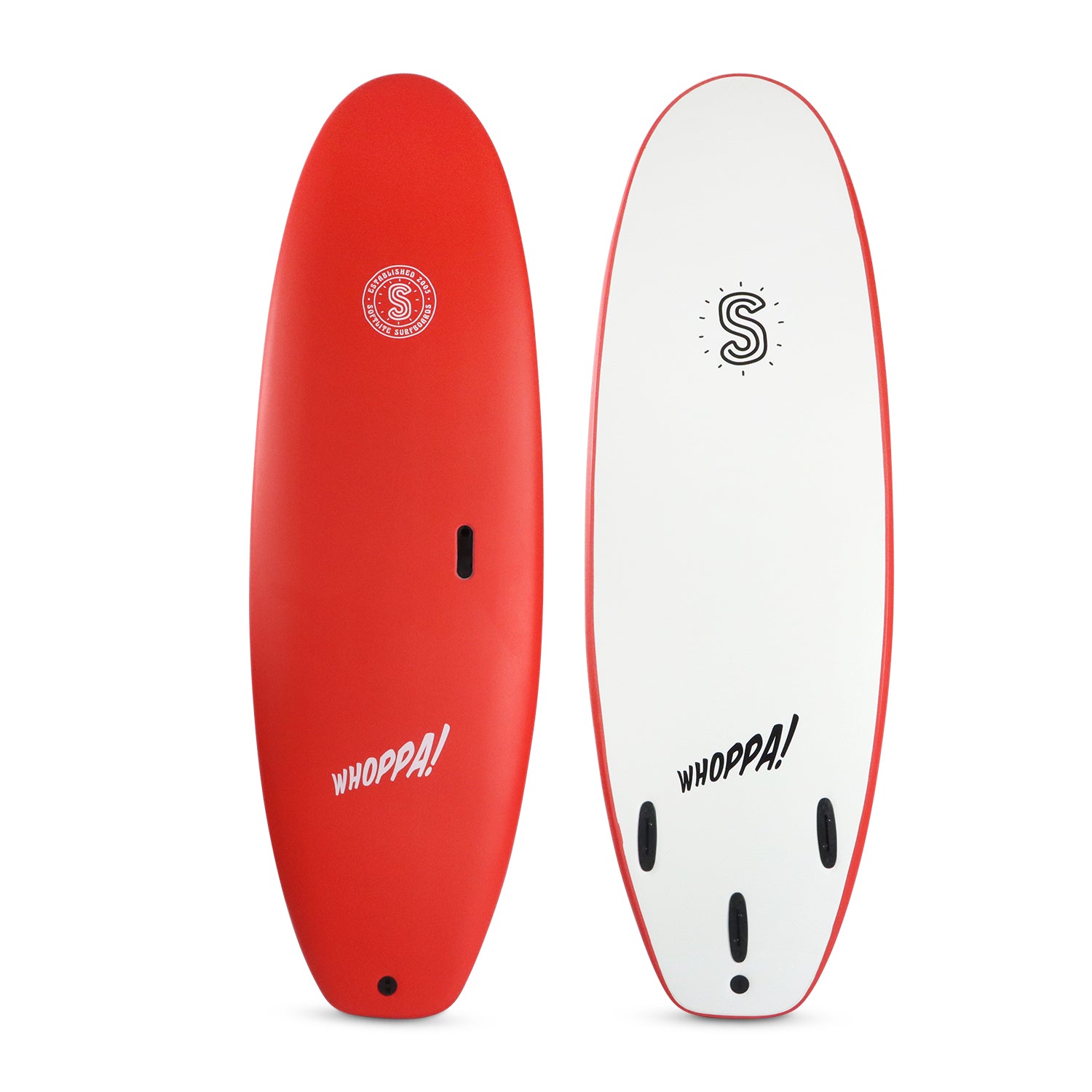
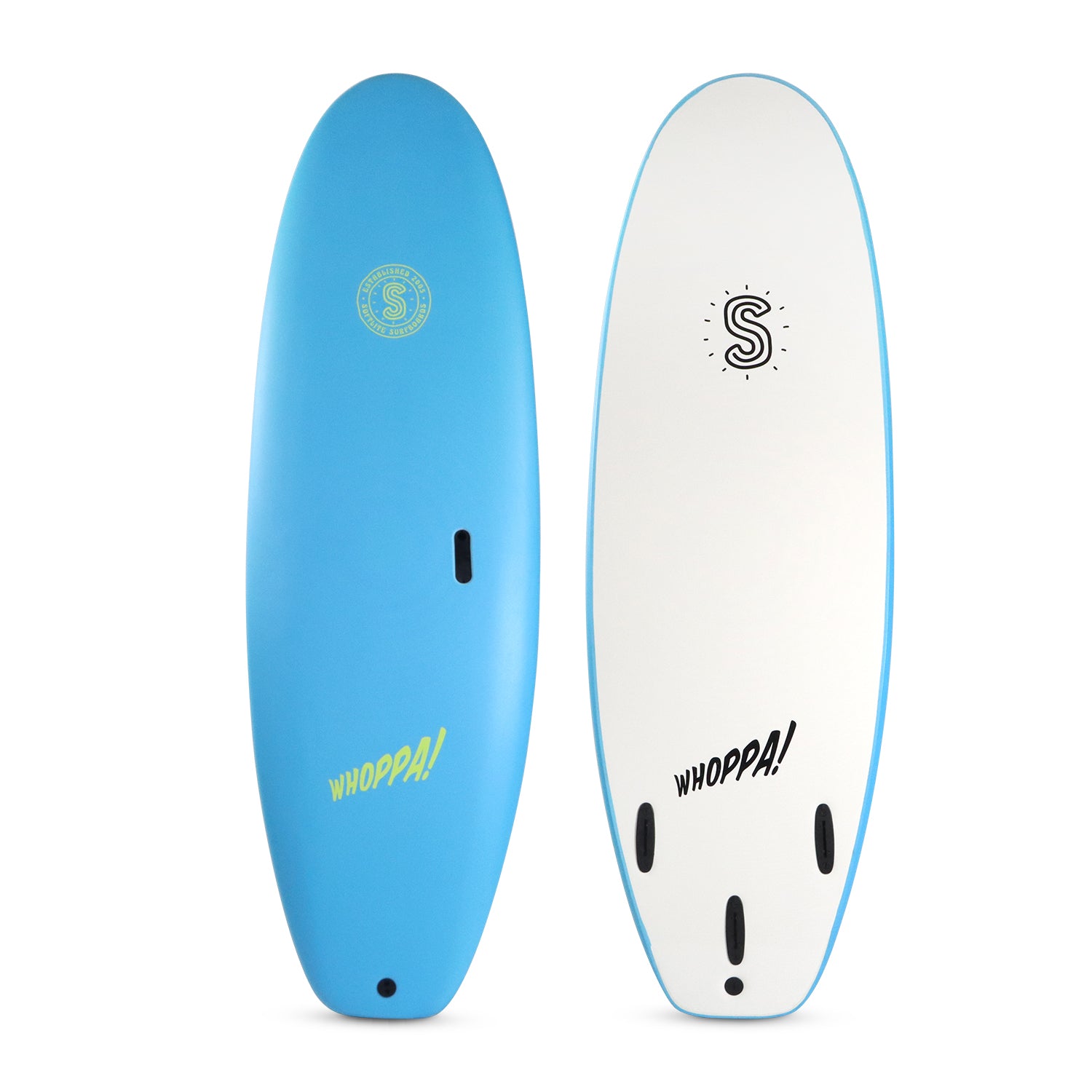
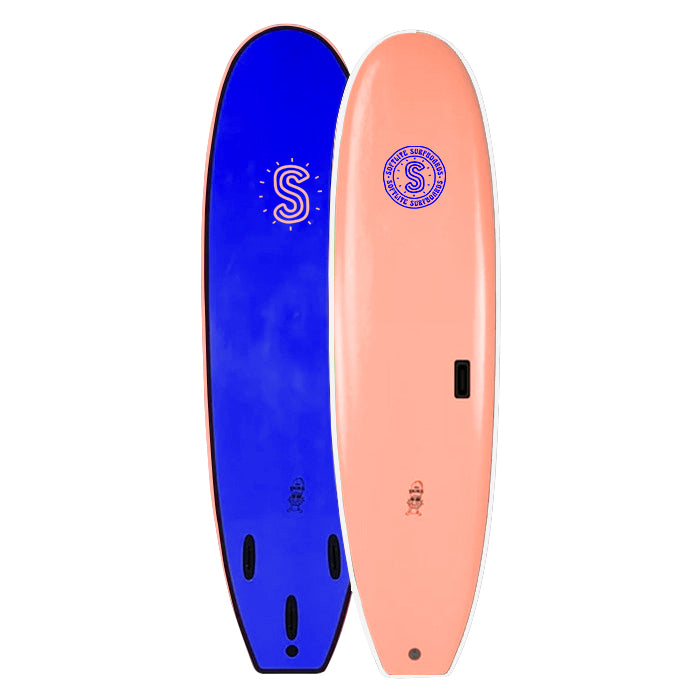
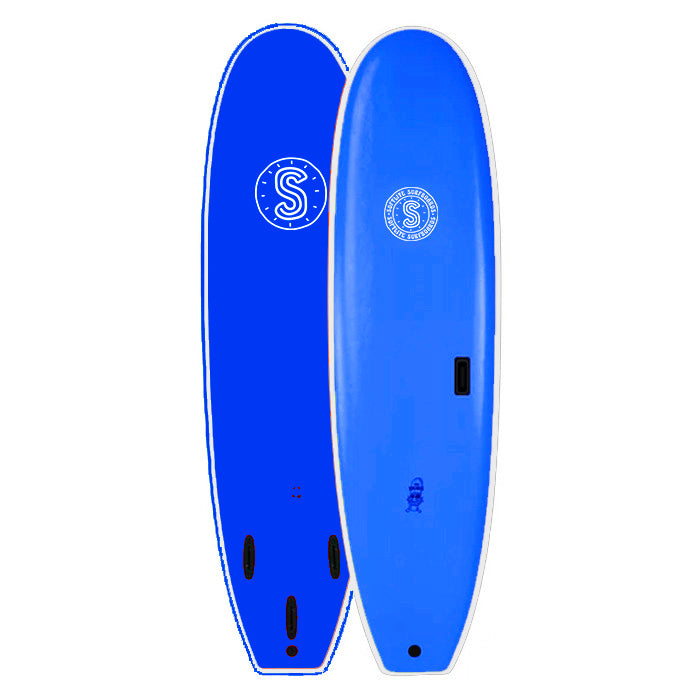
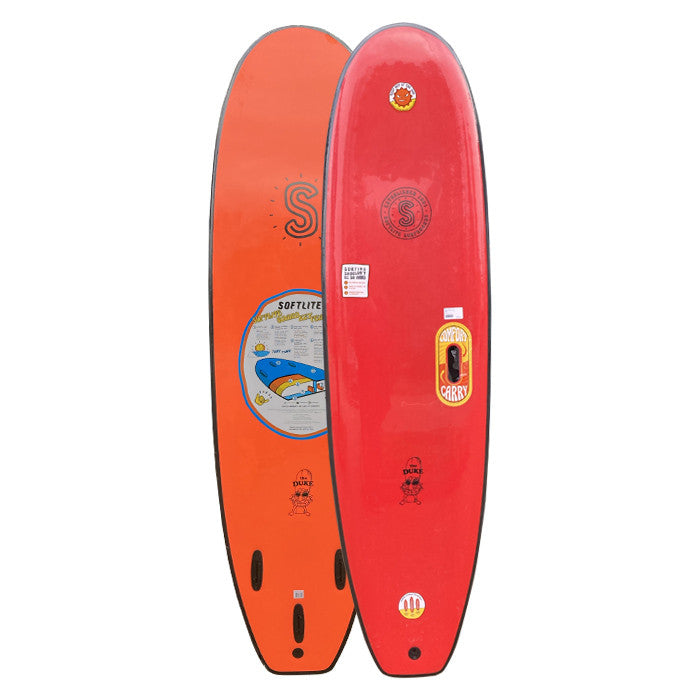
Une softboard n’est pas une planche au rabais, c’est un outil de progression. Son volume te fait flotter et ramer plus facilement, donc partir plus tôt et garder de la vitesse même sur des vagues molles. Sa stabilité réduit l’hésitation au moment du take-off. Sa construction souple limite la casse et les blessures, ce qui te fait pratiquer plus souvent et plus sereinement.
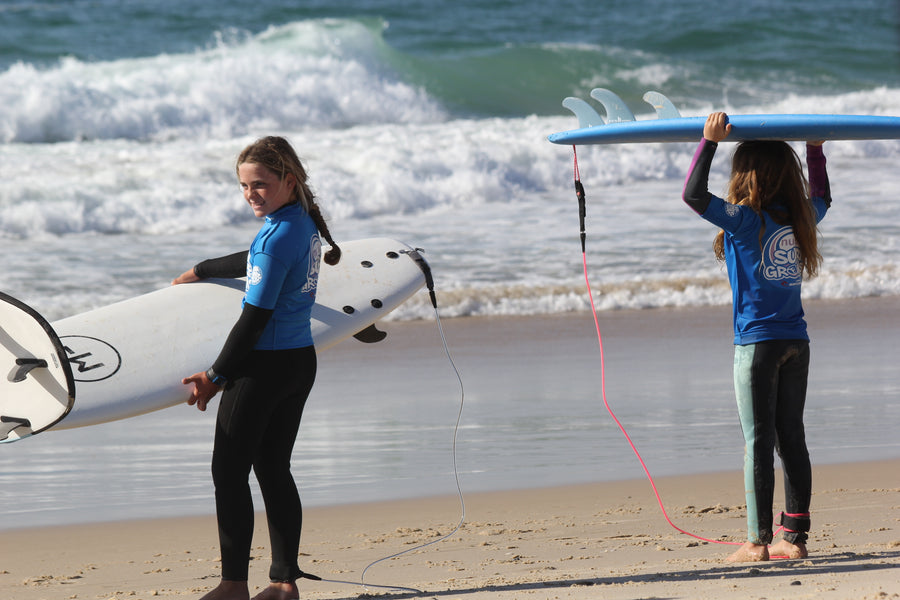
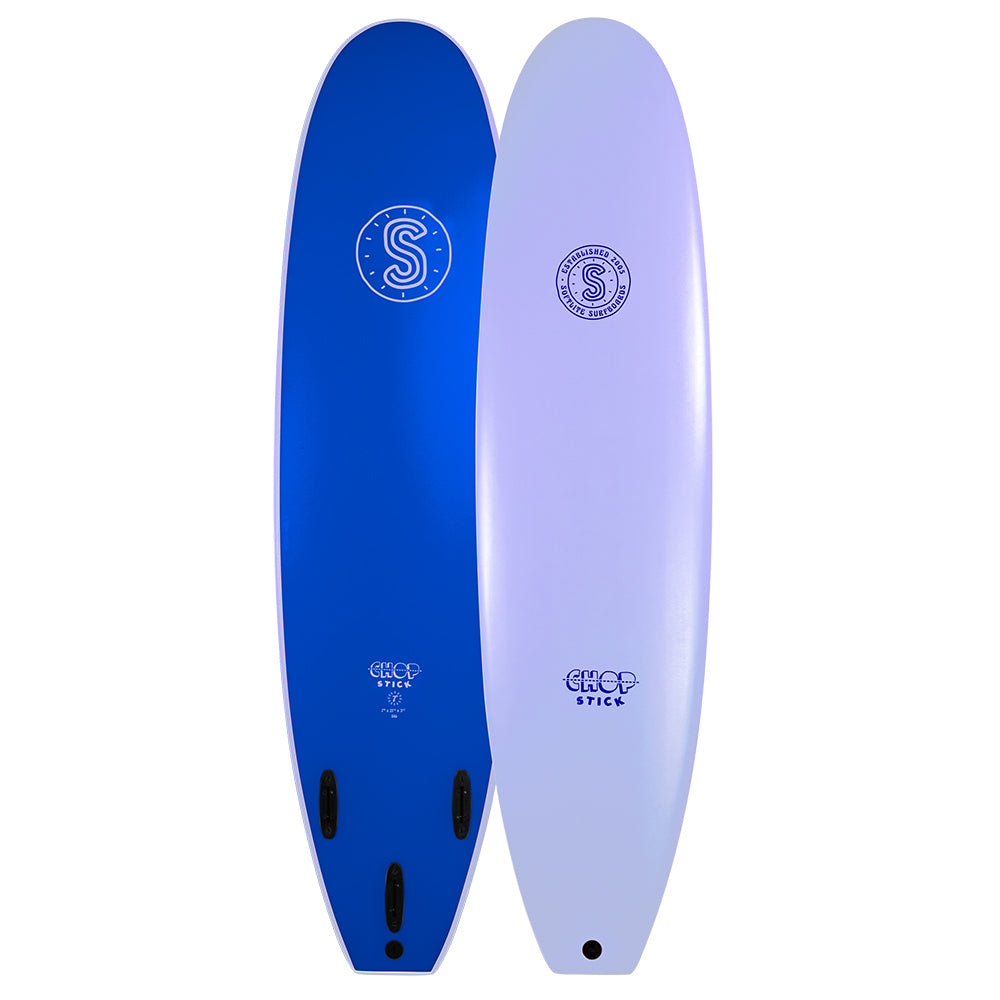
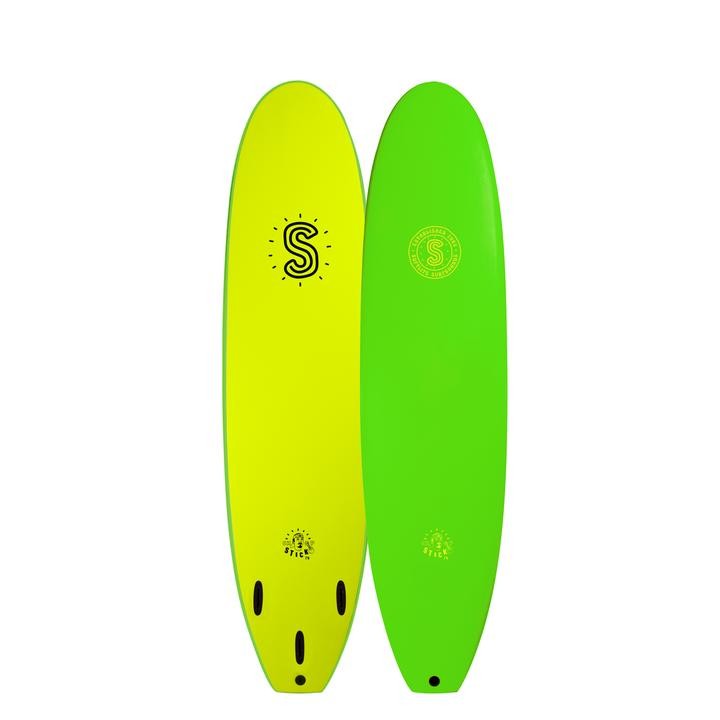
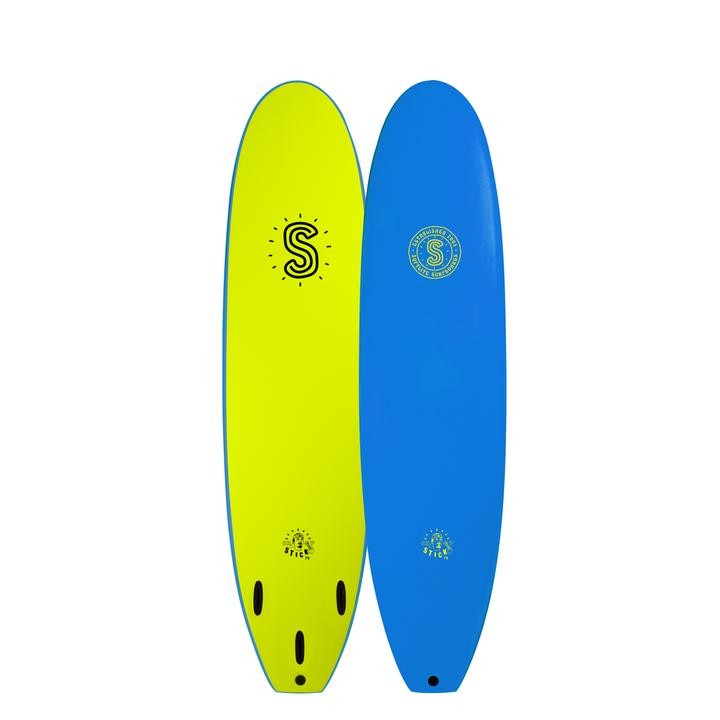
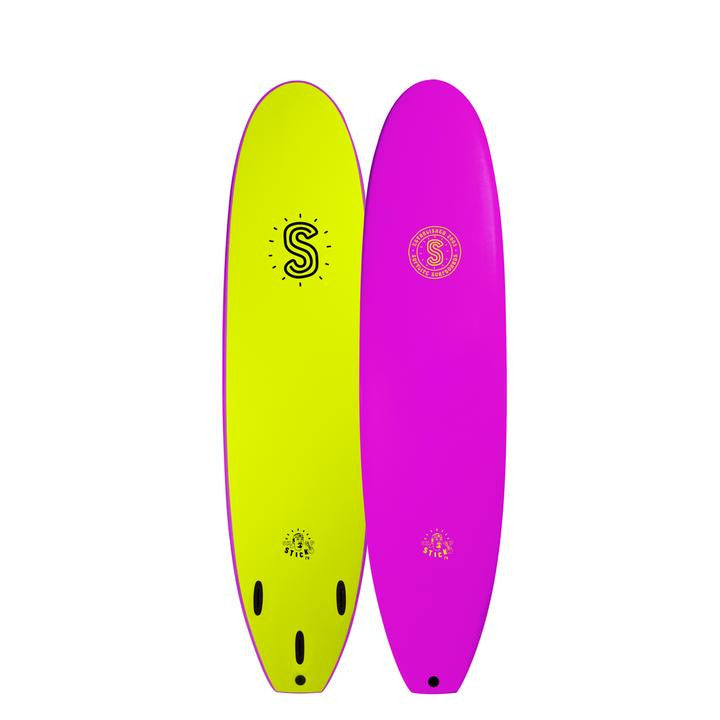
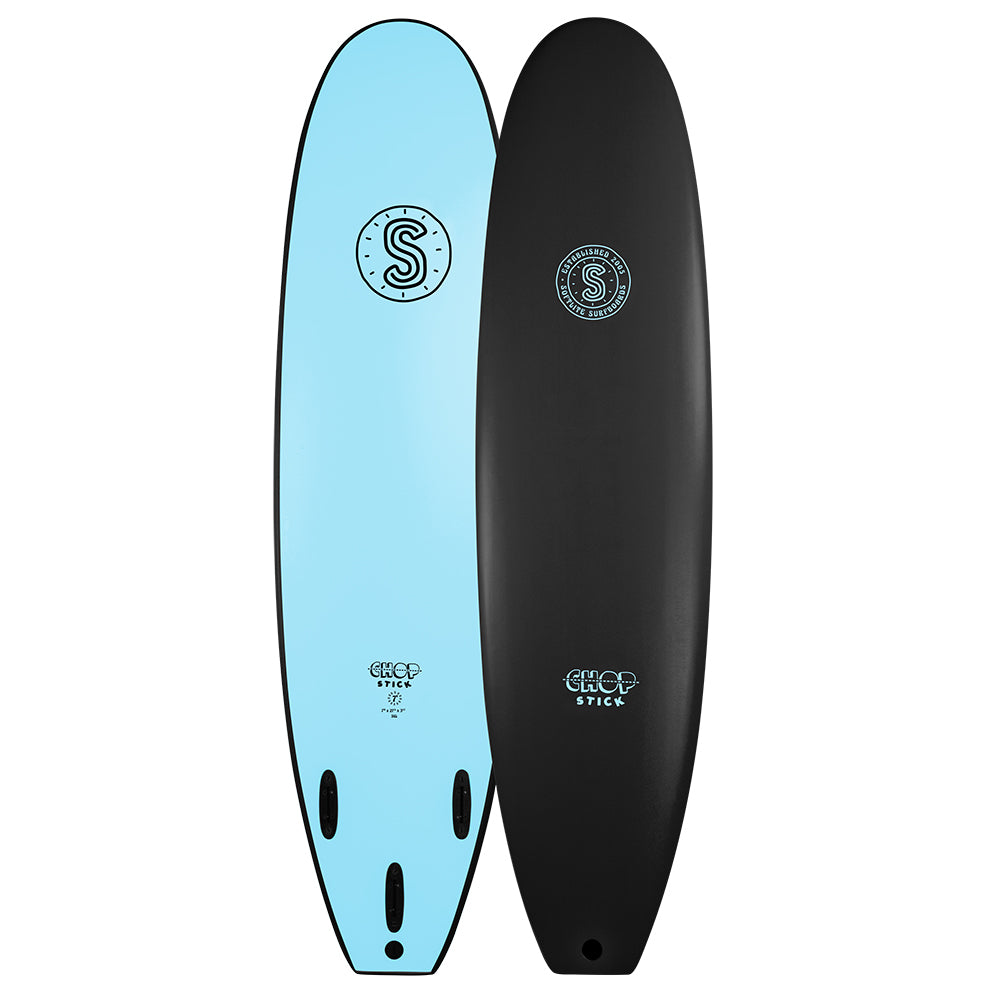
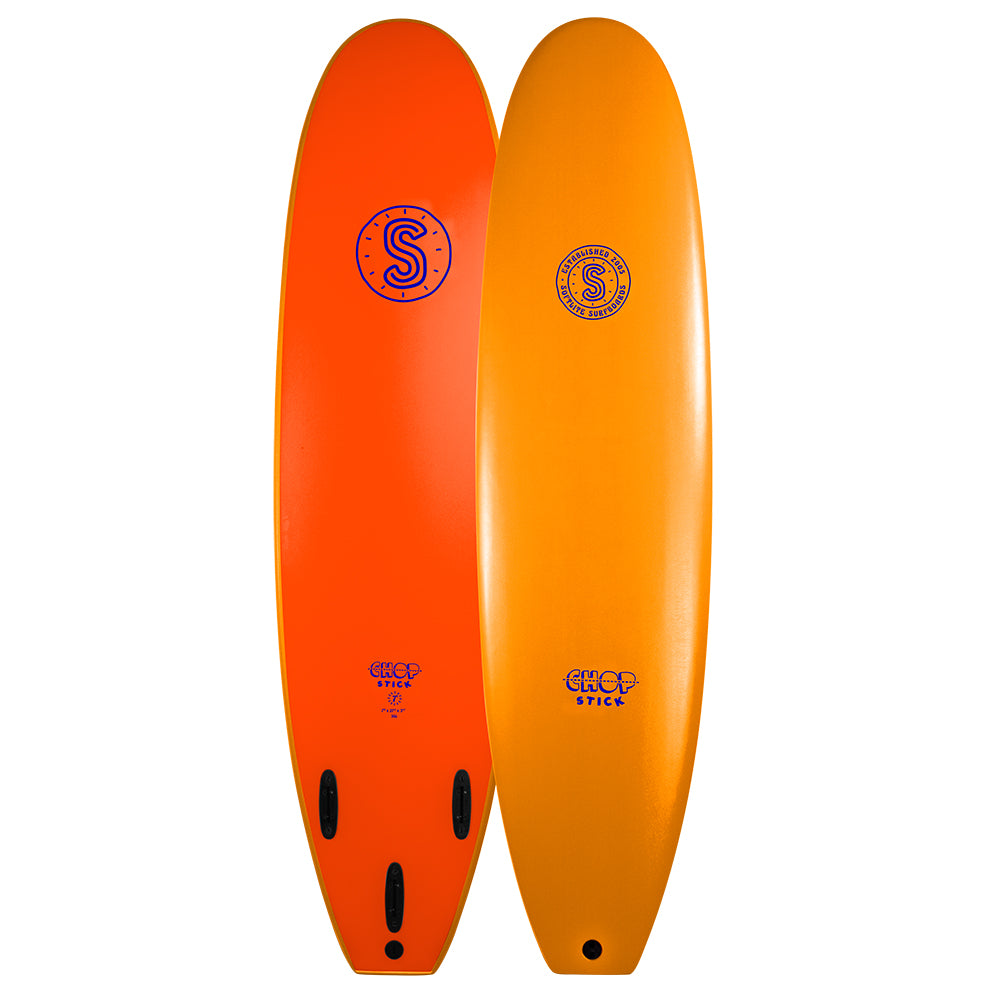
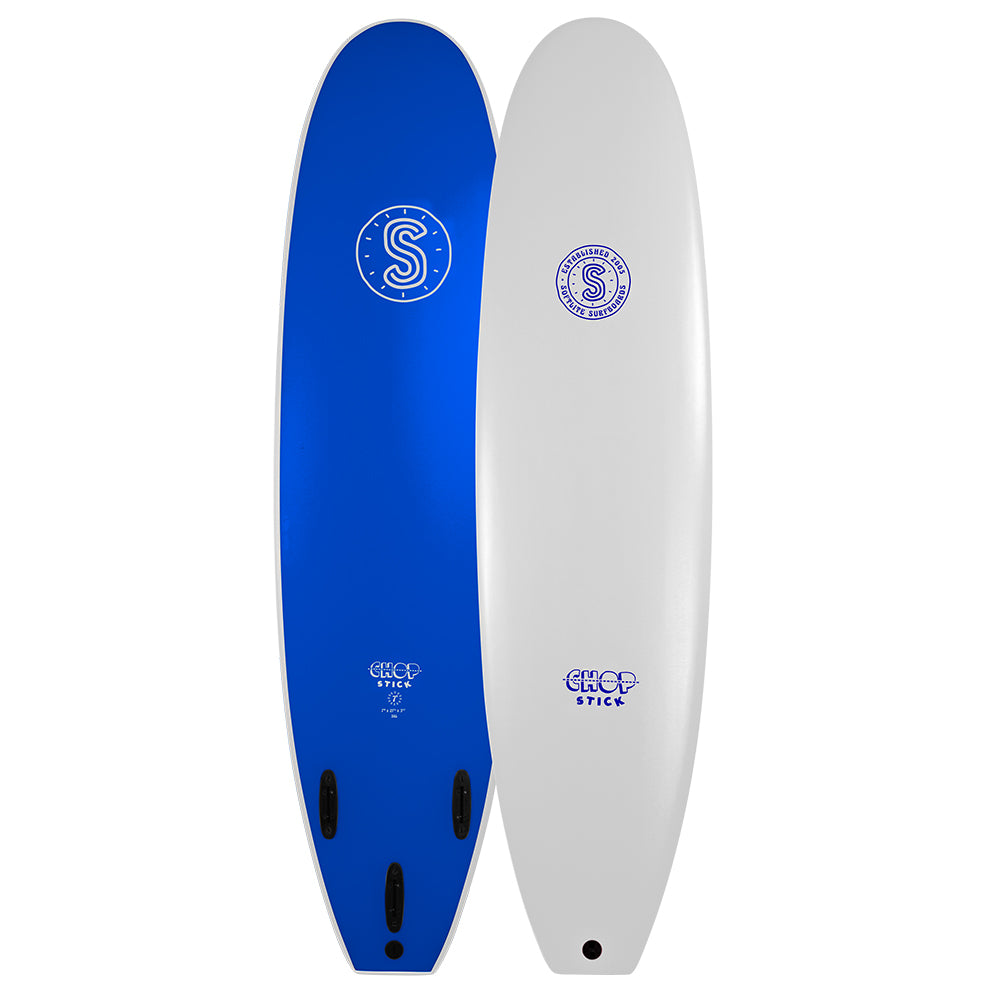
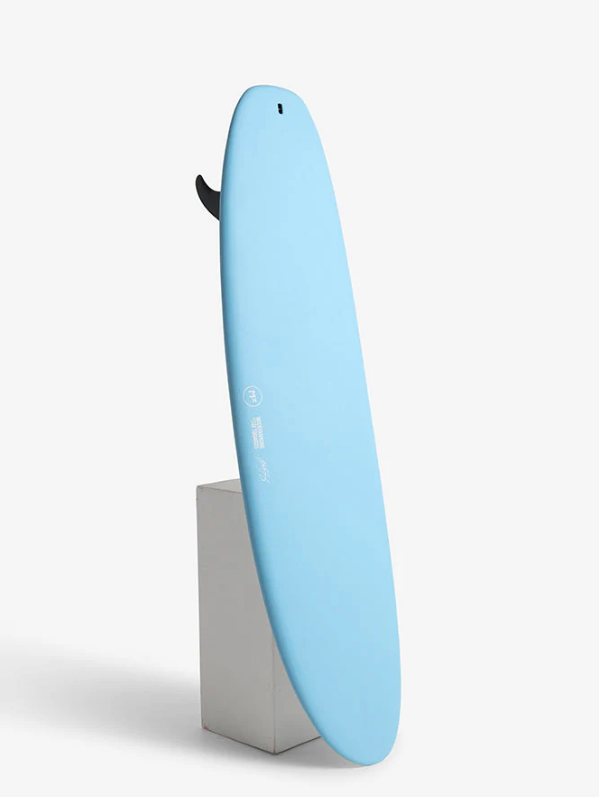
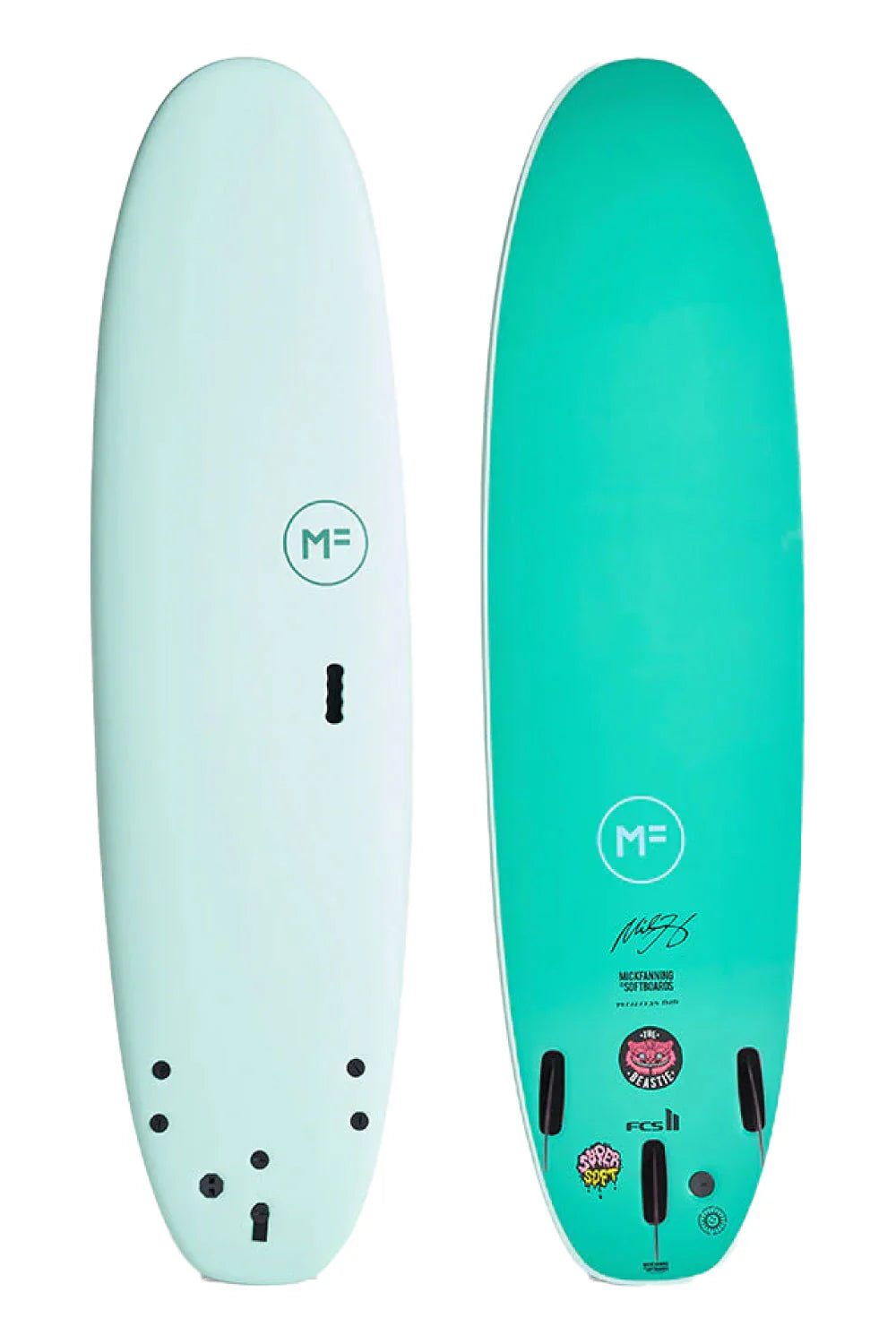
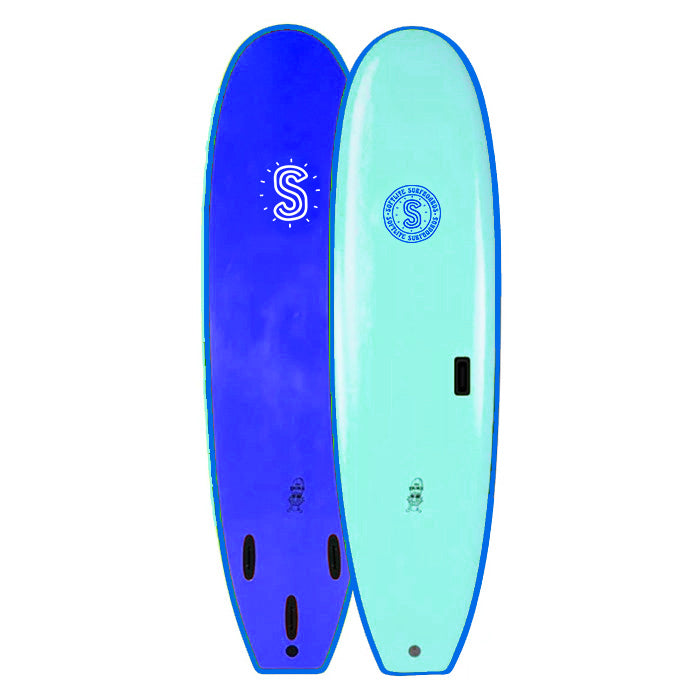
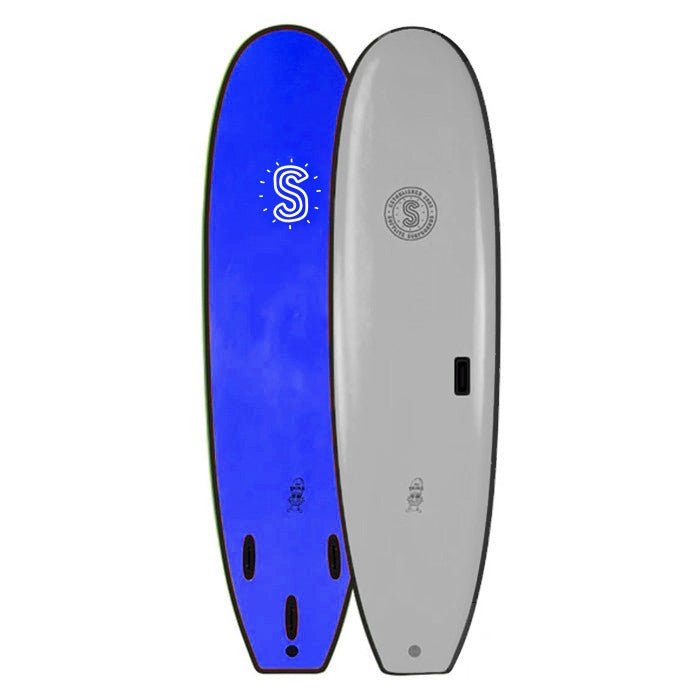
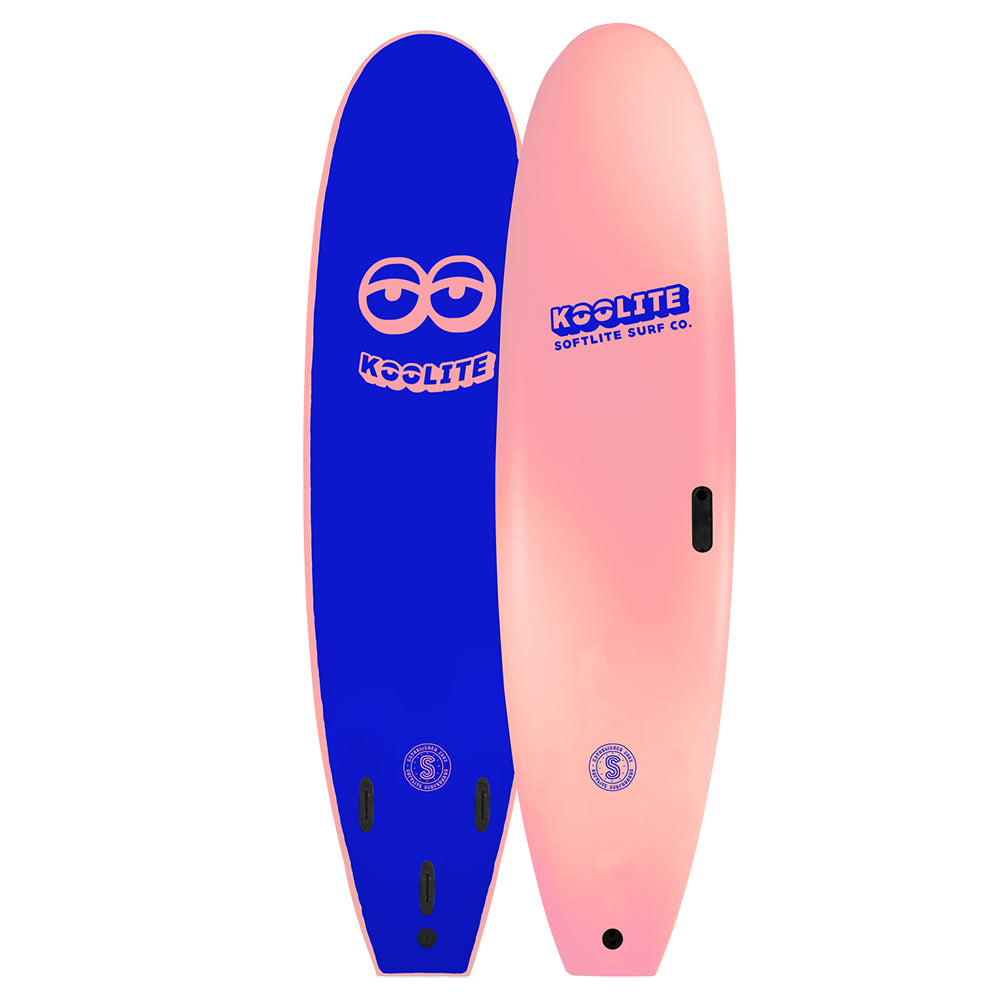
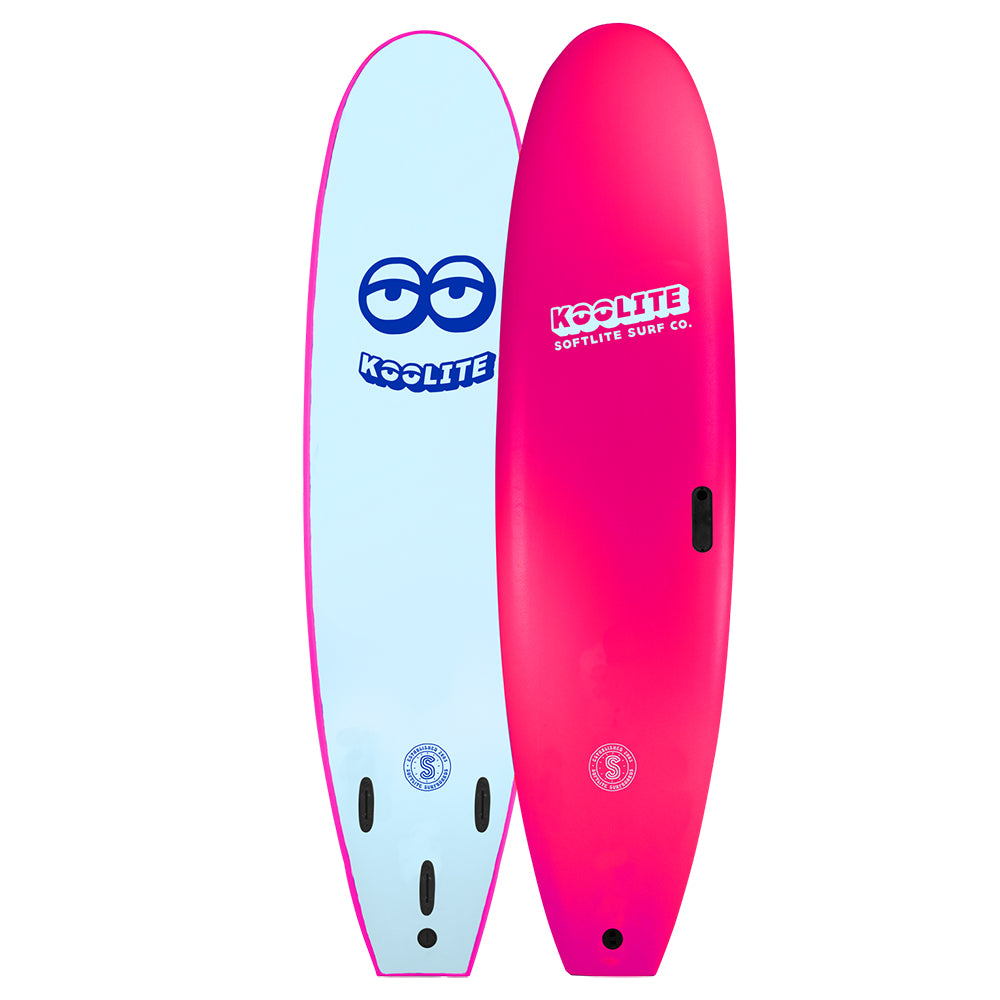
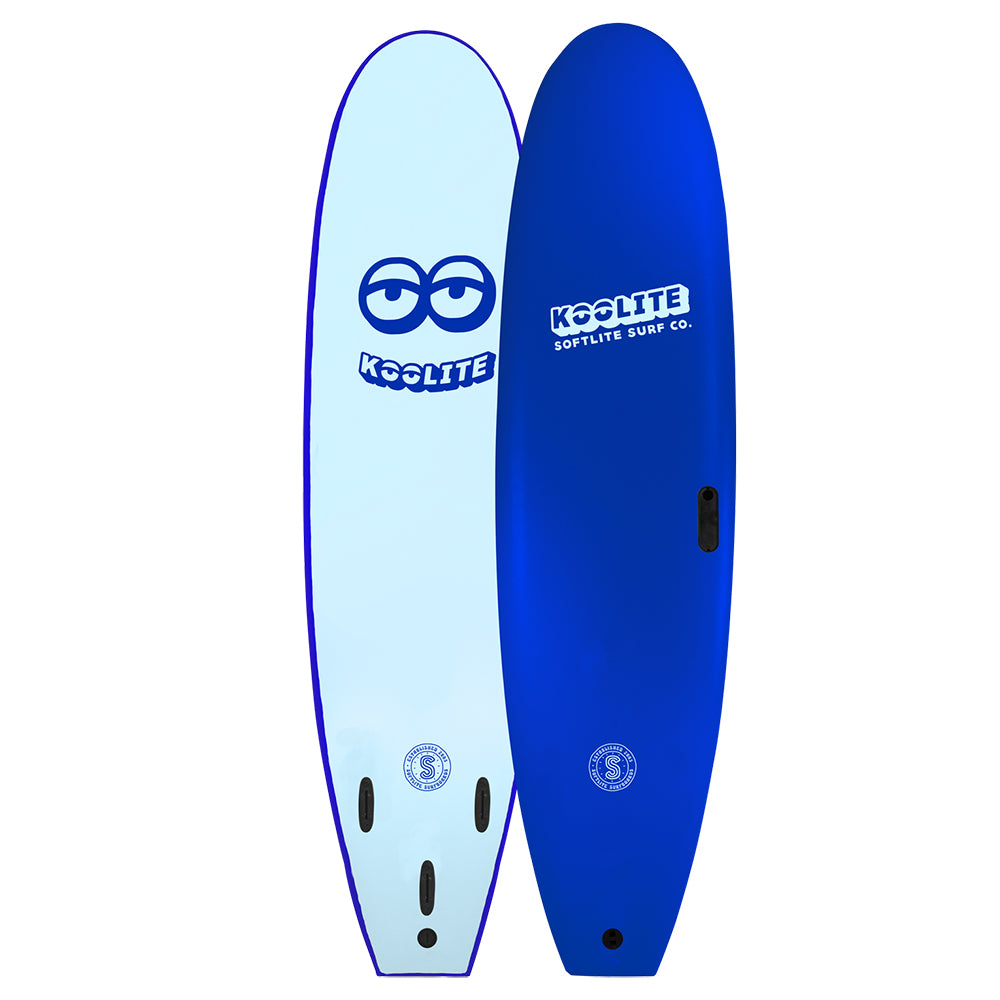
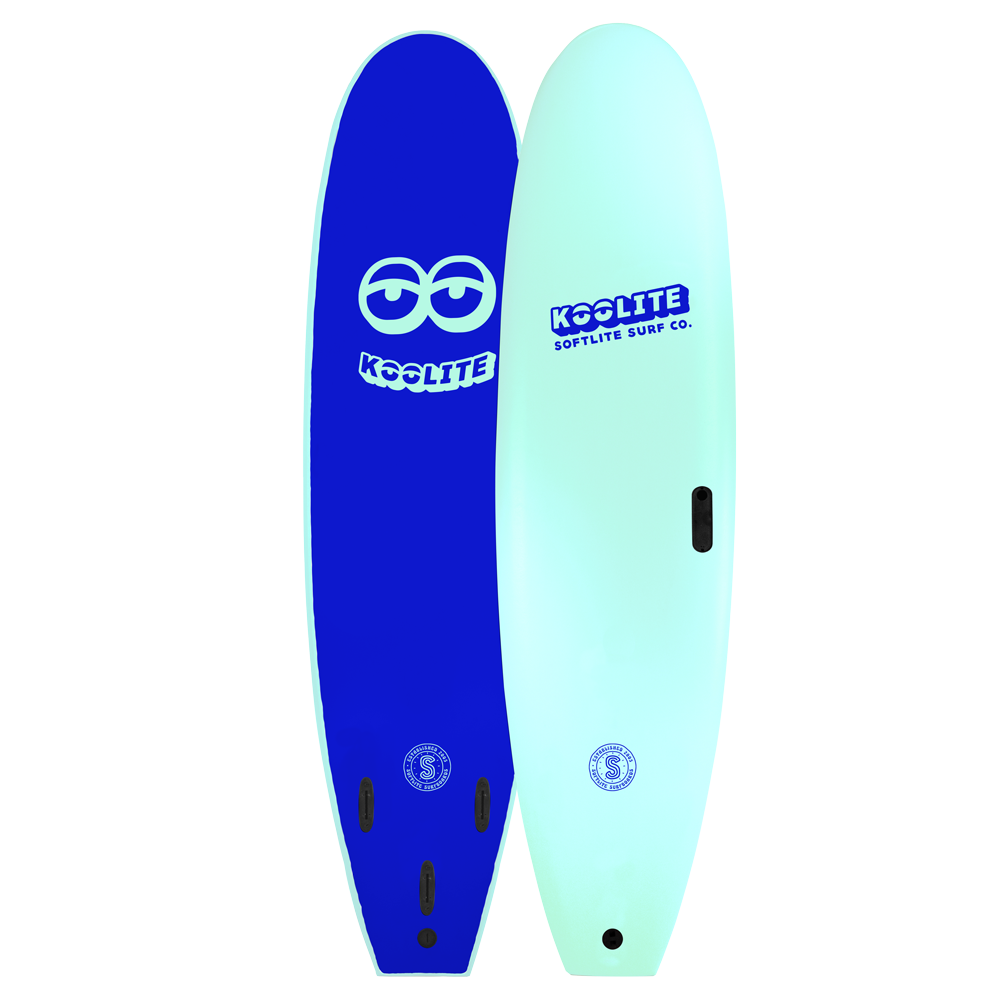
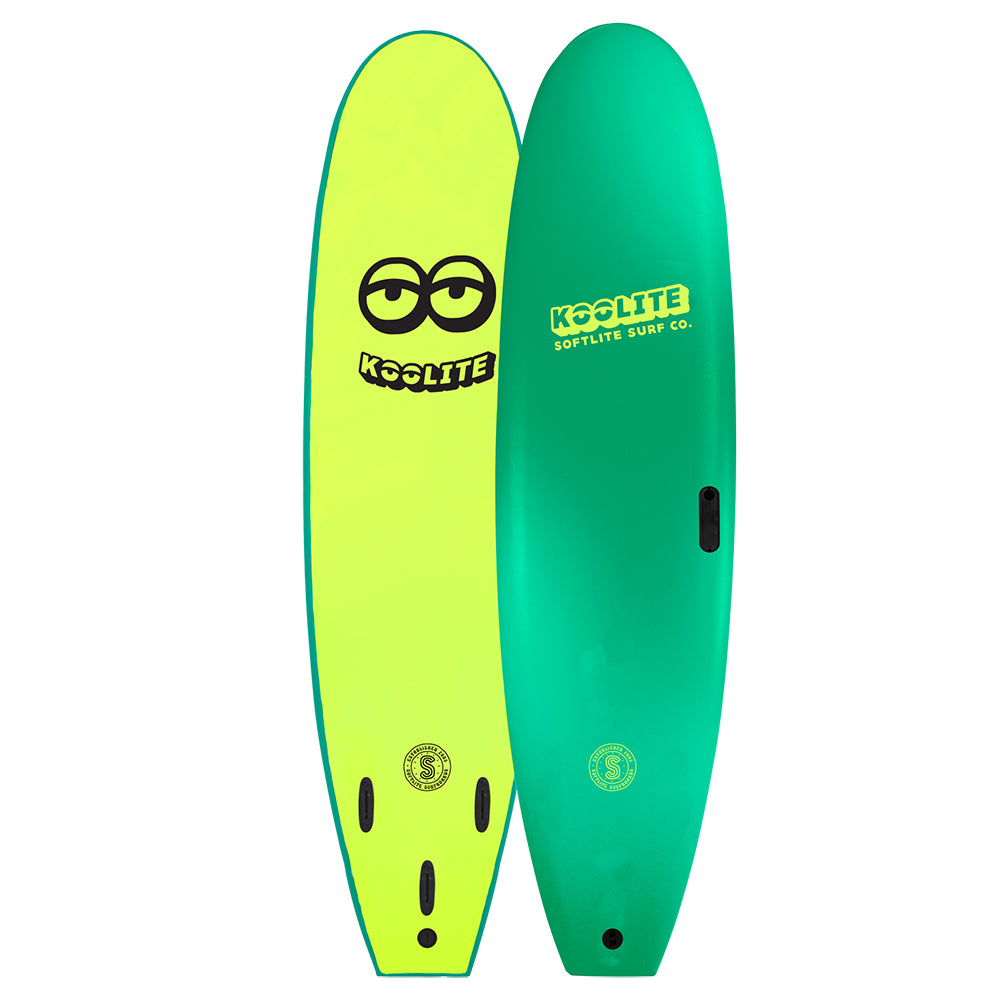
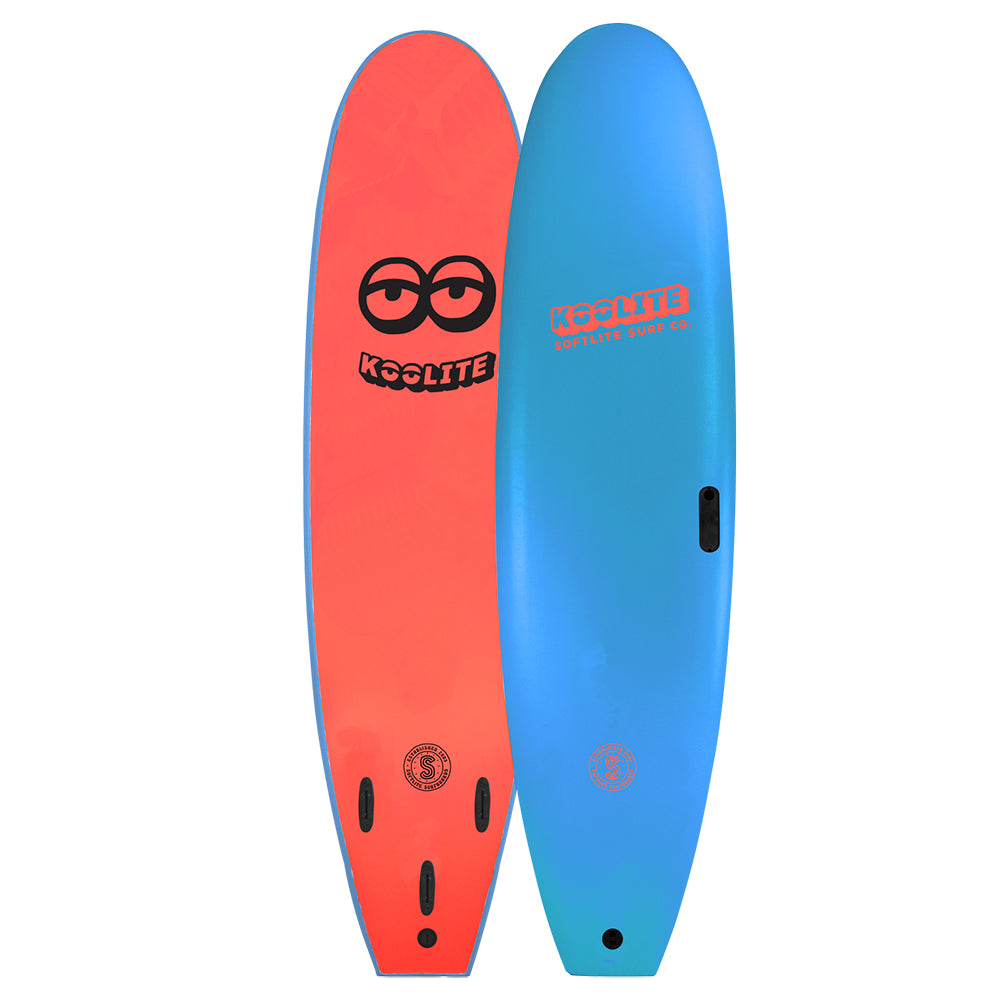
Above all it forgives errors of positioning and timing, where a short board punishes the slightest approximation. To learn fast, go for long, high-volume models, with a stable, predictable fin setup for small conditions. The right board to progress on is not the one that looks fastest on the beach, it is the one that gets you to your feet often. Have a look at our soft-tops or the beginner surfboards selection to find the volume that matches your weight.
Les erreurs qui coûtent des semaines
La plupart des débutants perdent du temps sans le savoir, en répétant les mêmes travers. Choisir un spot trop difficile en pensant que ça fera progresser plus vite est le plus fréquent : dans des vagues trop grosses, tu prends moins de vagues et tu apprends moins. Prendre une planche trop petite trop tôt produit exactement le même effet, avec en prime la motivation qui s’effrite.
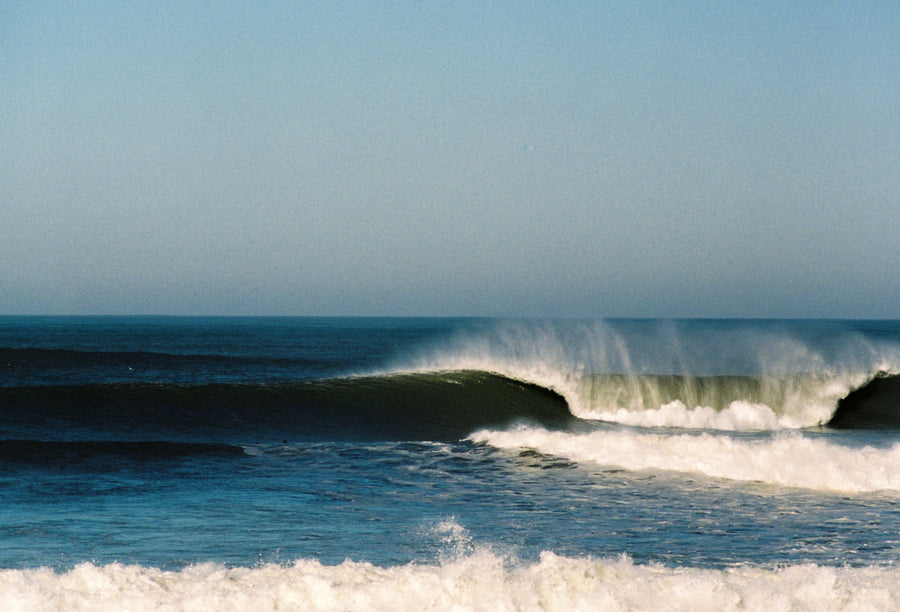
Neglecting paddling and positioning is more insidious, because those are the real foundations: without good paddling you cannot get into position, and without position you do not catch waves. Getting in the water without watching the sets leads to paddling in the wrong place and wearing yourself out for nothing. Finally, trying to learn everything at once, standing up, turning, going both ways, before a consistent pop-up is locked in, is building on sand.
Frequently asked questions
How long does it take to learn to surf?
First rides in the whitewater often come within one to three sessions. Standing up consistently takes five to ten sessions, and being self-sufficient in the water closer to ten to twenty, depending on frequency and conditions.
Does a soft-top really make you progress faster?
Yes, because it increases the number of waves you catch. More volume, more stability, more successful attempts, so more repetitions every session.
Do you need lessons to progress?
Not compulsory, but one or two lessons early on save a lot of time by fixing your pop-up and your positioning before they turn into habits.
When should you move from a soft-top to a hard board?
When your pop-up is reliable and you follow the shoulder of the wave instead of going straight. Before that, a more technical board will just mean fewer waves.
Can you progress surfing once a week?
Yes, but more slowly. Regularity beats intensity: two short sessions are worth more than one long one every fortnight.
The essentials
How long it takes depends mostly on how many waves you actually catch. Small waves, a forgiving spot, regular sessions, and a board with enough volume to multiply your take-offs. The rest follows on its own.
See the soft-topsGo further
Paddling
The engine of surfing: position on the board, arm stroke and rhythm. Read the guide
Reading waves
Watching the water, telling waves apart and picking the right one. Read the guide
Line-up etiquette
Where to sit and the right of way rules to respect in the water. Read the guide
Pop-up
The key move: going from lying down to standing on the board. Read the guide
Bottom turn
Your first manoeuvre: the turn at the bottom of the wave that gives you speed. Read the guide
Choosing your board
The volume, size and shape that suit your build and your level. Read the guide